Living with persistent pain is not just a physical struggle—it slowly affects your mood, energy, confidence, and even your ability to enjoy simple daily activities like walking, working, or sleeping comfortably. Many people in busy urban areas like Mumbai silently deal with long-term joint, muscle, or tendon pain, often assuming surgery is the only solution.
However, modern physiotherapy has changed this narrative. One of the most promising advancements in non-invasive treatment today is shockwave therapy in Mulund, a technique that is helping patients recover from chronic pain conditions without surgery, injections, or long-term medication dependence.
Mulund, especially Mulund West, has seen a rise in advanced physiotherapy and rehabilitation clinics offering this treatment, including centers located around Marathon Max Building and nearby healthcare hubs. These clinics are equipped with modern Extracorporeal Shockwave Therapy (ESWT) systems designed to support faster and more natural healing.
But what exactly makes this therapy so effective—and why are so many patients choosing it today?
Understanding Shockwave Therapy in Simple Terms
Shockwave therapy might sound complex, but the concept is surprisingly simple.
It uses high-energy sound waves that are directed into the body’s painful or injured areas. These waves travel through the skin and reach deeper tissues such as muscles, tendons, and ligaments.
Instead of masking pain like painkillers do, shockwave therapy focuses on triggering the body’s own healing response.
Think of it like restarting a “stuck” healing process. When an injury becomes chronic, the body sometimes slows down repair in that area. Shockwave therapy reactivates that process.
This is why it is widely used in sports medicine and physiotherapy clinics for long-term injuries that do not improve with rest alone.
How Shockwave Therapy Actually Works Inside the Body
To understand why shockwave therapy is so effective, it helps to break down what happens inside the body during treatment:
1. It Improves Blood Flow
Chronic injuries often suffer from poor blood circulation. Shockwaves stimulate new blood vessel formation, bringing oxygen and nutrients to the damaged tissue. This creates a healthier environment for healing.
2. It Activates Natural Repair Cells
The therapy encourages the activation of stem cells and growth factors that help regenerate tendons and soft tissues.
3. It Breaks Down Calcifications
In conditions like calcific shoulder tendinitis, calcium deposits form in tendons and restrict movement. Shockwave therapy helps break down these deposits gradually.
4. It Reduces Pain Signals
The therapy temporarily disrupts pain transmission pathways, giving patients relief even after the session ends.
In simple words, it helps the body “relearn” how to heal itself properly.
Conditions Commonly Treated with Shockwave Therapy in Mulund
One of the reasons shockwave therapy is becoming popular in Mulund is its versatility. It is not limited to one type of injury—it is used for several chronic pain conditions, including:
• Heel Pain (Plantar Fasciitis)
Many people who stand for long hours—teachers, nurses, retail workers—develop sharp heel pain. Shockwave therapy helps reduce inflammation and improve tissue repair in the heel.
• Tennis Elbow
Pain on the outer side of the elbow caused by repetitive movements like typing, lifting, or sports activities.
• Shoulder Pain and Stiffness
Especially due to calcific tendinitis, where calcium deposits restrict movement.
• Achilles Tendon Pain
Common among runners and active individuals due to overuse injuries.
• Knee Pain
Degenerative knee conditions or ligament strain respond well to combined physiotherapy and shockwave sessions.
• Back and Neck Muscle Tightness
Chronic muscle stiffness due to posture issues or sedentary lifestyles.
• Sports Injuries
Athletes use shockwave therapy for faster recovery and quicker return to training.
Clinics in Mulund often combine this therapy with stretching, strengthening exercises, and posture correction programs for long-term results.
What a Real Shockwave Therapy Session Feels Like
Many first-time patients feel anxious before their session because they are unsure what to expect. The experience is usually straightforward and well-controlled.
A typical session looks like this:
Step 1: Assessment and Diagnosis
The physiotherapist first understands your pain history and identifies the exact trigger points.
Step 2: Preparation
A gel is applied to the skin to help transmit the shockwaves smoothly.
Step 3: Treatment
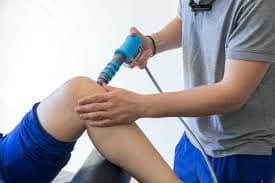
A handheld device is placed on the affected area. You may feel tapping or pulsing sensations. Some areas may feel mildly uncomfortable, especially if inflammation is present.
Step 4: Aftercare
Once the session is complete, you may be advised light stretching or simple movements.
Each session usually lasts 10–20 minutes, and most patients require around 3–6 sessions, depending on the condition.
Is Shockwave Therapy Painful? A Honest Answer
This is one of the most common questions patients ask.
The truth is: it is not painless, but it is very tolerable.
Some discomfort may be felt during treatment, especially in highly inflamed areas. However, the intensity is adjustable, and physiotherapists carefully control the energy level.
Most patients describe it as a “deep tapping sensation” rather than sharp pain.
After the session, mild soreness may occur for a day or two, similar to post-exercise muscle fatigue. This is actually a positive sign that the healing process has been activated.
Emotional Side of Chronic Pain: Why Treatment Matters
One often overlooked aspect of chronic pain is its emotional impact.
People suffering from long-term conditions often experience:
- Frustration from repeated failed treatments
- Anxiety about movement or worsening pain
- Reduced activity levels and fitness
- Sleep disturbances
- Dependence on pain medication
Shockwave therapy becomes more than just a physical treatment—it often restores confidence. Many patients report feeling hopeful again after noticing improvement in just a few sessions.
For someone who has been avoiding stairs, struggling to walk, or unable to enjoy sports, even small improvements can feel life-changing.
Why Mulund Is Becoming a Hub for Shockwave Therapy
Mulund has quietly developed into a strong healthcare zone in Mumbai. Its physiotherapy and rehabilitation clinics are increasingly adopting advanced technologies like ESWT, laser therapy, and digital movement analysis.
Clinics near areas such as Marathon Max Building, Mulund West, are known for offering structured rehabilitation programs that combine:
- Shockwave therapy
- Manual therapy
- Electrotherapy
- Exercise-based rehabilitation
- Posture correction training
For example, physiotherapy centers in this area, including clinics like Physiofit and similar rehabilitation setups, focus on combining technology with personalized care rather than one-size-fits-all treatment approaches.
Shockwave Therapy vs Traditional Treatment
Many patients wonder whether this therapy is better than conventional methods.
Here’s a simple comparison:
- Medication: Temporary relief but no long-term repair
- Injections: Useful but sometimes short-lived results
- Surgery: Effective but invasive and requires downtime
- Shockwave Therapy: Non-invasive, promotes natural healing, minimal downtime
This is why it is often recommended when other treatments fail.
Who Should Consider Shockwave Therapy?
This treatment is ideal for:
- People with pain lasting more than 3 months
- Individuals who have not responded to physiotherapy alone
- Athletes with recurring injuries
- Office workers with posture-related pain
- Patients who want to avoid surgery
However, it may not be suitable for pregnant women, people with certain nerve conditions, or those with active infections in the treatment area. A professional consultation is always necessary.
Cost and Accessibility in Mulund
The cost of shockwave therapy in Mulund varies depending on:
- Severity of the condition
- Number of sessions required
- Clinic expertise and equipment quality
While it may seem like an investment initially, many patients find it cost-effective in the long run because it reduces the need for repeated medications, scans, or invasive procedures.
A Simple Patient Story (Real-Life Inspired)
Ramesh, a 42-year-old office worker from Mulund West, struggled with heel pain for nearly a year. Walking even short distances became painful, and he started avoiding morning walks altogether.
After trying painkillers and basic physiotherapy with limited improvement, he was advised shockwave therapy. Initially hesitant, he decided to give it a try.
By the third session, he noticed reduced stiffness. After six sessions, he was able to walk comfortably again without sharp pain.
For him, the biggest relief was not just physical recovery—but getting back to his normal routine without fear of pain.
Final Thoughts
Shockwave therapy in Mulund represents a shift in how chronic pain is treated today. Instead of simply managing symptoms, it focuses on healing the root cause naturally and safely.
For people who have been struggling with long-term pain, limited mobility, or repeated treatment failures, this therapy offers a new direction—one that is non-invasive, modern, and increasingly effective.
Mulund’s growing physiotherapy ecosystem makes it easier than ever for patients to access this treatment and take a confident step toward a pain-free life.
If chronic pain has been holding you back, consulting a qualified physiotherapist in Mulund about shockwave therapy could be the turning point your body has been waiting for.