The Oura Ring has become one of the most popular smart wearables for health tracking, especially for sleep, recovery, and daily activity monitoring. Its compact design and advanced sensors make it appealing for users who want detailed health insights without wearing a bulky smartwatch.
However, like any smart device, it is not perfect. Many users report various Oura Ring problems that can affect performance, accuracy, or overall user experience. While most issues are not severe, they can still be frustrating, especially when the device is used for important health tracking.
In this article, we will explore the most common problems users face with the Oura Ring and explain simple ways to troubleshoot or understand them better.
Battery Life Problems
One of the most frequently reported issues is related to battery performance. Although the Oura Ring is designed to last several days on a single charge, some users notice that the battery drains faster than expected.
This problem can happen for several reasons. Continuous use of sensors such as heart rate monitoring, temperature tracking, and sleep analysis can consume more power. Software updates or background syncing may also increase battery usage temporarily.
In some cases, battery degradation over time is natural, especially if the device has been used for a long period. Users are advised to monitor charging habits and avoid leaving the ring on the charger for too long after it reaches full charge. Restarting the ring or updating the firmware can also help improve battery performance in some situations.
Syncing Issues with the App
Another common problem users experience is difficulty syncing the Oura Ring with the mobile app. Since the ring relies on Bluetooth connection, any interference or connection instability can lead to delayed or failed syncing.
Sometimes the data does not appear immediately, which can confuse users who expect real-time updates. This issue can be caused by outdated app versions, weak Bluetooth signals, or temporary server-side delays.
Restarting Bluetooth on the phone, reopening the app, or updating both the app and firmware often resolves the issue. Ensuring that the phone is close to the ring during syncing can also improve connection stability.
Sleep Tracking Inaccuracies
One of the main reasons people use the Oura Ring is for sleep tracking, but some users report inconsistencies in sleep data. For example, the ring may miscalculate sleep duration or incorrectly detect sleep stages.
These inaccuracies can happen due to movement during sleep, improper ring fit, or irregular sleep schedules. Since the device relies heavily on biometric signals, any disruption in sensor readings can affect the final results.
While the Oura Ring is generally accurate, it is not a medical-grade device. Small variations in data are normal, and users should focus on long-term trends rather than single-night results for better insights.
Comfort and Fit Issues
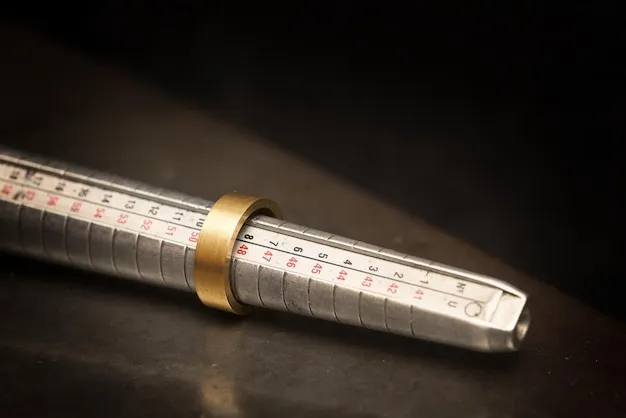
Although the Oura Ring is designed to be lightweight and comfortable, not all users find it perfect for daily wear. Some people experience discomfort if the ring size is not correctly chosen or if the ring is worn on the wrong finger.
Because the ring contains sensors, it is slightly thicker than a normal ring, which can take time to get used to. In some cases, users may feel irritation or pressure, especially during physical activities or sleep.
Choosing the correct size is essential to avoid these issues. It is also recommended to wear the ring on a finger that feels most natural and least restrictive.
Sensor and Tracking Limitations
The Oura Ring uses advanced sensors to track heart rate, temperature, and movement, but it still has limitations. For example, intense workouts involving rapid hand movement may sometimes result in less accurate readings.
Water activities or extreme temperature conditions can also temporarily affect sensor performance. While the ring is water-resistant, prolonged exposure to harsh environments may impact data accuracy.
It is important to understand that wearable devices are designed for general health tracking rather than precise clinical measurements. Therefore, minor inconsistencies are expected.
Software Bugs and Update Problems
Some users experience issues after software updates, such as app crashes, missing data, or unexpected changes in interface design. These problems are usually temporary and are resolved in subsequent updates.
However, during the transition period, users may feel that the device is not functioning properly. Clearing cache, reinstalling the app, or waiting for a patch update often resolves these issues.
Keeping the app and firmware updated is still important because updates usually improve performance and fix previous bugs.
Charging Problems
Charging issues are also reported by some users, such as the ring not charging properly or taking longer than usual to reach full battery. This can be caused by misalignment on the charging dock, dust on the contact points, or faulty cables.
In many cases, cleaning the charging contacts and ensuring proper placement on the charger solves the problem. If the issue continues, restarting the device or trying a different power source may help.
Data Privacy and Subscription Concerns
While not a technical issue, some users express concerns about data privacy and subscription requirements. The Oura Ring requires a subscription for full access to detailed insights, which can be frustrating for some users expecting all features to be included.
Additionally, users are sometimes cautious about how their health data is stored and used. Oura states that data security is a priority, but privacy concerns remain a topic of discussion among users.
Understanding the subscription model before purchasing can help avoid disappointment later.
How to Reduce Oura Ring Problems
Most issues with the Oura Ring can be reduced by following best practices. Keeping the firmware and app updated ensures smoother performance and fewer bugs. Proper ring sizing also plays a major role in accurate tracking and comfort.
Regularly cleaning the ring and charging contacts helps maintain hardware performance. Additionally, using the ring consistently on the same finger improves tracking accuracy over time.
It is also important to manage expectations. The Oura Ring is a powerful health tracker, but it is not a medical device, so small variations in data are normal.
Conclusion
The Oura Ring is a highly advanced wearable that offers valuable insights into sleep, activity, and overall health. However, like all technology, it comes with certain limitations and occasional problems.
Most Oura Ring problems such as battery drain, syncing issues, sleep tracking inaccuracies, and charging difficulties can be resolved with simple troubleshooting steps. Understanding these issues helps users get the most out of their device and avoid unnecessary frustration.
Overall, when used correctly, the Oura Ring remains one of the most effective health tracking devices available today, despite its minor challenges.