Head and neck cancer is becoming increasingly common across the world, especially in countries like India where tobacco and alcohol use remain high. These cancers can affect the mouth, tongue, throat, voice box, sinuses, and salivary glands. Many cases are preventable with the right lifestyle habits and early medical attention.
People often ignore early warning signs such as mouth ulcers, throat pain, difficulty swallowing, or neck swelling. Delayed diagnosis can lead to advanced disease and the need for complex Head & Neck cancer Surgery and aggressive treatment.
The good news is that prevention plays a major role in reducing risk. Small lifestyle changes can protect your health and lower your chances of developing cancer in the future.
Avoid Tobacco in Every Form
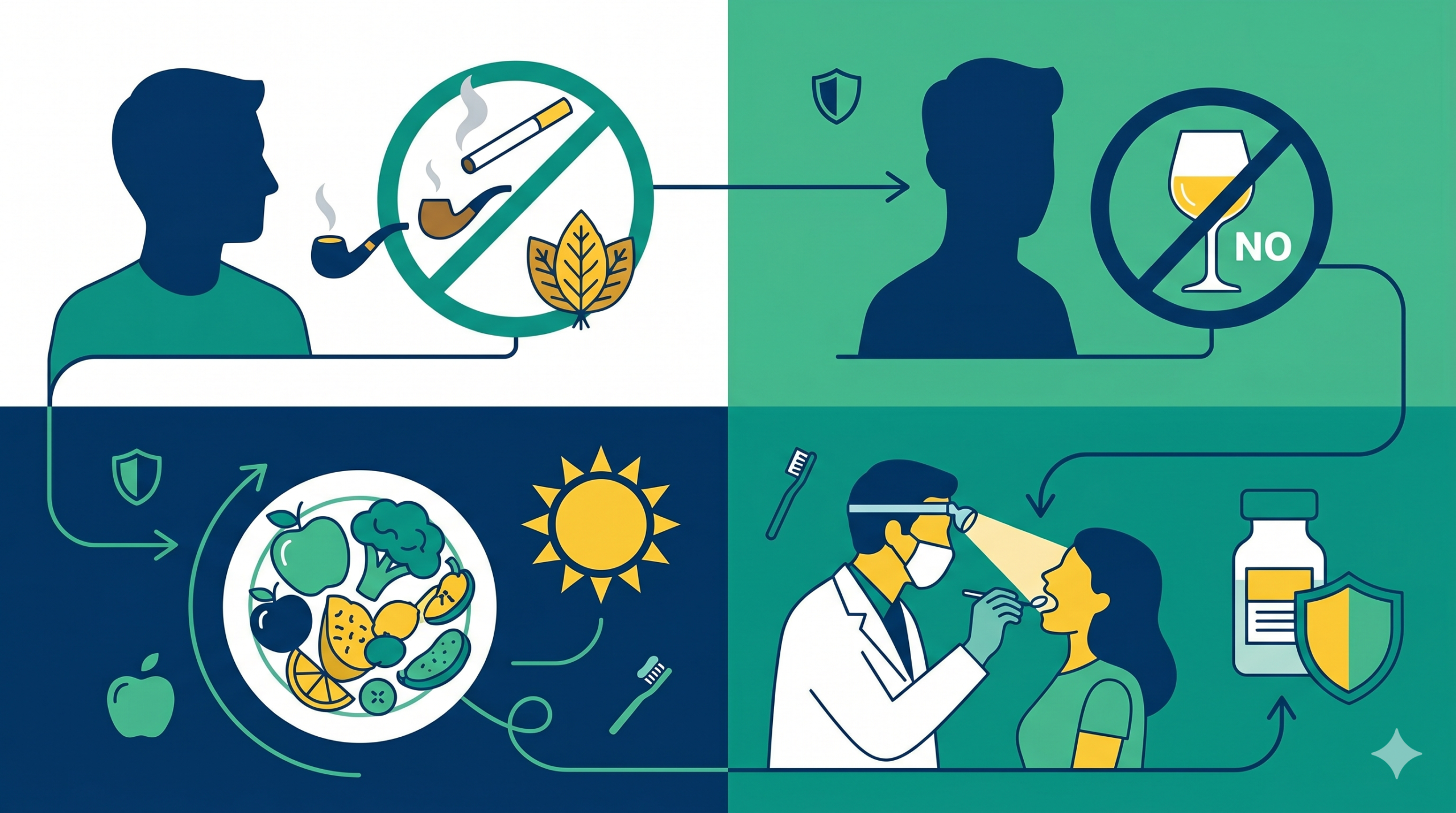
Tobacco is the leading cause of head and neck cancers. Smoking cigarettes, bidis, cigars, or using chewing tobacco damages the cells inside the mouth and throat.
Gutka, khaini, pan masala, and other smokeless tobacco products are especially dangerous. They directly affect the lining of the mouth and significantly increase oral cancer risk.
People who use tobacco for many years often develop white patches, restricted mouth opening, or non-healing ulcers. These changes should never be ignored.
Quitting tobacco at any stage improves health. It also reduces the chances of requiring Head & Neck cancer Surgery later in life.
Limit Alcohol Consumption
Heavy alcohol intake also increases the risk of cancer in the mouth and throat. Alcohol irritates tissues and weakens the body’s natural defense system.
The risk becomes even higher when alcohol and tobacco are used together. This combination creates a strong cancer-causing effect inside the oral cavity.
Reducing alcohol consumption helps protect the throat, voice box, and food pipe. People with a family history of cancer should be extra careful.
Maintain Good Oral Hygiene
Poor oral hygiene may contribute to long-term irritation inside the mouth. Broken teeth, gum infections, and poor-fitting dentures can damage oral tissues over time.
Brush your teeth twice daily and visit a dentist regularly. Dental checkups help identify suspicious lesions early.
Regular oral examinations can detect abnormalities before they become serious. Early diagnosis often prevents extensive Head & Neck cancer Surgery and complicated treatment.
Eat a Healthy and Balanced Diet
Diet plays an important role in cancer prevention. Fresh fruits and vegetables contain antioxidants that protect cells from damage.
Include foods rich in vitamins A, C, and E. Green leafy vegetables, citrus fruits, carrots, tomatoes, and berries are beneficial.
Avoid processed foods and excessive junk food intake. High-fat and low-nutrient diets may weaken the immune system.
Drinking enough water also helps maintain healthy tissues in the mouth and throat.
Protect Yourself from HPV Infection
Human Papillomavirus (HPV) is now linked to many throat cancers. HPV-related cancers are increasing, especially among younger adults.
The virus spreads mainly through intimate contact. Safe practices and awareness are important for prevention.
HPV vaccination can reduce the risk of several cancers. Vaccination is recommended for both boys and girls at an early age.
Awareness about HPV is essential because many people do not realize it can affect the throat and oral region.
Avoid Exposure to Harmful Chemicals
Certain chemicals and industrial dust can increase cancer risk. Workers exposed to asbestos, wood dust, nickel, paint fumes, and formaldehyde may develop cancers in the nasal cavity or throat.
People working in factories or construction environments should use proper protective equipment. Masks and ventilation systems can reduce harmful exposure.
Regular health screenings are important for individuals working in high-risk occupations.
Do Not Ignore Persistent Symptoms
Many people delay medical consultation because they assume symptoms are minor. This can lead to late diagnosis.
Persistent mouth ulcers, difficulty swallowing, voice changes, bleeding, ear pain, or neck lumps should be evaluated immediately.
Cancer detected in the early stage is easier to treat. It often requires less extensive treatment and offers better recovery rates.
Timely intervention may reduce the need for aggressive Head & Neck cancer Surgery, radiation, or chemotherapy.
Schedule Regular Health Checkups
Routine medical checkups help identify health problems before symptoms become severe. High-risk individuals should undergo regular oral and throat examinations.
People who smoke, chew tobacco, consume alcohol heavily, or have a family history of cancer should not skip screening visits.
Doctors can identify precancerous conditions early and begin treatment immediately.
Early-stage cancers usually have higher survival rates and better treatment outcomes.
Maintain a Strong Immune System
A healthy immune system helps the body fight infections and abnormal cell growth. Lack of sleep, stress, and poor nutrition can weaken immunity.
Exercise regularly and maintain a healthy body weight. Physical activity improves overall health and supports immune function.
Manage stress through meditation, yoga, or relaxation techniques. Long-term stress can negatively affect the body.
Good sleep also plays an important role in tissue repair and overall wellness.
Avoid Secondhand Smoke
Passive smoking can also increase cancer risk. Continuous exposure to cigarette smoke harms the respiratory tract and oral tissues.
Children and family members living with smokers may also face long-term health risks.
Creating a smoke-free home and workplace environment protects everyone’s health.
Understand Family History and Genetic Risk
Some individuals may have a higher cancer risk because of family history. Genetic factors can increase susceptibility to certain cancers.
If multiple family members have experienced cancer, discuss this with a healthcare professional.
Regular monitoring and early screening become even more important in such cases.
Reduce Sun Exposure for Lip Cancer Prevention
Excessive sunlight exposure can increase the risk of lip cancer. People working outdoors should protect their lips and skin.
Use lip balm with SPF and wear wide-brimmed hats when outdoors for long periods.
Sun protection is a simple but effective preventive measure.
Importance of Early Detection
Early detection saves lives. Many head and neck cancers begin with mild symptoms that people ignore.
Routine screening allows doctors to identify suspicious changes before they spread.
When diagnosed early, treatment becomes less aggressive and recovery improves significantly.
Advanced cancers may require complex Head & Neck cancer Surgery, reconstruction procedures, and long-term rehabilitation.
Role of Awareness in Prevention
Public awareness is one of the strongest tools against cancer. Many people still lack knowledge about oral cancer symptoms and risk factors.
Educational campaigns, school programs, and regular screenings can improve early diagnosis rates.
People should encourage family members and friends to quit tobacco and seek medical advice for suspicious symptoms.
Community awareness can help reduce cancer-related deaths in the long run.
When to Consult a Specialist
Consult a specialist if symptoms last more than two weeks. Delayed treatment can allow cancer to spread to nearby tissues and lymph nodes.
Specialists evaluate symptoms through physical examination, scans, and biopsy when necessary.
Accurate diagnosis helps determine the best treatment approach.
Some patients may only need minor procedures if cancer is detected early. Others may require extensive Head & Neck cancer Surgery combined with radiation or chemotherapy.
Final Thoughts
Head and neck cancer prevention starts with healthy choices and regular medical care. Avoiding tobacco, limiting alcohol, maintaining oral hygiene, and recognizing early symptoms can make a major difference.
Simple preventive steps can lower cancer risk and improve long-term health. Early diagnosis remains the key to successful treatment and recovery.
People should never ignore persistent oral or throat symptoms. Timely consultation with a cancer specialist can prevent complications and improve survival outcomes.
Awareness, lifestyle changes, and routine screenings together offer the best defense against head and neck cancers.