Most business owners never think a fire will happen inside their building.
That is usually the first mistake.
Everything feels normal until one small problem changes the entire situation. A loose electrical wire. An overheated machine. A kitchen flame left unattended for a few minutes. In many cases, fires begin with ordinary things people ignore every day.
A warehouse owner in Karachi shared how a minor electrical spark nearly destroyed years of hard work. The building had extinguishers hanging near the entrance, but nobody had checked them properly for a long time. When smoke started spreading through the storage area, workers panicked because they did not know which extinguisher to use or whether the equipment still worked.
Thankfully, the fire stayed under control before it spread further. But the experience changed how the owner looked at safety forever.
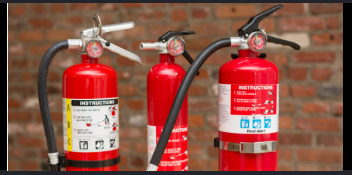
This is one reason businesses now pay closer attention to proper Fire Safety Equipment Installation. Offices, restaurants, factories, shopping areas, and warehouses all deal with risks that can turn dangerous very quickly if safety systems are poorly planned.
The reality is simple. Fire safety is not only about following rules anymore. Businesses want to protect employees, customers, equipment, inventory, and operations before an emergency happens.
Why Fire Risks Are Growing in Commercial Buildings
Commercial buildings today depend heavily on electricity and machinery. Offices run computers and air conditioners throughout the day. Restaurants operate around heat, gas lines, and cooking oil continuously. Factories use machinery that generates heat for long hours without stopping.
Now combine all of that with overloaded wiring, poor maintenance, crowded storage spaces, and old electrical systems. The risk becomes obvious.
In many buildings, people become so used to minor electrical issues that they stop noticing them completely. Flickering lights, burning smells, overloaded extension boards, and overheated generators slowly become “normal.”
Unfortunately, that is often how serious incidents begin.
Another issue is poor planning. Some businesses install extinguishers only because inspections require them. Others place equipment where nobody can reach it quickly during emergencies. Sometimes alarms stop working months after installation because maintenance never happens.
Professional installation solves these problems by planning the entire system properly from the beginning instead of treating safety like a last-minute requirement.
Common Fire Hazards Businesses Often Ignore
A lot of workplace fire risks look harmless in the beginning.
- Loose Electrical Wiring
Damaged wires can create sparks behind walls or machinery. - Overloaded Power Boards
Too many connected devices increase overheating risks. - Kitchen Oil Fires
Restaurants and cafés face this problem regularly. - Generator Overheating
Long operating hours create excessive heat buildup. - Poor Chemical Storage
Flammable liquids stored carelessly become dangerous quickly. - Blocked Emergency Exits
Cluttered pathways slow evacuation during emergencies. - Unmaintained Equipment
Old machinery and faulty systems increase operational risks.
The dangerous part is that most businesses continue operating around these problems for months or even years without realizing how risky the environment has become.
Why Professional Installation Matters More Than People Think
Some business owners believe buying safety equipment is enough.
It is not.
An extinguisher placed too far away may become useless during panic. Smoke detectors installed in the wrong areas may react too late. Emergency exits blocked by storage boxes create confusion during evacuation.
This is why professional installation makes such a big difference.
- Correct Equipment Placement
Safety systems stay accessible during emergencies. - Building Risk Assessment
High-risk areas receive stronger protection coverage. - Proper Alarm Connection
Detection systems work together effectively. - Reduced Installation Mistakes
Professional setup improves reliability. - Faster Fire Detection
Early alerts reduce fire spread. - Improved Workplace Confidence
Employees feel safer inside protected buildings. - Long-Term System Performance
Proper installation improves durability over time.
Professional installation focuses on practical protection, not just appearance or inspection requirements.
Different Fire Safety Systems Businesses Commonly Use
Every building has different operational risks, which means safety systems also vary depending on the environment.
- Fire Alarm Systems
Detect heat or smoke and alert occupants quickly. - Portable Fire Extinguishers
Help control smaller fires during early stages. - Hydrant Systems
Commonly installed in larger commercial buildings. - Sprinkler Systems
Activate automatically during emergencies. - Suppression Systems
Often used in kitchens and industrial machinery areas. - Smoke Detection Equipment
Provides earlier warning before fire spreads. - Emergency Exit Lighting
Helps guide people during evacuation.
Choosing the right system depends on building size, operational activity, and the type of fire risks present inside the property.
Why Cheap Fire Safety Decisions Become Expensive Later
Many businesses focus only on installation costs in the beginning.
That usually becomes a problem later.
A single fire can damage machinery, stock, furniture, computers, documents, wiring, and infrastructure within minutes. Businesses may also lose customer trust and operational time during repairs.
This is why experienced companies now compare quality and reliability instead of checking only the fire fighting system price before purchasing equipment.
Cheap alarms often fail early. Low-quality extinguishers may not work properly during emergencies. Poor installation creates gaps in protection that businesses only notice after damage already happens.
Reliable fire safety systems usually cost more initially, but they reduce larger financial losses later.
Insurance companies also pay attention to professional safety planning. Businesses with proper systems and maintenance records generally face fewer complications during inspections and claims.
Warning Signs Your Workplace Needs Better Fire Protection
Some buildings already show clear signs that safety improvements are overdue.
- Frequent Burning Smells
Electrical overheating should never feel normal. - Expired Fire Extinguishers
Old equipment may fail completely. - No Emergency Drill Practice
Employees panic more easily without preparation. - Blocked Escape Routes
Delayed evacuation increases danger. - Overheated Machinery
Excessive heat usually indicates maintenance issues. - Missing Smoke Alarms
Delayed detection allows fires to spread faster. - Loose Electrical Connections
Flickering lights and sparks should always be inspected.
Most businesses already notice these problems. The issue is delaying action because everything still “seems fine.”
Why Employee Training Is Just as Important
Good equipment helps, but people still need to know what to do during emergencies.
- Faster Reactions
Trained employees respond more calmly. - Correct Equipment Usage
Workers understand extinguisher handling properly. - Safer Evacuations
Employees know emergency exit procedures. - Reduced Panic
Preparation improves confidence. - Better Workplace Awareness
Staff notice hazards earlier. - Improved Coordination
Teams respond more effectively together. - Lower Injury Risks
Organized workplaces handle emergencies better.
Training should feel practical and realistic instead of only formal.
Why Maintenance Cannot Be Ignored
One of the biggest mistakes businesses make is installing systems and forgetting about them afterward.
Extinguishers lose pressure. Alarm systems stop working. Emergency lights fail. Sprinklers require inspections. Without maintenance, businesses often assume everything still works when it actually does not.
Routine servicing helps identify faults before emergencies happen.
The truth is simple. Nobody wants to discover faulty equipment during an actual fire.
Common Fire Safety Mistakes Businesses Make
A lot of workplace safety problems begin with avoidable decisions.
- Buying Low-Quality Equipment
Cheap systems create reliability issues later. - Ignoring Maintenance Checks
Unserviced equipment becomes risky over time. - Blocking Emergency Exits
Cluttered pathways slow evacuation. - Skipping Employee Training
Panic increases during emergencies. - Overloading Electrical Systems
Excessive usage creates overheating risks. - Using Incorrect Extinguisher Types
Different fires require different equipment. - Delaying Safety Upgrades
Small problems often become serious later.
Avoiding these mistakes improves workplace safety immediately.
Choosing the Right Fire Safety Installation Company
Not every installation company provides the same level of planning or support.
- Check Industry Experience
Experienced companies understand operational risks better. - Review Equipment Standards
Reliable products improve long-term safety. - Ask About Maintenance Support
Ongoing servicing matters after installation. - Compare Different Solutions
Every building requires different protection systems. - Look for Technical Expertise
Proper setup reduces future problems. - Check Emergency Support Availability
Quick assistance matters during urgent situations. - Focus on Reliability
Durable systems reduce long-term costs and risks.
A professional company helps businesses prepare properly instead of reacting after damage already happens.
| Feature | Offices | Restaurants | Warehouses | Factories | Shopping Areas |
|---|---|---|---|---|---|
| Main Fire Risk | Electrical overload | Kitchen fires | Stored materials | Machinery heat | Mixed risks |
| Recommended System | CO2 & alarms | Wet chemical systems | Hydrant systems | Suppression systems | Integrated systems |
| Inspection Need | Quarterly | Monthly | Quarterly | Monthly | Quarterly |
| Training Requirement | Basic drills | Kitchen safety | Storage handling | Industrial drills | Evacuation drills |
| Risk Level | Medium | High | High | Very High | High |
Frequently Asked Questions
1. Why is professional fire safety installation important?
Professional installation improves safety coverage, equipment reliability, and emergency response during fire incidents.
2. How often should fire systems be serviced?
Most systems require inspections and maintenance regularly according to manufacturer guidelines.
3. Which businesses need advanced fire protection systems?
Factories, warehouses, restaurants, malls, and commercial buildings usually require stronger protection systems.
4. Why is employee training necessary?
Training helps employees respond calmly and use safety equipment correctly during emergencies.
5. Does proper installation reduce business losses?
Yes. Reliable fire safety systems help reduce property damage, downtime, and operational disruption.
Final Thoughts
Many businesses only start taking fire safety seriously after seeing damage happen nearby. Unfortunately, by then, the risks become much easier to understand.
Commercial buildings deal with electrical systems, machinery, generators, kitchens, fuel, and storage materials every single day. Without proper planning, even a small problem can quickly become a serious emergency.
Professional installation helps businesses prepare before those situations happen. Reliable alarms, maintained extinguishers, proper system placement, trained employees, and regular inspections all improve workplace safety significantly.
Good fire protection is not only about passing inspections. It is about protecting employees, customers, operations, and years of hard work from avoidable loss.