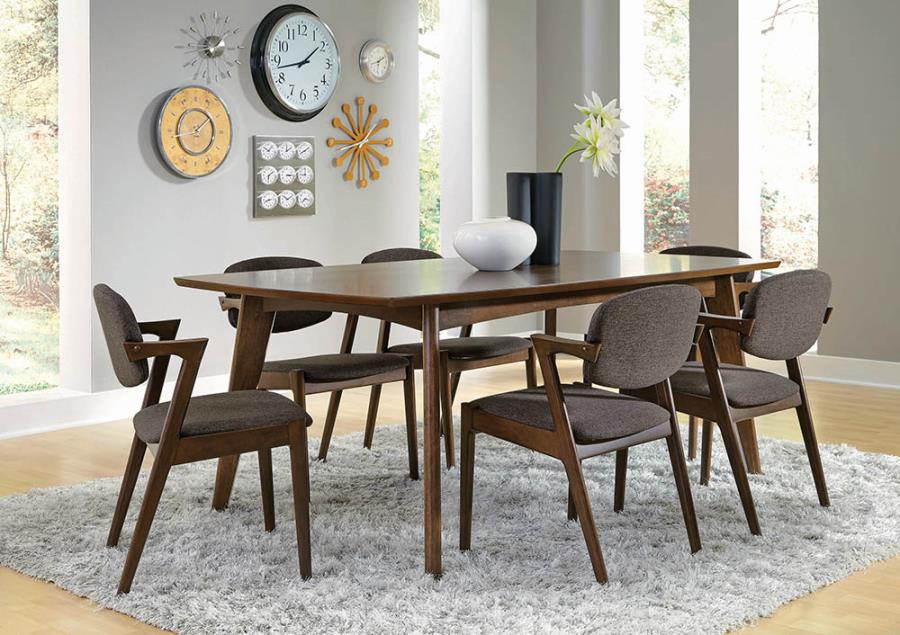
Mid-century design has returned strongly in modern American homes, but not all pieces labeled as retro are truly authentic. Many buyers struggle to separate original design principles from mass-produced replicas. This confusion has grown as demand for nostalgic interiors continues to rise across the US housing and furniture market. The appeal of mid-century dining furniture comes from its balance of simplicity, structure, and function.
However, the problem is that many modern versions lose the original design logic, focusing only on appearance. According to Statista, the US furniture market is valued at over $280 billion, with a large share influenced by retro and mid-century modern furniture trends. This creates frustration for homeowners who invest in pieces that look right but fail in material integrity or proportion.
The agitation comes from wasted spending and interiors that feel visually inconsistent despite following popular design trends. The solution lies in understanding the core design language behind mid-century dining furniture, including wood selection, tapered legs, and organic shapes. Once these elements are understood, identifying genuine quality becomes much easier and more practical.
Wood as the foundation of authentic design
Wood selection is one of the strongest indicators of authenticity in mid-century dining furniture. Original designs from the mid-20th century often used walnut, teak, and oak because these materials offered durability while maintaining a clean visual texture. These woods also age well, developing character over time rather than degrading quickly. In modern reproductions, engineered wood and veneers are often used to reduce cost. While these materials can look similar initially, they rarely provide the same structural depth or long-term stability.
This is where many buyers misunderstand quality versus appearance in mid-century dining furniture. In the US market, companies like Knoll have maintained a strong reputation for using high-quality wood and respecting original design principles. Their approach reflects how material choice directly impacts long-term product value. From personal observation in showroom visits, solid wood pieces always feel more grounded and balanced compared to lighter composite alternatives.
This difference is subtle at first but becomes obvious after regular use in dining environments. Interestingly, mid-century modern furniture continues to influence how manufacturers approach wood finishing, especially in dining tables and chairs. The emphasis remains on visible grain, natural tone, and structural clarity rather than decorative layering.
Tapered legs and structural balance in design
Tapered legs are one of the most recognizable features of mid-century dining furniture. This design choice was not only aesthetic but also structural, reducing visual weight while maintaining strength and stability. It gives furniture a lifted appearance, making spaces feel more open and less cluttered. The problem today is that many replicas exaggerate this feature without maintaining proper engineering balance.
As a result, chairs and tables may look correct but feel unstable or poorly grounded in real use. This creates a disconnect between visual expectation and physical performance. In authentic mid-century modern furniture, tapered legs are carefully proportioned to distribute weight evenly. Designers like Charles and Ray Eames originally emphasized this balance, ensuring that form never compromised function.
The agitation comes when buyers invest in visually appealing sets that wobble or wear unevenly over time. This is especially common in mass-market imports that prioritize style over structural accuracy. Mid-century dining furniture relies heavily on this leg structure to maintain its identity. Without correctly executed tapering, the design loses both its historical relevance and functional reliability.
Organic shapes and the human-centered design approach
Organic shapes are another defining element of authentic mid-century design. Unlike rigid geometric furniture styles, mid-century design introduced softer curves and flowing forms inspired by nature and human movement. This made dining spaces feel more comfortable and less formal. The issue today is that many modern reproductions treat curves as decoration rather than functional design. This results in pieces that look soft but do not support ergonomic use.
Dining chairs, for example, often fail to match natural seating posture when shape is prioritized over structure. Mid-century dining furniture originally focused on the relationship between the human body and the object. This is why curves were introduced in chair backs and table edges, not as aesthetic additions but as functional improvements. In modern interiors, this principle still applies.
Many designers working with mid-century modern furniture continue to prioritize ergonomic flow, especially in open-plan kitchens and dining areas across US homes. Even smaller design pieces reinforce this concept. Dining setups often include mid-century modern furniture elements that maintain consistent curvature and proportion, ensuring visual and physical harmony across the space.
Case study: US design brands and manufacturing standards
The US furniture industry has played a major role in preserving mid-century design principles. Companies such as Herman Miller have consistently produced pieces that reflect original mid-century construction logic while adapting to modern manufacturing needs. Herman Miller’s collaborations with designers like George Nelson helped define what authentic mid-century dining furniture should look and feel like. Their products emphasized modular construction, durable materials, and functional simplicity.
Another important example is Knoll, which continues to produce designs based on original mid-century modern furniture principles. Their approach focuses on maintaining design integrity while improving material efficiency and sustainability. In the US market, these companies set a benchmark that many smaller manufacturers struggle to match.
According to industry reports, premium furniture brands that follow original design frameworks often have 20–30% higher customer retention rates due to long-term durability and design satisfaction. Mid-century dining furniture produced under these standards tends to perform better in both residential and commercial environments, especially in hospitality spaces where durability is critical.
Market trends, buying mistakes, and consumer behavior in the US
The US furniture market continues to expand, with strong demand for retro-inspired interiors. However, not all consumer choices align with design authenticity. Many buyers prioritize appearance over structural quality, leading to frequent replacement cycles. One common mistake is assuming that all mid-century modern furniture is inherently high quality. In reality, many products only replicate visual elements without respecting original material and structural standards.
According to the US Bureau of Labor Statistics, household spending on furniture and furnishings continues to grow steadily each year, reflecting ongoing investment in home design. However, a significant portion of this spending goes toward replacement rather than long-term use. Mid-century dining furniture is often at the center of this issue because dining sets are high-use items. Poorly made replicas tend to show wear quickly, especially at joints and seating surfaces.
From personal experience in furniture retail environments, customers often return within a year after realizing that cheaper alternatives do not maintain stability or finish quality. This highlights the importance of understanding design fundamentals before purchase. Mid-century modern furniture continues to be popular, but informed selection is essential to avoid repetitive buying mistakes that increase long-term costs.
Conclusion
Authentic design is not defined by appearance alone but by how materials, structure, and form work together. Mid-century dining furniture remains one of the most influential design categories in modern American interiors because it combines function with clear visual identity.
When wood selection, tapered legs, and organic shapes are properly understood, identifying quality becomes much easier. These elements are not decorative choices but structural principles that define the entire design language. The continued popularity of mid-century modern furniture shows that this design philosophy still resonates strongly with today’s homeowners. However, maintaining awareness of authenticity is essential to avoid low-quality reproductions.
Ultimately, mid-century dining furniture represents more than a style. It reflects a design mindset focused on balance, usability, and long-term value, making it one of the most practical and enduring choices for modern homes in the US.