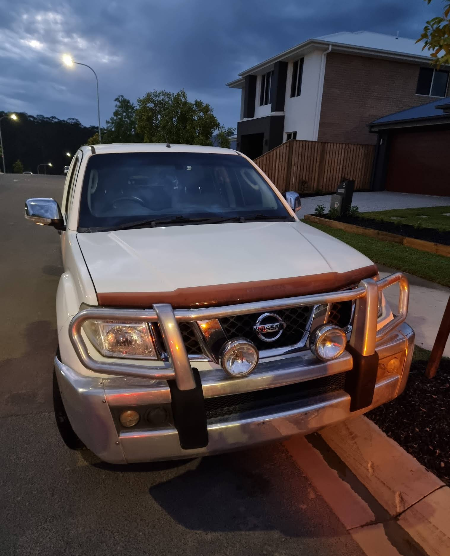
Recycling old vehicles plays a key role in protecting the environment and public health. Many cars reach a stage where repairs no longer make sense. These vehicles still contain materials that can be reused or recycled. When handled the right way, vehicle recycling reduces waste, saves raw resources, and keeps harmful substances out of soil and water. In Brisbane, where car ownership is high, safe recycling methods matter even more.
We explains how old vehicles are recycled safely, why this process matters, and what steps are involved. The focus stays on responsible recycling practices that follow Australian rules and suit local conditions.
Visit: https://www.cashforallcarbrands.com.au/
Why Old Vehicles Need Safe Recycling
Old cars do not just disappear when left unused. They can leak oil, fuel, brake fluid, and coolant. These liquids contain chemicals that damage land and waterways. Batteries may release acid. Tyres break down over time and add to pollution.
Australia sends millions of vehicles to recycling yards each year. According to industry data, around 80 percent of a car can be recycled when processed properly. Steel, aluminium, copper, and plastics all have reuse potential. Safe recycling keeps these materials in circulation and reduces the need for mining and new production.
In Brisbane, heat and rain speed up rust and fluid leaks. This makes proper handling even more important. Leaving a car in a yard or on a street can create risks for people and animals.
Legal Rules for Vehicle Recycling in Queensland
Vehicle recycling in Queensland follows strict laws. These rules control how vehicles are collected, stored, dismantled, and disposed of. Operators must hold licences that allow them to deal with scrap vehicles. Records of each vehicle must be kept to prevent theft and illegal dumping.
The Department of Environment, Science and Innovation sets standards for waste handling. These standards cover fluid drainage, storage of parts, and disposal of non recyclable waste. Sites must prevent spills and manage runoff water.
Following these rules protects workers and the public. It also keeps recycling yards accountable. When cars are processed within the law, the risk of environmental harm drops greatly.
Step One: Vehicle Collection and Inspection
The recycling process starts when a vehicle is collected. Before dismantling, the vehicle is inspected. This inspection checks the condition of major parts and identifies hazards.
Items such as fuel tanks, batteries, and air conditioning units need special care. Air conditioning systems contain refrigerant gases. These gases must be removed by trained workers using proper equipment. Releasing them into the air causes harm to the ozone layer.
The inspection stage helps plan the rest of the process. It also ensures that safety steps are followed from the start.
Step Two: Fluid Removal and Storage
Every vehicle holds several types of fluid. Engine oil, transmission fluid, coolant, brake fluid, power steering fluid, and fuel must be drained. This step is critical.
Fluids are removed using sealed systems to stop spills. Each fluid type is stored in marked containers. These containers are then sent to approved recycling or treatment facilities.
Used oil can be cleaned and reused. Coolant can be treated to remove toxins. Fuel may be filtered for reuse or disposed of safely. Proper fluid handling protects groundwater and keeps recycling yards safe for workers.
Step Three: Battery and Tyre Handling
Car batteries contain lead and acid. These materials are harmful if released into the environment. Batteries are removed early in the process and sent to battery recycling plants. In Australia, most lead from car batteries is reused.
Tyres are also removed. Old tyres take a long time to break down in landfills. Recycling turns tyres into road base, playground surfaces, and fuel for industrial use. Safe storage prevents fire risks, which tyre piles can cause if left unmanaged.
Step Four: Parts Recovery and Reuse
Many parts from old vehicles still work well. Engines, gearboxes, alternators, starters, doors, mirrors, and lights can be reused. These parts reduce demand for new manufacturing.
Parts are tested and cleaned before resale. Reuse saves energy because making new parts uses large amounts of power and raw material. For drivers, reused parts also keep older cars on the road for longer.
This step also reduces waste. Each reused part means less material sent to landfill.
Step Five: Metal Separation and Recycling
After parts removal, the vehicle shell remains. This shell is mostly metal. Steel and aluminium make up a large share of a car’s weight.
The shell is crushed and sent to shredders. These machines break the metal into small pieces. Magnets and other tools then separate metals by type. Steel goes to steel mills. Aluminium goes to smelters.
Recycling metal saves energy. Producing steel from recycled material uses far less energy than using iron ore. This reduces carbon emissions and supports cleaner industry.
Handling Non Recyclable Materials
Not every part of a vehicle can be recycled. Some plastics, foams, and mixed materials have limited reuse options. These materials are sorted and sent to approved waste facilities.
Even here, rules apply. Waste must be handled in a way that limits harm. Landfill use is kept as low as possible. Research continues into new recycling methods for these materials.
Environmental Gains from Safe Vehicle Recycling
Safe vehicle recycling has clear environmental gains. It reduces landfill waste. It cuts the need for mining. It lowers pollution risks. It saves energy.
In cities like Brisbane, these gains support cleaner air and water. They also help meet national waste reduction targets. Recycling old vehicles fits into a wider effort to manage waste in a responsible way.
Community awareness also plays a role. When people choose proper recycling, they support better outcomes for everyone.
Worker Safety in Recycling Yards
Safety is not only about the environment. Workers face risks when handling heavy parts and hazardous materials. Proper training and equipment reduce injuries.
Protective clothing, safe lifting tools, and clear procedures are part of daily work. Safe yards follow rules on noise, dust, and chemical exposure. This keeps workers healthy and reduces long term harm.
When a vehicle reaches the end of its life, owners often wonder what to do next. Leaving it unused creates risks. Selling it for parts without proper handling causes harm.
One option that fits within the safe recycling process is old cash for cars Brisbane, once provided by the company through
cash for cars Brisbane service. This type of service links vehicle owners with licensed recycling operations. The vehicle is collected and processed under local rules. Materials are recovered, fluids are handled with care, and waste is reduced. When owners choose such a path, they play a role in keeping Brisbane cleaner while making sure their old vehicle does not become an environmental problem.
Choosing Responsible Recycling Matters
Every old vehicle holds both risk and resource. The outcome depends on how it is handled. Safe recycling turns a problem into usable material. Unsafe disposal leaves lasting damage.
Queensland laws, trained workers, and proper facilities all support responsible recycling. Vehicle owners also carry responsibility. By choosing lawful recycling options, they help protect land, water, and air.
Brisbane continues to grow. With growth comes more vehicles and more waste. Safe recycling of old cars remains a key part of managing this change. Through careful handling and respect for rules, old vehicles can be processed in a way that supports both people and the environment.