The Beautiful Diversity of Modern Medicine
The United States is home to a rich tapestry of cultures, languages, and backgrounds, making it one of the most diverse nations in the entire world. However, when individuals who speak English as a second language try to navigate the complex American medical system, they frequently encounter massive communication barriers that can lead to fear, confusion, and poor health outcomes. A multilingual Healthcare Virtual Assistant serves as a compassionate digital bridge in these scenarios, working remotely to translate patient intake forms, answer non-clinical questions, and coordinate appointments in a patient’s native language. By integrating these culturally competent remote professionals into a medical practice, clinics can strip away the anxiety of language barriers, ensuring that every family walks away with a clear understanding of their medical care.
What is a Multilingual Communication Gap?
A language gap in medicine occurs when a patient and a medical provider do not share a fluent, common language to discuss symptoms or treatment plans. This miscommunication can lead to dangerous errors in medication dosing, missed follow-up appointments, and a complete breakdown of clinical trust.
The Emotional Burden of Medical Misunderstanding
For a student or an elderly family member, explaining a private health crisis to a doctor is already an incredibly vulnerable and stressful experience. When you add a language barrier to that stress, patients often hold back critical details or avoid going to the doctor altogether out of pure embarrassment.
Centralizing the Multilingual Front Desk
Having a physical receptionist who speaks multiple languages at every single clinic location is an incredibly difficult and expensive staffing challenge for growing practices. Virtual assistants solve this issue by acting as a centralized remote communication hub, answering digital messages and calls in various languages from one secure workspace.
Digitizing and Translating Patient Intake Forms
Filling out dense medical history documents on a clipboard is confusing enough, but it becomes completely overwhelming when those forms are written entirely in English. Remote assistants translate these vital registration portals into the patient’s preferred language ahead of time, allowing families to complete them accurately from home.
Enhancing the Clarity of After-Care Instructions
The moments after a doctor leaves the exam room are when patients are most likely to forget specific recovery steps or prescription warnings. Multilingual assistants follow up with patients via secure text or email, translating complex medical jargon into simple, comforting, and clear instructions in their native language.
Minimizing No-Show Rates in Diverse Communities
Many immigrant and non-English speaking families accidentally miss routine checkups simply because they could not understand the automated English reminders sent to their phones. Virtual support teams send out personalized, culturally respectful text reminders in the patient’s native tongue, keeping the clinic’s daily schedule perfectly optimized.
The Holistic Reach of a Virtual Chiropractic Assistant
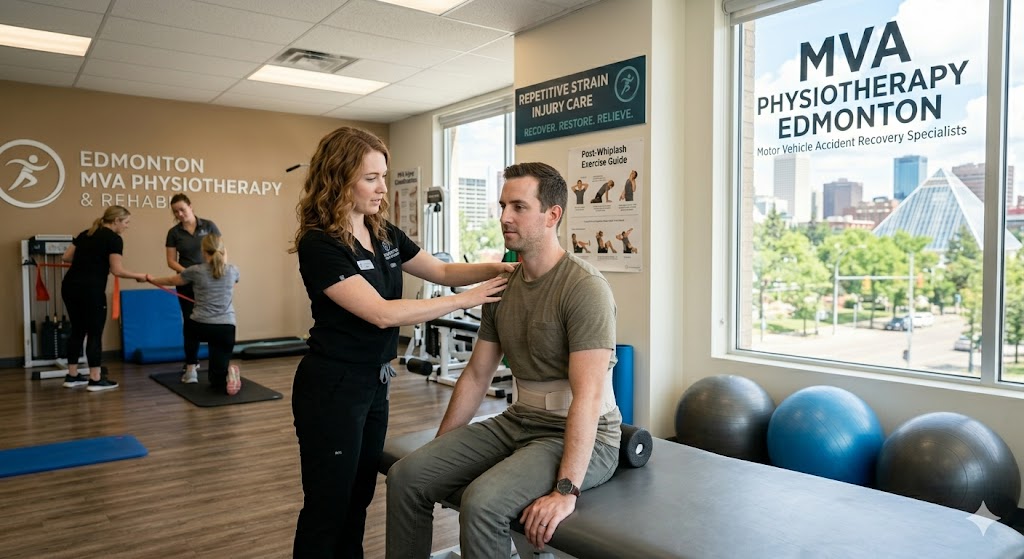
As specialized medical branches like physical therapy, holistic health, and spinal care expand across diverse neighborhoods, the need for inclusive communication has skyrocketed. Integrating a dedicated virtual chiropractic assistant who speaks multiple languages allows a wellness practice to seamlessly explain physical adjustments, track rehabilitation progress charts, and coordinate long-term recovery plans for diverse patients. For students in the United States exploring careers in sports medicine or health sciences, this targeted role demonstrates how language accessibility fuels clinical success. By translating specialized physical therapy terms and managing holistic billing records from afar, these targeted virtual partners ensure that alternative care remains open and welcoming to everyone.
Protecting Patient Privacy and HIPAA Compliance
Using a patient’s young child or an untrained family member to translate sensitive medical diagnoses in a lobby is highly unprofessional and can violate federal privacy laws. Professional virtual assistants are strictly trained in HIPAA compliance, ensuring that sensitive, translated health conversations remain completely confidential and secure.
Streamlining Telehealth for Non-English Speakers
Telehealth has made medical care incredibly accessible, but logging into a video app can be terrifying if the instructions and troubleshooting buttons are not in your language. Remote assistants act as digital tour guides, helping bilingual patients navigate the software before the doctor joins the secure video screen.
Navigating Complex Multilingual Medical Billing
Medical billing statements are notoriously difficult to decipher, often leading non-English speaking patients to ignore balances out of pure confusion. Remote financial assistants step in to break down insurance copays and deductibles using simple language, helping families set up manageable monthly payment plans with dignity.
Supporting University Campus Diversity
Major university health and counseling centers serve massive international student populations who often face language barriers while living away from home for the first time. Virtual assistants help campus clinics manage these unique demographic needs, ensuring that all students can access high-quality medical and mental health care easily.
Preparing for the 2027 Global Care Blueprint
By 2027, the most successful healthcare organizations in the United States will rely heavily on hybrid care models backed by multi-lingual remote support networks. Getting trained in these advanced, culturally inclusive virtual frameworks today ensures you will be the high-demand expert ready to lead the medical offices of tomorrow.
A Career Launchpad for Next-Gen Global Leaders
For students currently studying international relations, business, or public health, combining your language skills with healthcare administration is a massive professional asset. It prepares you to design modern, high-tech clinic systems that maximize business profits while actively advocating for underserved communities.
The Ethical Case for Language Accessibility
Providing high-quality healthcare is not just a business goal; it is a fundamental human duty that should never be restricted by the language a person speaks. By taking care of the communication logistics, a virtual assistant helps restore basic human rights, equity, and respect to the modern medical experience.
Turning Communication Barriers into Practice Growth
Ultimately, a clinic that refuses to adapt to the language needs of its local neighborhood will quickly lose patients to more inclusive competitors. Virtual assistants turn this major operational challenge into a competitive advantage, expanding the practice’s reputation as a safe, welcoming hub for the entire community.
The True Human Heart of Cultural Competence
At the end of the day, bridging a language gap is not just about translating words from one dictionary to another; it is about conveying true human empathy across cultures. When a virtual assistant organizes the logistics, they give doctors the freedom to heal and patients the comfort of being truly understood.