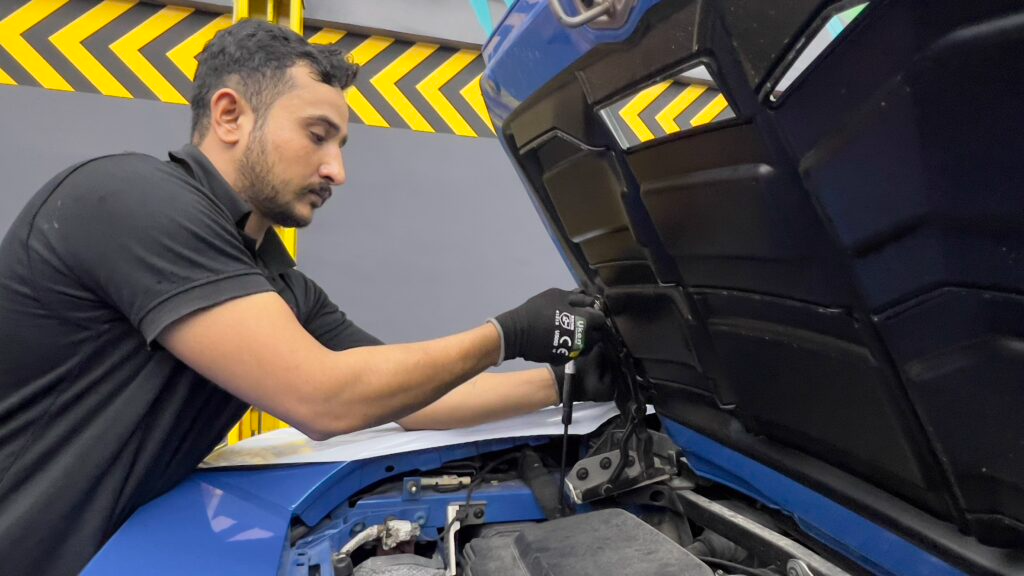
BMW has always been recognized as a brand built on innovation, precision engineering, and driving performance. For decades, BMW vehicles were admired for their powerful engines, smooth handling, and luxury design. However, modern BMWs have evolved far beyond traditional automotive engineering. Today’s models are packed with advanced electronics, intelligent software systems, digital controls, and highly specialized performance technology.
While these innovations have improved the driving experience, they have also created a major challenge within the automotive repair industry. Many traditional garages are struggling to keep up with the rapid transformation of BMW technology. Repair methods that once worked perfectly for older vehicles are now outdated when dealing with modern BMW systems.
For luxury car owners in Dubai, especially in areas like Al Quoz where BMWs are common, this shift has changed the way people choose repair workshops.
Modern BMWs Are More Like Computers on Wheels
Older vehicles were primarily mechanical. Most repairs focused on engines, transmissions, brakes, and suspension components. Mechanics could often identify issues through sound, visual inspection, or basic testing.
Modern BMW vehicles are completely different.
Today’s BMWs rely heavily on:
- Electronic control units (ECUs)
- Digital communication systems
- Software-managed performance settings
- Intelligent driver assistance features
- Adaptive suspension systems
- Advanced safety technologies
- Integrated infotainment systems
These systems constantly communicate with each other through complex electronic networks.
Because of this, repairing a BMW today often requires as much technical and software knowledge as mechanical experience. Many ordinary garages simply are not prepared for this level of complexity.
Traditional Repair Methods Are Becoming Obsolete
In the past, technicians could often repair vehicles using universal tools and general automotive experience. Modern BMW engineering has made that approach far less effective.
Today’s BMW repairs require:
- Brand-specific diagnostics
- Advanced software access
- Electronic system analysis
- Real-time performance monitoring
- Sensor calibration
- ECU programming
Without these capabilities, garages may struggle to accurately diagnose issues or may replace unnecessary parts while missing the real problem.
This is one reason why many BMW owners have become more selective about where they service their vehicles.
Diagnostic Technology Has Become Essential
Modern BMWs generate enormous amounts of data through onboard systems and sensors. Professional repair workshops now rely heavily on advanced diagnostic technology to interpret this information.
BMW-compatible diagnostics allow technicians to:
- Read manufacturer-specific fault codes
- Analyze engine performance data
- Monitor electrical systems
- Detect hidden faults
- Update vehicle software
- Test communication between electronic modules
Garages that lack these tools often face major limitations when working on newer BMW models.
As BMW vehicles continue evolving, diagnostics are becoming the foundation of modern automotive repair rather than just an additional service.
Electronics Have Increased Repair Complexity
One of the biggest reasons repair garages are struggling to keep up is the increasing complexity of BMW electrical systems.
Modern BMW electronics now control:
- Steering systems
- Climate control
- Lighting systems
- Parking assistance
- Battery management
- Engine performance
- Safety sensors
Even minor electrical faults can affect multiple systems simultaneously.
Traditional garages that focus mainly on mechanical repairs often lack the specialized training needed to troubleshoot these advanced electronic networks correctly.
This growing dependence on electronics has forced the repair industry to adopt entirely new technical standards.
Software Updates Are Now Part of Routine Maintenance
Many vehicle owners are surprised to learn that software has become a major part of BMW servicing.
Modern BMW software controls:
- Transmission behavior
- Engine response
- Fuel efficiency
- Driving modes
- Safety systems
- Infotainment features
In many cases, software updates are required to resolve performance problems or electronic glitches.
Ordinary garages without BMW programming tools or technical expertise often cannot perform these updates properly. This creates another major gap between traditional repair workshops and specialized BMW service centers.
BMW Owners Expect More Than Basic Repairs
Luxury vehicle owners today expect a completely different level of service compared to the past.
Modern BMW drivers want:
- Accurate diagnostics
- Fast repair turnaround
- Transparent communication
- Long-term repair reliability
- Preventive maintenance strategies
Traditional garages that rely on outdated repair methods often struggle to meet these expectations.
BMW owners are increasingly choosing workshops that combine advanced technology with professional customer service and specialized expertise.
Genuine Parts Have Become More Important
Modern BMW engineering is built around extremely precise tolerances. Components are designed to work together as part of an integrated system.
Using low-quality aftermarket parts can negatively affect:
- Vehicle performance
- Electronic communication systems
- Fuel efficiency
- Brake performance
- Long-term reliability
Professional BMW workshops understand the importance of using genuine or OEM-approved components.
Traditional garages that prioritize low-cost repairs may not always recognize how sensitive modern BMW systems are to component quality.
Dubai’s Driving Conditions Add More Pressure
Repairing BMWs in Dubai requires more than general automotive knowledge because local driving conditions create additional stress on luxury vehicles.
Extreme heat affects:
- Cooling systems
- Air conditioning performance
- Engine temperature control
- Battery lifespan
- Tire wear
BMW specialists in Al Quoz understand how Dubai’s climate impacts modern luxury vehicles and adjust maintenance strategies accordingly.
Ordinary garages without experience in high-performance European vehicles may overlook important preventive maintenance requirements specific to Dubai conditions.
Repair Garages Must Continuously Upgrade Their Skills
The automotive industry is changing rapidly because of brands like BMW that continue introducing advanced engineering and intelligent driving technologies.
To stay competitive, repair garages now need:
- Ongoing technician training
- Advanced diagnostic systems
- Software programming capabilities
- Electronic testing equipment
- Access to manufacturer-level repair information
Many smaller or traditional garages struggle to keep pace with these increasing technical demands.
Specialist BMW workshops, however, continue investing heavily in tools, training, and technology to handle modern luxury vehicles properly.
Preventive Maintenance Has Become More Technical
Modern BMW maintenance now involves far more than oil changes and basic inspections.
Professional workshops perform:
- Electronic system scanning
- Software diagnostics
- Sensor evaluations
- Battery registration
- Cooling system analysis
- Performance monitoring
Preventive maintenance has become highly technical because modern BMW systems are deeply interconnected.
This shift is forcing repair garages to evolve from basic mechanics into advanced automotive technology centers.
Why BMW Specialists Continue to Grow in Al Quoz
As BMW technology becomes more advanced, specialist repair centers continue gaining popularity in Dubai.
These workshops provide:
- BMW-trained technicians
- Advanced diagnostics
- Genuine parts
- Software expertise
- Faster repair accuracy
Because of this, many BMW owners now avoid ordinary repair shops and instead choose dedicated BMW specialists.
Drivers searching for advanced BMW servicing and diagnostics often turn to workshops such as https://autowhizgarage.com/bmw-car-repair-in-al-quoz/ because modern BMW vehicles require expertise that many traditional garages can no longer provide.
Final Thoughts
BMW vehicles have changed dramatically over the years. What was once primarily a mechanical luxury car is now a highly intelligent system powered by electronics, software, sensors, and advanced engineering.
As BMW technology continues evolving, many repair garages are struggling to keep up with the growing technical demands. Traditional repair methods are no longer enough for diagnosing and maintaining these sophisticated vehicles.
For BMW owners, choosing the right repair workshop is now more important than ever. Specialized garages with advanced diagnostics, software expertise, and luxury vehicle experience are becoming essential for maintaining performance, reliability, and long-term vehicle health.