When we think of Patek Philippe today, we picture absolute elegance—the quiet luxury of gold, platinum, and ultra-thin dress watches. But in 1976, the Geneva manufacturer shook the foundation of luxury watchmaking by introducing a watch that was aggressively different. It was massive, made of humble stainless steel, and carried a price tag that rivaled gold timepieces.
That watch was the Patek Philippe Nautilus.
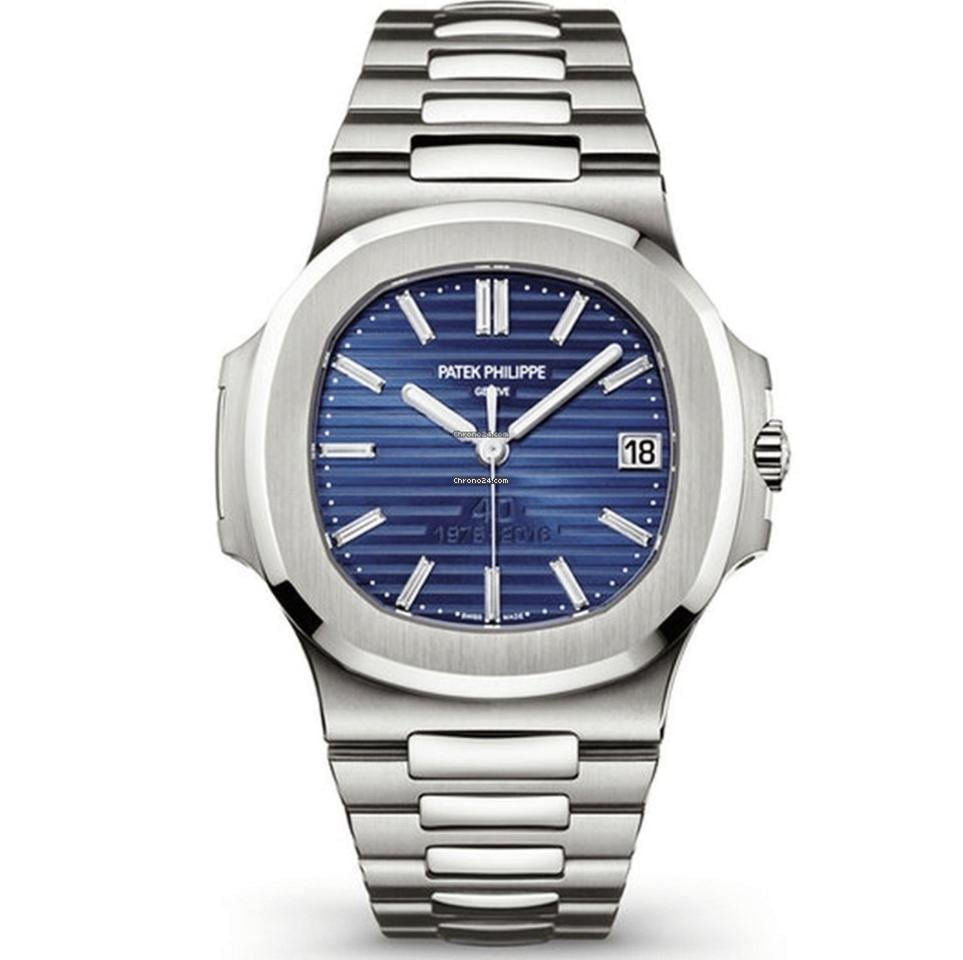
Fifty years after its historic debut, the Nautilus isn’t just an elegant sports watch; it is a global cultural phenomenon, an asset class, and arguably the most coveted timepiece on Earth. To understand its unparalleled status, one must look at how a design inspired by a cruise ship’s window rewrote the rules of luxury.
Gérald Genta and the Midnight Blueprint
The origin of the Nautilus is the stuff of watchmaking legend. In 1974, renowned designer Gérald Genta—the same mastermind behind the Audemars Piguet Royal Oak—was sitting in a restaurant during the Basel watch fair. He noticed a group of Patek Philippe executives dining across the room.
Genta asked a waiter for a piece of paper and a pencil. In less than five minutes, he sketched a watch inspired by the rugged, bolted portholes of transatlantic ocean liners.
When Patek Philippe launched the watch two years later in 1976 as the Reference 3700, they leaned heavily into this maritime DNA. Dubbed the “Jumbo” due to its then-massive 42mm diameter, it featured a rounded octagonal bezel and a revolutionary two-part “monobloc” case. The caseback and middle section were forged from a single piece of steel, and the bezel was bolted tightly from the sides using two distinct “ears” or hinges. This unique engineering allowed the watch to achieve an unprecedented water resistance of 120 meters, securing its place as a true high-performance sports watch.
The Evolution of an Icon
Over the decades, Patek Philippe meticulously evolved the Nautilus, ensuring it maintained its core identity while embracing technical sophistication. While the original model focused entirely on the essentials of hours and minutes, the line eventually welcomed an array of complex movements.
- The Asymmetrical Mastery (Ref. 5712): This highly admired model beautifully integrates practical complications across an asymmetrical dial, featuring a moonphase display, an analog date subdial, a small seconds hand, and a power reserve indicator.
- The Grand Complication (Ref. 5740): This reference represents the pinnacle of the line, managing to fit Patek Philippe’s legendary ultra-thin perpetual calendar movement inside the sporty Nautilus chassis without sacrificing its sleek, wearable profile.
- The White Gold Transition (Ref. 5811): Following the retirement of the legendary steel Reference 5711, the modern era ushered in the white gold 5811, retaining the iconic horizontally embossed blue dial but elevating the execution to precious metal.
Celebrating 50 Years of Horological Dominance
The continuous demand and decades-long waiting lists for the Nautilus culminate in its monumental 50th anniversary. To honor a half-century of production, Patek Philippe introduced a series of highly exclusive limited-edition references, distinguished by rich, saturated cobalt blue dials and custom-engraved 22-carat gold micro-rotors.
Among these anniversary editions, the platinum Reference 5610/1P stands out by resurrecting the mid-size 38mm form factor, complete with a brilliant-cut diamond discreetly set into the bezel hinge at the 9 o’clock position. For enthusiasts and collectors pursuing these rare anniversary references or seeking an entry point into the world of haute horlogerie, Aristo serves as an exceptional curated platform, providing premier access to authentic, high-demand luxury timepieces globally.
Why the Nautilus Transcends Time
The magic of the Nautilus lies in its perfect balance of textures and proportions. The case features an extraordinary interplay of satin-brushed surfaces and mirror-polished bevels that require immense hand-finishing skill to execute cleanly. Furthermore, its horizontally embossed dial acts as a canvas for light, shifting subtly from deep blue to slate gray depending on the angle.
It is this relentless focus on artisan craft that allows the Nautilus to thrive. It can be paired effortlessly with a wet suit on a dive boat or hidden beneath the cuff of a bespoke tailored suit at a gala. It remains an emblem of effortless versatility and timeless design.
Final Thoughts
The Patek Philippe Nautilus proved that a luxury watch could be sporty, rugged, and manufactured from steel, all while retaining the prestigious soul of fine Swiss watchmaking. What began as a spontaneous sketch on a restaurant napkin has spent five decades defining the very peak of global watch culture. Trends may shift, but the architectural brilliance of the Nautilus ensures it remains eternal.