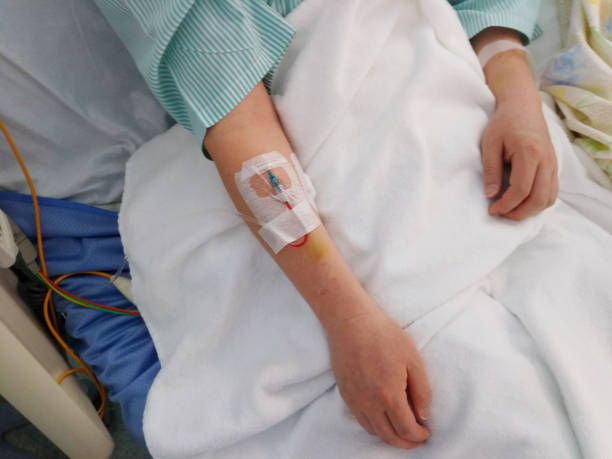
Recovery after surgery often brings doubt with uncertainty. Simple tasks may feel distant at first, which can affect confidence with routine. Clear guidance helps people move forward with purpose. Post op rehabilitation offers structured support that helps the body relearn movement in a safe way. It focuses on strength with balance or control while respecting healing time. With steady effort, patients begin to trust their bodies again. This process supports both physical recovery and emotional well-being, which makes the return to daily activities feel achievable.
Understanding the Role of Rehabilitation
Rehabilitation acts as a bridge between surgery and normal life. It helps the body relearn movement after rest or repair. While muscles weaken during recovery, focused care restores function.
- While guides provide safe movement after surgery
- Even builds trust in the body again.
- Keeping reduces stress linked with movement.
Therefore, post op acl rehab creates a strong base for progress. Patients gain clarity about what their body can do.
Why Early Support Matters
Early care shapes long-term recovery. Gentle activity protects healing tissue to support circulation. As a result, the body adapts with less strain. Patients feel more prepared to move forward.
Rebuilding Movement Step by Step
Rehab focuses on basic motion first. Then it guides the body towards normal use. Therefore, joints with muscles need care; therapists choose safe actions.
- While joint restore range through gentle drills.
- Even build muscle strength with guided effort.
- Also, improve balance to prevent falls.
However, each session follows the patient’s pace. As a result, progress feels controlled. Movement returns without strain.
Regaining Body Awareness
After surgery, the body may feel unfamiliar. Rehab sharpens awareness through focused motion. Patients learn how weight shifts for muscles engage. Therefore, movement feels more natural again.
Supporting Daily Tasks
Daily actions need coordination. Rehab trains the body to lift, bend, or walk again. Therefore, simple habits feel easier.
- While practicing sitting, standing, or walking.
- Even train grip hand use for home tasks.
- Also, improve posture for long periods of movement
For these actions repeat each day, rehab helps them feel natural again.
Building Confidence at Home
Home tasks often feel demanding after surgery. Rehab mirrors these actions during sessions. As a result, patients return home with better control or confidence.
Strengthening After Knee Surgery
Knee surgery changes how a person moves. Post op acl rehab focuses on control of joint trust. It trains the leg to carry weight with care. Then it builds power through planned steps.
- Keep strengthening thigh or hip muscles.
- Even restore knee control during movement.
- Also, train safe walking with stair use.
Therefore, patients regain confidence in the knee. Daily movement feels stable again.
Improving Joint Control
Joint control supports balance with safety. Rehab teaches the knee to respond during motion. Therefore, muscles guide the joint so that stress is reduced during daily tasks.
Preventing Setbacks During Recovery
Rehab guards against injury. It teaches safe patterns for body awareness. For muscles learn balance, stress on joints drops.
- While correcting poor movement habits
- Even improve muscle coordination.
- Each reduces strain during daily actions.
As a result, healing continues without setbacks. Patients move with care or purpose.
Learning Safe Movement Habits
Poor habits slow recovery. Rehab corrects posture with movement paths. Therefore, patients protect their bodies during normal routines.
Strength Training for Daily Life
Strength supports independence. Rehab builds strength that matches daily needs. Instead of heavy tasks, therapy uses functional movement.
- Even improve lifting ability.
- Also support carrying objects.
- Even build endurance for longer activity.
For this strength, which links with daily tasks, patients feel more capable. Each gain supports confidence.
Balance Between Strength and Control
Strength alone does not ensure safety. Rehab blends strength with control. As a result, movement feels secure during daily life.
Managing Pain Through Movement
Pain often follows surgery. Rehab uses motion to ease stiffness or discomfort.
- Also, improve blood flow through activity.
- Even reduce stiffness in joints.
- Keep supporting muscle relaxation.
Therefore, movement becomes part of pain control. Patients feel relief through guided care.
Understanding Pain Signals
Rehab teaches how to read body signals. Patients learn when to rest or when to move. This knowledge supports long-term recovery.
Mental Support Through Rehabilitation
Recovery affects the mind as well as the body. Rehab offers structure with routine. While goals feel clear, patients feel less worried.
- Each set clear recovery goals.
- Even track progress over time.
- Also, build motivation through success.
Therefore, mental strength grows with physical strength.
Restoring Trust in the Body
Fear often limits movement. Rehab replaces fear with knowledge. As a result, patients trust their bodies again.
Adapting Rehabilitation for Different Needs
Daily activity recovery after surgery journey differs. Rehab plans change based on age, surgery type, or lifestyle.
- Adjust exercises for comfort.
- Match goals with daily demands
- Respect healing timelines
While we care stays personal, progress feels meaningful. Patients stay engaged through each stage.
Supporting Long-Term Recovery
Rehab does not stop with early gains. It supports lasting health by teaching habits that protect the body beyond recovery.
Returning to Work or Social Life
Daily life includes work with social roles. Rehab prepares patients for these demands.
- Improve stamina for longer days.
- Support sitting to standing tasks
- Build strength for work duties.
Therefore, patients return to routines with confidence.
Managing Energy Levels
Energy may drop after surgery. Rehab teaches pacing with rest balance. As a result, patients manage daily demands with less fatigue.
Returning to Everyday Life
The final goal centres on daily activity recovery after surgery. Rehab connects therapy work with real life. It prepares the body for home, work, or social tasks.
- Carry objects with correct form.
- Walk longer distances without pain.
- Sit to stand with ease.
Therefore, daily life resumes with less effort. Rehab supports a return to normal routines with strength or confidence.
Final Thought
Returning to normal life after surgery takes patience and care. Progress grows through small, consistent steps that support long-term strength. Post op rehabilitation plays a key role by connecting therapy goals with real daily needs. It helps people move with confidence, reduce strain, and prevent setbacks. Over time, routine tasks feel easier and more natural. With the right guidance and commitment, recovery becomes a journey towards independence, stability, and renewed control over everyday life.
FAQ
1. How long does recovery usually take after surgery?
Recovery time varies based on the type of surgery and personal health. Some people notice improvement within weeks, while others need several months to regain strength, balance, and confidence in daily movement.
2. Can daily activities begin during recovery?
Yes, light daily activities often begin early under guidance. Simple movements support circulation and flexibility, which helps the body adapt and safely return to routine tasks.
3. Is pain normal during the recovery process?
Mild discomfort can occur as the body heals and adjusts to movement. Guided exercises help manage stiffness and improve comfort, while steady progress reduces strain over time.
4. What happens if progress feels slow?
Slow progress is common and does not mean failure. Recovery follows a personal pace, and steady effort often leads to lasting improvement in strength, movement, and confidence.
Read More Blogs on: Blogging Webs