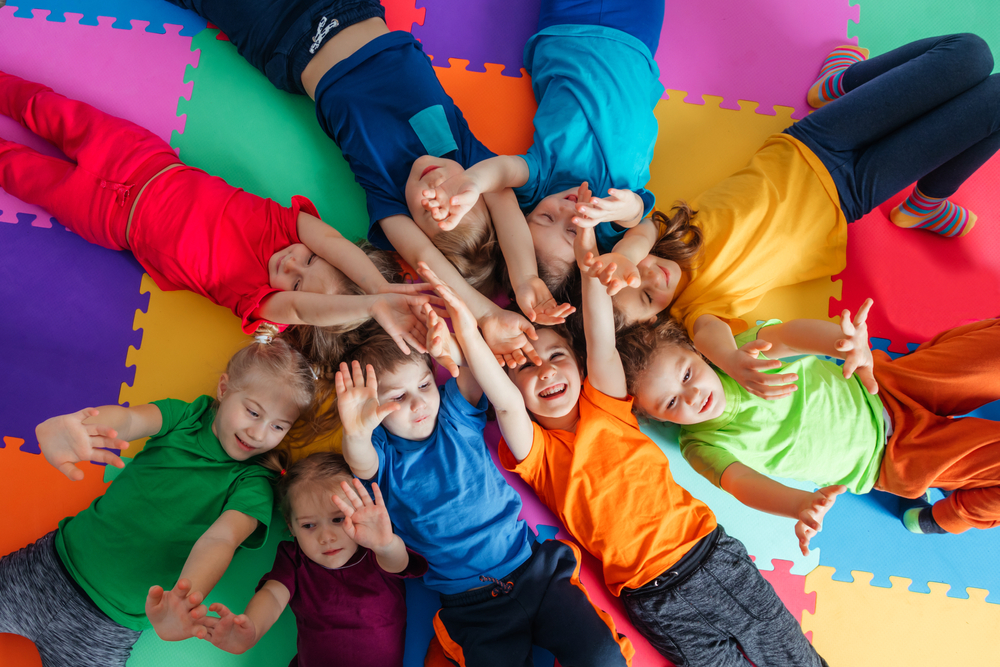
Early childhood education does not look the way it used to. Walk into a modern preschool classroom today and it feels noticeably different from the rigid learning environments many adults remember from their own childhood.
Children are moving, talking, building things, asking questions, listening to stories, sometimes even learning through games that barely resemble “formal education” at first glance. Yet underneath all that activity, learning is happening constantly.
That shift is one reason many parents now spend significant time researching preschools in Pune before making admission decisions. Families are becoming more aware that the first learning experiences children receive can strongly influence confidence, communication, emotional comfort, and long-term attitudes toward education itself.
And honestly, those early years matter more than people sometimes realize.
Modern preschool education no longer focuses only on preparing children academically. It focuses on preparing them emotionally, socially, creatively, and developmentally for the larger learning journey ahead.
Why Preschool Education Has Changed So Much
Children learn differently during early developmental stages compared to older students.
At this age, learning happens through:
- Curiosity
- Observation
- Repetition
- Play
- Conversation
- Exploration
Traditional methods built heavily around memorization often fail to engage young children naturally. Modern preschool education instead tries to match teaching approaches with how children actually experience the world around them.
This shift has influenced curriculum planning, classroom design, activity structure, and even teacher communication styles.
Play-Based Learning Is Becoming Central
One of the most widely adopted modern approaches in preschool education is play-based learning.
Some parents initially misunderstand this method because it looks informal from the outside. But structured play supports multiple developmental areas simultaneously.
Children develop:
- Communication skills
- Social interaction
- Motor coordination
- Creativity
- Emotional expression
- Problem-solving ability
through guided activities and interactive learning experiences.
A child building blocks with classmates is not “just playing.” That child is learning cooperation, balance, patience, spatial understanding, and communication all at once.
That is why many pre-primary schools in Pune now integrate play-focused learning into everyday classroom routines rather than treating play as a separate activity.
Activity-Based Learning Keeps Children Engaged
Young children struggle with long passive learning sessions. Attention spans naturally fluctuate at this stage.
Modern preschool classrooms therefore rely heavily on activity-based learning methods such as:
- Storytelling
- Art exercises
- Music sessions
- Movement games
- Hands-on exploration
- Group activities
These experiences help children absorb concepts more naturally.
Learning becomes less intimidating when children participate actively instead of simply listening quietly for extended periods.
Emotional Development Is Receiving More Attention
Earlier educational models sometimes focused almost entirely on academic preparation. Today, emotional development is considered equally important during early learning years.
Modern preschool environments encourage:
- Emotional expression
- Self-confidence
- Communication comfort
- Social bonding
- Positive reinforcement
Teachers now often receive training that helps them understand child behavior, emotional sensitivity, and learning comfort levels more effectively.
This emotional awareness creates safer and more supportive classrooms for young learners.
Interactive Classrooms Encourage Curiosity
Modern preschool classrooms are designed very differently from traditional academic spaces.
Instead of rigid seating structures, classrooms may include:
- Reading corners
- Creative stations
- Activity zones
- Sensory learning spaces
- Interactive displays
The goal is to encourage movement, exploration, and curiosity rather than passive observation alone.
Children naturally learn better when they feel involved in the environment around them.
Technology Is Being Used Carefully and Selectively
Technology has entered early childhood education too, though thoughtfully designed schools use it carefully rather than excessively.
Some modern teaching environments incorporate:
- Interactive storytelling
- Educational visual content
- Digital activity boards
- Audio-visual learning support
However, strong preschool programs usually balance technology with physical activity, creative interaction, and real-world learning experiences.
Children still need tactile learning, face-to-face communication, and movement-based exploration during early developmental stages.
Teachers Now Act More Like Learning Guides
The role of preschool teachers has evolved significantly.
Instead of functioning only as instructors delivering information, teachers increasingly act as:
- Learning facilitators
- Emotional supporters
- Communication guides
- Behavioral role models
This change matters because young children respond strongly to emotional tone and interaction style.
A calm, encouraging teacher often helps children:
- Participate more openly
- Build classroom confidence
- Feel emotionally secure
- Develop positive learning habits
The relationship between teachers and children influences preschool experiences deeply.
Social Learning Is Integrated Into Daily Activities
Preschool education now recognizes that social development cannot be separated from academic growth.
Children learn important life skills through:
- Group interaction
- Shared activities
- Collaborative play
- Classroom routines
These experiences teach:
- Patience
- Cooperation
- Listening
- Empathy
- Conflict resolution
Many pre-primary schools in Pune intentionally design activities that strengthen social interaction because emotional intelligence matters strongly later in life.
Personalized Learning Is Becoming More Common
Not every child learns at the same pace. Modern preschool education increasingly acknowledges this reality.
Some children become socially comfortable quickly. Others need gradual adjustment. Some respond strongly to visual learning while others engage better through movement or storytelling.
Teachers now often adapt activities to support different learning styles rather than expecting identical responses from every child.
That flexibility creates healthier learning experiences overall.
Parents Are Becoming More Involved in Early Education
Modern preschool systems increasingly encourage collaboration between schools and parents.
Regular communication helps parents understand:
- Developmental progress
- Behavioral patterns
- Learning strengths
- Social adjustment
This partnership creates consistency between home and school environments, which benefits children significantly during early developmental years.
Parents today are also more informed than before. They ask detailed questions about curriculum philosophy, teaching methods, emotional support systems, and classroom practices.
Language Development Is Integrated Naturally
Communication skills develop rapidly during preschool years.
Modern classrooms support language development through:
- Conversations
- Storytelling
- Rhymes
- Group discussions
- Interactive reading sessions
Children are encouraged to express thoughts openly rather than simply memorizing responses.
That confidence-building approach often supports stronger long-term communication abilities later in school life.
Sensory Learning Supports Early Brain Development
Many modern preschool classrooms now include sensory-based learning activities involving:
- Texture exploration
- Sound recognition
- Color interaction
- Movement exercises
These activities help strengthen cognitive processing and motor coordination during important developmental stages.
Young children understand the world physically before they fully understand it conceptually. Sensory learning supports that natural process.
Why Parents Prefer Modern Preschool Approaches
Families increasingly value preschool environments that balance:
- Emotional comfort
- Creative exploration
- Social interaction
- Foundational learning
- Communication development
Parents want children to enjoy learning rather than fear it during their earliest educational experiences.
That emotional relationship with education often influences confidence and curiosity for years afterward.
Conclusion
The evolution of preschools in Pune reflects a much broader shift in how early childhood education is understood today. Modern teaching approaches now focus on emotional development, creativity, communication, social interaction, and curiosity alongside foundational academics. Children are encouraged to learn through exploration, activity, storytelling, and meaningful interaction rather than through rigid memorization alone.
As awareness around early learning continues growing, many families are also paying closer attention to how pre-primary schools in Pune structure classroom experiences, teacher interaction, and developmental support systems.
Alongside institutions operating within the broader framework of an international school environment, modern preschool education continues adapting to the emotional and cognitive needs of young learners. Educational institutions like Wellington College continue contributing to this evolving landscape through child-focused learning environments designed around holistic early education principles.