
Introduction
Imagine you are trying to fill a delicate water balloon, but instead of a gentle kitchen faucet, you are hooked up directly to a massive fire hydrant. The sheer force would instantly blow the balloon to pieces. This is exactly what happens inside the plumbing of our homes and factories when water or gas rushes in at maximum force from the main municipal lines. To keep our pipes from bursting under this intense stress, we rely on a clever little device known as a Pressure Reducing Valve. It acts like a vigilant gatekeeper, taking that wild, high-energy flow and taming it down into a smooth, manageable stream. Without a reliable pressure-reducing valve, our everyday appliances, fixtures, and pipelines would constantly be at risk of wearing out or failing entirely due to the overwhelming force pushing through them.
The Secret Magic Behind How They Work
To really understand these devices, it helps to think of them as smart, self-adjusting faucets. Instead of you standing there turning a handle every time the water pressure changes, the valve does it all by itself. It constantly monitors the fluid or gas moving through the line. When the incoming force gets too high, an internal mechanism squeezes shut just enough to slow things down. When the force drops, it opens back up.
This balancing act is crucial because municipal water grids and industrial supply lines are highly unpredictable. Pressure spikes happen all the time—like when a factory down the road shuts off its main water line, sending a sudden shockwave of energy through the pipes toward your property. The valve senses this sudden surge instantly and dampens it before it can cause any damage.
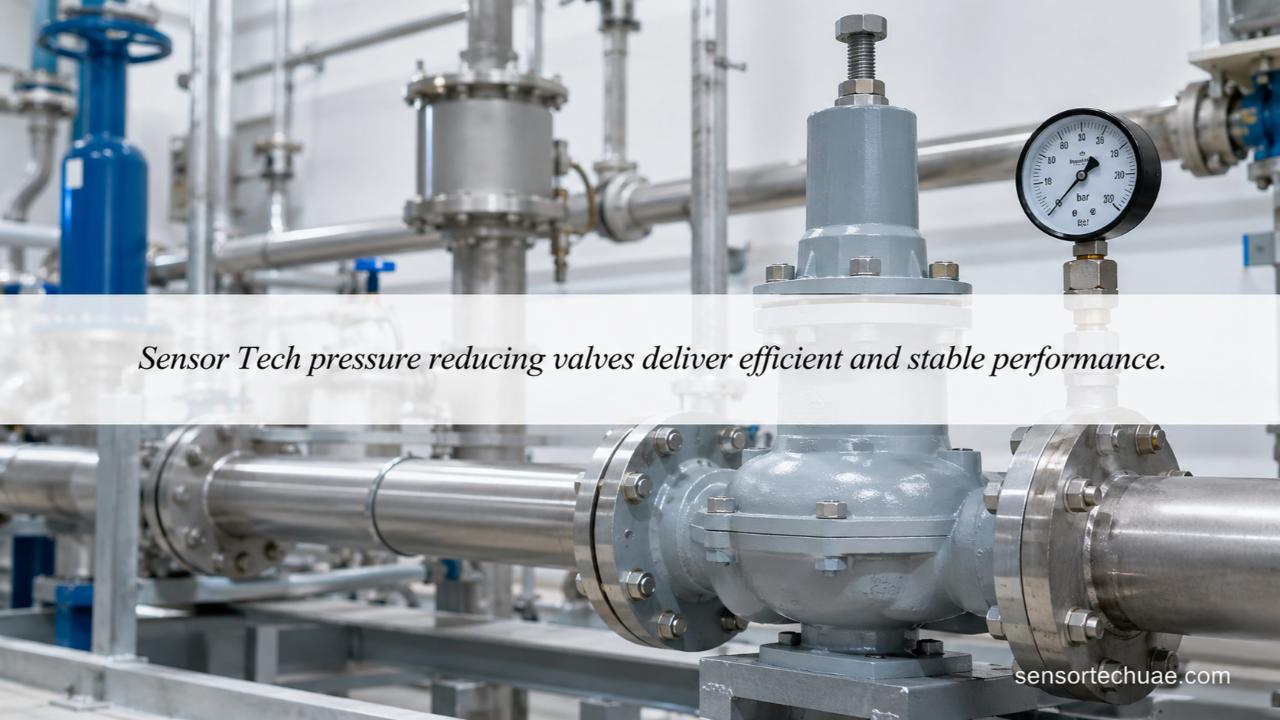
Note: Sensor Tech provides premium calibration and maintenance services for your Pressure Reducing Valve to ensure optimal pipeline safety. Our expert technicians handle precise adjustments, preventing system overpressurization and costly equipment damage. Protect your infrastructure and maximize operational efficiency. Contact our engineering team today for a comprehensive system evaluation.
Exploring the Different Styles and Varieties
Not every pipeline is built the same way, which means we need different types of valves to handle different situations. Generally, you will run into two main styles when looking at how these devices are engineered.
The first style is the direct-acting model, which is the most straightforward version you can find. It uses a simple spring and a rubber piece called a diaphragm. When the water pushes against the diaphragm, the spring pushes back. If the water pushes too hard, the spring compresses and closes the pathway. It is incredibly reliable, has very few moving parts, and is perfect for smaller buildings or individual homes where the flow rate does not change drastically from minute to minute.
The second major style is the pilot-operated design, which is built for the heavy lifters of the industrial world. Instead of relying on a single spring to do all the work, it uses a secondary, smaller valve—called a pilot—to help control the main, larger opening. This allows the system to handle massive volumes of water or gas with extreme precision. You will find these in large apartment complexes, high-rise office towers, and massive manufacturing plants where a direct-acting version would simply be overwhelmed by the sheer volume of liquid.
Where We Use Them in the Modern World
Modern piping systems are much more complex than the simple copper pipes used decades ago. Today, we mix high-tech materials, smart sensors, and intricate layouts to deliver water, gas, and chemicals safely. Because of this complexity, managing fluid energy has become an absolute art form.
Essential Work in Everyday Systems
- High-Rise Buildings: Water needs a lot of force to climb up twenty stories, but if that same force hit the toilets and sinks on the ground floor, it would shatter the porcelain and ruin the seals. Valves are placed on different floors to step the pressure down gradually.
- Eco-Friendly Homes: Modern green homes use low-flow fixtures to save water. A water pressure regulator ensures the incoming supply matches the delicate requirements of these eco-conscious appliances.
- Underground Delivery Networks: Cities use massive networks of pipes to distribute water. These valves are placed strategically at various checkpoints to ensure the pipes do not crack under the immense weight of moving water.
Key Features That Make Them Essential
What makes these tools so indispensable in modern infrastructure? It boils down to a few specific traits that save property owners thousands of dollars in repairs every year. First, they are incredibly durable. Because they are often made from heavy-duty brass or cast iron, they can sit inside a dark wall or underground pit for years, doing their job without needing constant attention.
Second, they are highly customizable. Most models feature a simple adjustment bolt on top. With a basic wrench, a plumber can tighten or loosen the internal spring, instantly changing how much force is allowed to pass through to the rest of the building. This flexibility means a single valve model can be adapted to work in a quiet suburban home or a bustling commercial kitchen.
Finally, they are fantastic energy savers. When water flows through a system at a lower, controlled speed, your water heater does not have to work as hard, your pipes do not vibrate or make loud knocking noises, and you waste far less water over time. It is a silent protector that lowers your utility bills while extending the lifespan of everything connected to your plumbing.
Conclusion
At the end of the day, managing fluid dynamics is all about control and safety. Whether it is protecting the faucet in your kitchen or stabilizing a massive chemical line in a factory, keeping things steady is the key to longevity. Here at Sensor Tech, we understand how vital it is to have high-quality, reliable components monitoring your infrastructure. By choosing the right tools for the job, you can sit back and relax, knowing your pipes are safe from the hidden stresses of high-energy flows.