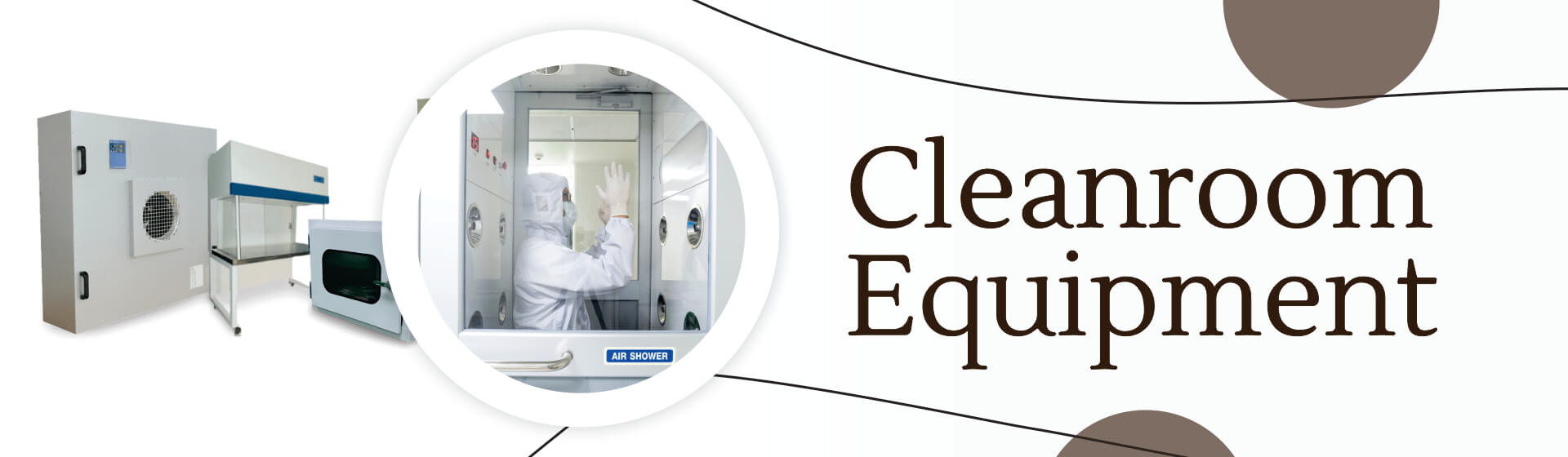
If you’ve ever worked inside a pharmaceutical facility, a hospital compounding room, or an electronics manufacturing plant, you already know how obsessively careful people are about contamination. One wrong move — a door propped open for a few seconds too long, a technician carrying a component without proper decontamination — and weeks of work can be compromised. Lives, in some industries, can be put at risk.
That’s exactly why the dynamic pass box has become one of the most talked-about pieces of equipment in Iraq’s growing cleanroom sector. And it’s why companies like FTS Cleanrooms are playing such a critical role in shaping how the country’s controlled environments are built and maintained.
What Is a Dynamic Pass Box, and Why Does It Matter?
At its most basic, a dynamic pass box is a transfer chamber — a small, enclosed unit installed into the wall between two rooms of different cleanliness classifications. Its purpose is straightforward: to allow materials, components, and samples to move between spaces without staff having to physically walk from one environment to another, opening doors, and dragging contamination along with them.
But a dynamic pass box takes this a step further. Unlike its static counterpart (which relies on UV light and passive airflow), a dynamic pass box uses an internal HEPA filtration system that actively circulates purified air through the chamber. This means the box continuously decontaminates whatever is placed inside it, using positive airflow to prevent cross-contamination between the two adjoining rooms.
The result? A faster, more reliable, and more controllable transfer process — one that doesn’t depend on how long the UV lamp has been running or whether the technician remembered to close the inner door properly.
Iraq’s Cleanroom Sector Is Growing — Rapidly
Over the past several years, Iraq has seen a notable surge in pharmaceutical manufacturing, medical device production, and high-tech industrial activity. Domestic drug manufacturing is expanding to reduce dependence on imports. Hospital infrastructure is being upgraded across multiple provinces. Electronics and defence-adjacent industries are quietly building out precision manufacturing facilities.
All of these sectors require cleanrooms. And all of them have one thing in common: they need transfer systems that work reliably, day after day, under demanding conditions.
The climate in Iraq adds its own layer of complexity. Extreme heat, dust, and inconsistent power supply all create challenges for cleanroom operations. Equipment needs to be robust, not just technically sound on paper. It needs to perform in the real world — in Baghdad in August, not just in a climate-controlled European testing facility.
This is where choosing the right supplier becomes genuinely important, not just a box-ticking exercise.
What FTS Cleanrooms Brings to the Table
FTS Cleanrooms has built a reputation in the region for supplying cleanroom infrastructure that is both technically rigorous and practically suited to local conditions. Their dynamic pass boxes reflect this philosophy.
What makes their units stand out isn’t any single flashy feature — it’s the cumulative effect of getting the fundamentals right. The HEPA filters meet international standards for particle removal. The interlock systems (which prevent both doors from being opened at the same time) are robust and responsive. The materials used in construction resist corrosion and are easy to clean, which matters enormously in high-throughput environments where the chamber is cycled dozens of times a day.
FTS also understands that cleanroom projects in Iraq often involve tight timelines, limited on-site technical expertise, and the need for clear documentation to satisfy regulatory requirements — whether from Iraq’s own health authorities or international standards bodies like ISO or WHO. Their support model is designed around these realities, not around the idealised project conditions you might find in a textbook.
A Typical Use Case: Pharmaceutical Manufacturing
Consider a mid-sized Iraqi pharmaceutical company producing injectable medications. Their filling line operates in an ISO 5 (Class 100) environment — one of the cleanest classifications in common industrial use. Raw materials, packaging components, and quality control samples all need to move in and out of this space regularly throughout a production shift.
Without a dynamic pass box, each transfer is a potential contamination event. With one installed in the wall between the Grade B corridor and the filling suite, the process becomes controlled and repeatable. Staff place materials in the outer chamber, close the door, and the unit’s HEPA-filtered airflow does its work. A few minutes later, the inner door can be opened and materials retrieved — with confidence that the transfer hasn’t introduced particulates or microbial risk into the critical zone.
Multiply this across an eight-hour shift, and the value becomes obvious. It’s not just about compliance. It’s about operational consistency and peace of mind.
The Bigger Picture
Iraq’s cleanroom industry is at an inflexion point. The facilities being built and upgraded right now will set the standards for the next decade. Getting the infrastructure right — including something as seemingly straightforward as a pass box — has downstream effects on product quality, regulatory approvals, and ultimately patient or consumer safety.
FTS Cleanrooms has clearly recognised this moment and positioned themselves as a partner for the long term, not just a vendor making a quick sale. For facility managers, project engineers, and procurement teams evaluating their options, that kind of commitment is worth paying attention to.
The dynamic pass box might be a small component in the grand architecture of a cleanroom. But in contamination control, it’s often the small things — the gaps, the unsealed connections, the overlooked transfer points — that determine whether a facility truly performs. Choosing the right equipment, from the right supplier, is how Iraq’s cleanroom sector builds the reputation it deserves on the global stage.