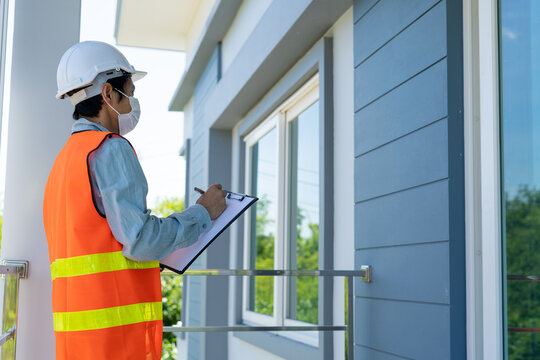
A home inspector is a trained professional who examines the condition of a residential property to identify structural issues, safety concerns, and maintenance problems. Home inspections are commonly performed before buying or selling a property, but they are also useful for homeowners who want to understand the current condition of their home.
The inspector evaluates major systems and components of the property, including the roof, foundation, electrical system, plumbing, HVAC system, walls, ceilings, windows, and flooring.
Why a Home Inspector Is Important
Hiring a professional home inspector is important because many property issues are not visible during a regular walkthrough. Hidden damage, outdated systems, water leaks, and structural problems can lead to expensive repairs if they are not identified early.
A detailed inspection helps buyers make informed decisions and helps homeowners understand what repairs or maintenance may be needed.
What a Home Inspection Includes
A complete inspection performed by a home inspector covers both the interior and exterior of the property. The inspector carefully checks the condition of structural elements, roofing materials, insulation, ventilation, electrical panels, plumbing fixtures, and heating and cooling systems.
The goal is to identify defects, safety hazards, and signs of damage that may affect the property’s condition or value.
Roof Inspection Services
One of the most important areas checked by a home inspector is the roof. The roof protects the home from weather damage and moisture problems.
The inspector looks for missing shingles, roof leaks, damaged flashing, drainage issues, and signs of wear that could lead to future repairs.
Foundation and Structural Inspection
A home inspector in Bloomsburg PA also evaluates the foundation and structural components of the property. This includes checking walls, support beams, crawl spaces, and visible framing.
Signs of foundation movement, cracks, uneven flooring, or structural damage are documented in the inspection report.
Electrical System Inspection
Electrical safety is another major part of a home inspection. A home inspector checks electrical panels, wiring, outlets, switches, and grounding systems.
The inspection helps identify outdated wiring, overloaded circuits, or safety concerns that may require professional repairs.
Plumbing System Inspection
The plumbing system is carefully examined during the inspection process. A home inspector checks water supply lines, drainage systems, pipes, faucets, water heaters, and visible plumbing fixtures.
Leaks, water pressure problems, and drainage issues are noted in the final report.
HVAC System Inspection
Heating and cooling systems are also inspected to ensure proper operation. A home inspector evaluates furnaces, air conditioning systems, ventilation, ductwork, and thermostats.
This helps determine whether the systems are functioning correctly and if maintenance or repairs may be needed.
Interior Inspection Services
Inside the property, a home inspector examines walls, ceilings, floors, doors, windows, stairs, and insulation.
The inspector looks for water stains, cracks, mold signs, poor ventilation, and other visible issues that may affect the condition of the home.
Exterior Inspection Services
Exterior inspections include checking siding, drainage, driveways, decks, porches, windows, and exterior walls.
A home inspector looks for signs of moisture damage, structural wear, and exterior defects that could impact the property over time.
Benefits of Hiring a Home Inspector
Hiring a professional home inspector provides many benefits. It helps buyers avoid unexpected repair costs and gives homeowners a better understanding of their property’s condition.
An inspection also provides peace of mind because it identifies potential issues before they become major problems.
Home Inspection Reports
After completing the inspection, the home inspector prepares a detailed report explaining the condition of the property. This report includes findings, safety concerns, maintenance recommendations, and photos when necessary.
The report helps clients understand the overall condition of the home and prioritize repairs or upgrades.
Pre-Purchase Home Inspections
Many buyers hire a home inspector before purchasing a property. A pre-purchase inspection helps reveal hidden problems that may not be visible during a normal showing.
This information allows buyers to negotiate repairs, adjust pricing, or make informed decisions before finalizing the purchase.
Preventive Maintenance Inspections
Homeowners can also hire a home inspector for preventive maintenance inspections. These inspections help identify small issues early before they become expensive repairs.
Regular inspections help maintain the property and extend the life of important systems.
Importance of Professional Experience
An experienced home inspector understands how different building systems work together and knows how to identify warning signs of potential problems.
Professional inspections are more detailed and reliable than basic visual walkthroughs, making them valuable for both buyers and homeowners.
Conclusion
A home inspector plays an important role in evaluating the condition and safety of residential properties. Through detailed inspections of structural components, roofing, plumbing, electrical systems, and interiors, they help identify issues that may affect a property’s value or safety. Whether buying, selling, or maintaining a home, hiring a professional home inspector provides valuable information and long-term peace of mind.