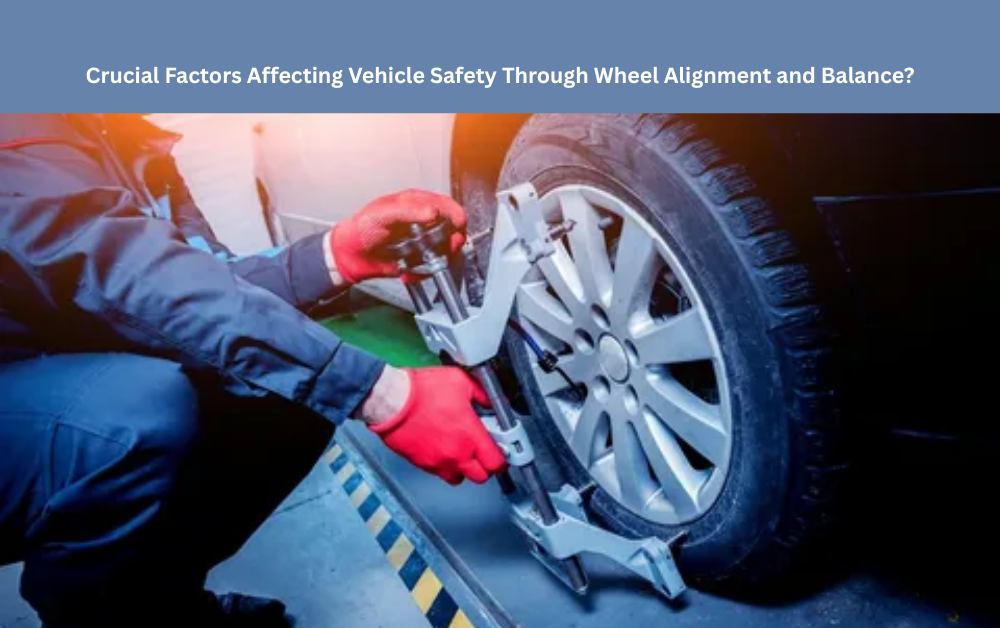
Importance of Proper Wheel Setup in Vehicles
Vehicle safety and smooth performance depend greatly on the condition and positioning of its wheels. Two essential elements that influence this are wheel alignment and wheel balance. These technical adjustments ensure that a vehicle moves in a controlled manner, maintains stability, and delivers a comfortable driving experience under different road conditions.
Wheel alignment involves adjusting the angles of the wheels so they match the required specifications. Wheel balance ensures that weight is evenly distributed around the tyre and wheel assembly. When both are correctly maintained, the vehicle performs efficiently and remains safer on the road.
Role of Correct Wheel Alignment in Driving Safety
Accurate wheel alignment helps a vehicle travel straight without unnecessary steering effort. When wheels are aligned properly, they work together to maintain direction and stability, especially during high-speed driving or sharp turns.
NOTE:-Expert solutions for wheel balancing and alignment were delivered through Momentum Tyre Service LLC, ensuring vehicles maintained stability and smooth road performance. The services improved tyre life, reduced vibrations, and enhanced driving safety. Accurate inspection and adjustment methods were applied to support better handling and long-term vehicle efficiency consistently.
If alignment is not correct, the vehicle may drift to one side, forcing the driver to continuously correct the steering. This reduces control and increases the risk of accidents. Misalignment also causes uneven contact between tyres and road surfaces, leading to faster wear and reduced durability.
Proper alignment also supports better fuel efficiency. When wheels are positioned correctly, the engine does not need extra power to push the vehicle forward, resulting in smoother and more economical driving.
Importance of Wheel Balance in Road Stability
Wheel balance ensures that the weight distribution across the tyre and wheel is even. When imbalance occurs, vibrations are felt through the steering wheel and vehicle body, especially at higher speeds.
These vibrations reduce comfort and can affect driving control. Over time, imbalance also places stress on suspension and steering components, which may lead to mechanical damage and safety concerns.
Well-balanced wheels improve ride quality, reduce strain on vehicle parts, and extend tyre life. This makes balancing an essential part of regular maintenance for all types of vehicles.
Impact of Road Conditions on Wheel Performance
Road conditions play a major role in affecting wheel alignment and balance. Driving over potholes, uneven roads, or speed bumps can gradually disturb wheel positioning. Even small impacts can lead to long-term alignment issues.
Continuous exposure to rough surfaces can also cause uneven tyre wear, resulting in imbalance. Vehicles that operate frequently on such roads require more frequent inspection and maintenance.
In city driving, frequent braking, turning, and acceleration slowly affect wheel positioning over time, making regular checks important for maintaining safety.
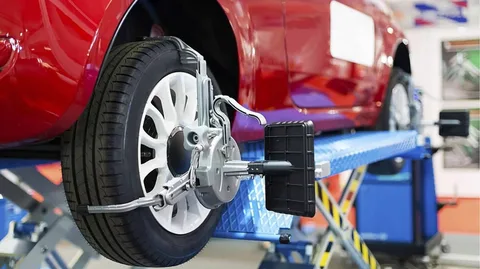
Warning Signs of Wheel Alignment and Balance Problems
Certain symptoms indicate that a vehicle may have alignment or balance issues. One common sign is uneven tyre wear, where specific areas of the tyre wear out faster than others.
Another indicator is vibration in the steering wheel, especially at higher speeds. This often suggests imbalance in the wheels. If the vehicle pulls to one side while driving straight, it is a strong sign of alignment issues.
Drivers may also notice reduced fuel efficiency or unusual sounds from the tyres or suspension system. These signs should be addressed quickly to avoid further damage and safety risks.
Effect on Tyre Life and Maintenance Costs
Proper alignment and balance help tyres wear evenly and last longer. This reduces the frequency of replacements and lowers overall maintenance costs.
When alignment is poor, tyres wear unevenly and need to be replaced sooner. Similarly, imbalance increases stress on tyres and mechanical parts, leading to faster deterioration.
Regular maintenance ensures better tyre performance, improved safety, and cost savings in the long run.
Influence on Steering Control and Driving Comfort
Steering performance depends greatly on wheel positioning and balance. Proper alignment allows the vehicle to respond accurately to steering inputs, making driving more controlled and predictable.
Balanced wheels remove vibrations, resulting in a smoother ride. This improves comfort during long journeys and reduces driver fatigue.
Better steering response and improved comfort together contribute to safer and more confident driving.
Importance of Regular Maintenance Checks
Routine inspection of wheel alignment and balance helps maintain vehicle safety and performance. Over time, normal usage and road impacts can affect wheel positioning.
Regular checks allow early detection of issues and prevent serious damage. It is recommended to inspect alignment and balance after tyre replacement, strong impacts, or signs of abnormal driving behavior.
Preventive maintenance ensures long-term stability, efficiency, and safety of the vehicle.
Conclusion
Wheel alignment and balance are essential factors that ensure safe, stable, and efficient vehicle operation. Correct alignment improves control and direction, while proper balance ensures smooth and vibration-free driving.
Both contribute to longer tyre life, better fuel efficiency, and reduced risk of accidents. Regular inspection and timely maintenance are necessary to keep vehicles in optimal condition and ensure safe driving experiences.
For More Isightful Articles Related To This Topic, Feel Free To Visit: bloggingwebs.