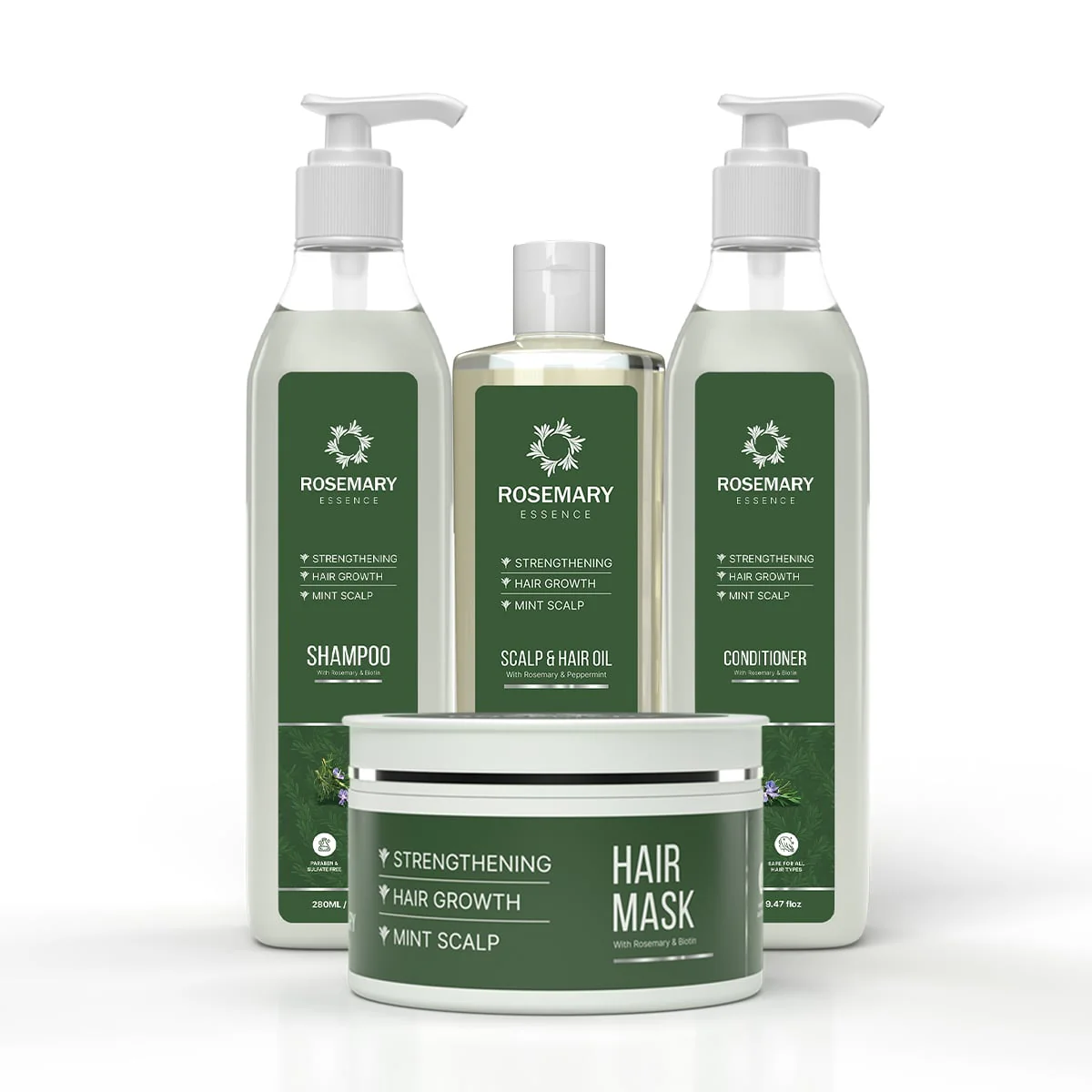
Healthy hair begins with a healthy scalp. Many people spend money on expensive shampoos, salon treatments, and chemical products without realizing that natural remedies can often deliver amazing results. One of the most popular and effective natural solutions today is rosemary oil scalp treatment. This powerful essential oil has become a favorite for people looking to improve scalp health, reduce hair fall, and encourage stronger hair growth from the comfort of home.
Rosemary oil has been used for centuries in beauty and wellness routines. Its refreshing scent, stimulating properties, and nourishing effects make it an rosemary oil for hair excellent ingredient for scalp care. Whether you struggle with dryness, dandruff, thinning hair, or an itchy scalp, rosemary oil may help restore balance naturally.
In this article, you will learn everything about rosemary oil scalp treatment at home, including benefits, methods, recipes, precautions, and tips for best results.
What Is Rosemary Oil?
Rosemary is an aromatic herb commonly used in cooking and herbal medicine. Rosemary essential oil is extracted from the leaves of the rosemary plant through steam distillation. The oil contains powerful compounds that support circulation, reduce inflammation, and nourish the scalp.
Its natural antibacterial and antifungal properties make it useful for maintaining a clean and healthy scalp environment. Many people also love rosemary oil because it provides a refreshing and relaxing experience during scalp massages.
Why Rosemary Oil Is Good for the Scalp
Rosemary oil is packed with nutrients and active compounds that support hair and scalp health. Here are some of the major benefits.
Improves Blood Circulation
One of the biggest reasons rosemary oil works well for hair care is its ability to improve circulation in the scalp. Better blood flow helps hair follicles receive more oxygen and nutrients, which may support healthier hair growth.
Reduces Hair Fall
Hair shedding can happen because of stress, weak roots, hormonal changes, or scalp problems. Rosemary oil may strengthen the hair roots and reduce breakage over time.
Helps Fight Dandruff
Dry flakes and dandruff often result from irritation or fungal growth on the scalp. Rosemary oil contains natural cleansing properties that may reduce dandruff and soothe irritation.
Soothes Itchy Scalp
A dry or inflamed scalp can feel uncomfortable. Rosemary oil provides a calming effect that helps reduce itchiness and redness.
Supports Hair Thickness
Many users report that regular rosemary oil treatments make hair appear fuller, shinier, and healthier after consistent use.
How to Prepare Rosemary Oil for Scalp Treatment
Essential oils are highly concentrated and should not be applied directly to the scalp without dilution. Mixing rosemary oil with a carrier oil helps protect the skin while improving absorption.
Best Carrier Oils to Use
Here are some excellent carrier oils for homemade scalp treatments:
- Coconut oil
- Castor oil
- Olive oil
- Jojoba oil
- Almond oil
- Argan oil
Each carrier oil offers different benefits. Coconut oil deeply moisturizes, while castor oil may support thicker-looking hair.
Simple Rosemary Oil Scalp Treatment Recipe
This basic recipe is easy to make at home and suitable for most hair types.
Ingredients
- 2 tablespoons coconut oil
- 1 tablespoon castor oil
- 5 drops rosemary essential oil
Instructions
- Mix all the oils in a small bowl.
- Warm the mixture slightly for a comfortable application.
- Part your hair into sections.
- Apply the oil directly onto the scalp using fingertips.
- Massage gently for 5 to 10 minutes.
- Leave the treatment on for at least 30 minutes.
- Wash with a mild shampoo.
For deeper conditioning, you can leave the oil overnight and rinse it in the morning.
Best Ways to Use Rosemary Oil on the Scalp
There are several effective ways to include rosemary oil in your hair care routine.
Scalp Massage Treatment
A scalp massage helps stimulate circulation and relax tension. Massaging rosemary oil into the scalp also improves absorption.
Use circular motions with your fingertips for several minutes. This routine can be done two or three times weekly.
Hot Oil Treatment
A warm oil treatment allows deeper penetration into the scalp and hair roots.
Steps
- Warm the oil mixture slightly
- Apply from scalp to hair ends
- Cover hair with a shower cap
- Leave for 30 to 60 minutes
- Wash thoroughly
This method is especially useful for dry or damaged hair.
Rosemary Oil Hair Mask
You can combine rosemary oil with natural ingredients for extra nourishment.
Example Hair Mask
- 2 tablespoons yogurt
- 1 tablespoon honey
- 4 drops rosemary oil
Mix well and apply to the scalp and hair. Leave for 20 minutes before washing.
Homemade Rosemary Water for Scalp Care
Rosemary water is another simple and affordable treatment.
How to Make Rosemary Water
- Boil two cups of water
- Add fresh or dried rosemary leaves
- Simmer for 15 minutes
- Let it cool completely
- Strain into a spray bottle
Spray the rosemary water onto the scalp daily for freshness and hydration.
How Often Should You Use Rosemary Oil?
Consistency is important for visible results.
- For dry scalp: 2 to 3 times weekly
- For hair growth support: 3 times weekly
- For maintenance: Once weekly
Results usually appear gradually over several weeks or months.
Tips for Better Results
Use Gentle Shampoo
Harsh shampoos can strip natural oils from the scalp. Choose sulfate-free shampoos whenever possible.
Avoid Excess Heat
Too much heat styling may damage hair and scalp health. Try limiting blow dryers and straighteners.
Maintain a Healthy Diet
Hair health is strongly connected to nutrition. Eat foods rich in protein, iron, vitamins, and healthy fats.
Stay Hydrated
Drinking enough water supports skin and scalp hydration from within.
Be Consistent
Natural treatments take time. Regular use is key to seeing noticeable improvements.
Rosemary Oil and Hair Growth
Many people use rosemary oil specifically for hair growth. Researchers and beauty enthusiasts believe rosemary oil may help stimulate dormant hair follicles and improve scalp circulation.
Some studies suggest that rosemary oil may offer benefits similar to certain commercial hair growth treatments without harsh side effects. While results vary from person to person, many users experience reduced shedding and stronger hair with continued use.
Common Scalp Problems Rosemary Oil May Help
Dry Scalp
Rosemary oil combined with moisturizing oils can help reduce dryness and flaking.
Oily Scalp
It may help balance oil production and keep the scalp feeling fresh.
Dandruff
Its antibacterial and antifungal properties may reduce dandruff-causing buildup.
Weak Hair Roots
Regular massages may help strengthen roots and improve hair texture.
Precautions Before Using Rosemary Oil
Even natural ingredients should be used carefully.
Always Dilute Essential Oils
Never apply pure rosemary essential oil directly to the scalp.
Do a Patch Test
Apply a small amount on the skin before full use to check for irritation.
Avoid Contact With Eyes
Essential oils can cause discomfort if they enter the eyes.
Pregnant Women Should Consult a Doctor
Pregnant or breastfeeding women should seek medical advice before using essential oils regularly.
DIY Rosemary Oil Blend for Different Hair Types
For Dry Hair
- Coconut oil
- Argan oil
- Rosemary oil
For Oily Hair
- Jojoba oil
- Rosemary oil
- Tea tree oil
For Thin Hair
- Castor oil
- Rosemary oil
- Peppermint oil
Overnight Rosemary Oil Treatment
An overnight treatment can provide intense nourishment.
How to Do It
- Apply diluted rosemary oil to the scalp
- Massage gently
- Cover hair with a silk scarf or cap
- Wash hair in the morning
This method may leave hair feeling softer and smoother.
Can Rosemary Oil Replace Hair Products?
Rosemary oil can be an excellent addition to your routine, but it may not completely replace all hair products. It works best when combined with proper hair care habits, balanced nutrition, and gentle products.
Think of rosemary oil as a natural support system for scalp health rather than an instant miracle solution.
Signs Your Scalp Is Improving
With consistent rosemary oil treatments, you may notice:
- Less itchiness
- Reduced dandruff
- Softer scalp skin
- Stronger hair texture
- Reduced shedding
- Shinier hair
Visible changes often happen gradually, so patience is important.
Natural Ingredients That Work Well With Rosemary Oil
Rosemary oil blends beautifully with other natural ingredients.
Aloe Vera
Hydrates and cools the scalp.
Honey
Provides moisture and softness.
Fenugreek
Popular for supporting stronger hair.
Onion Juice
Used in traditional remedies for hair growth.
Green Tea
Contains antioxidants that support scalp health.
Final Thoughts
Rosemary oil scalp treatment at home is one of the simplest and most effective natural methods for improving scalp health and supporting beautiful hair. It is affordable, easy to use, and suitable for many hair types. Whether your goal is reducing dandruff, soothing dryness, or encouraging stronger hair growth, rosemary oil can become a valuable part of your self-care routine.
Consistency, patience, and proper application are the keys to success. By combining rosemary oil with healthy hair habits, you can create a relaxing and nourishing routine that benefits both your scalp and your confidence.