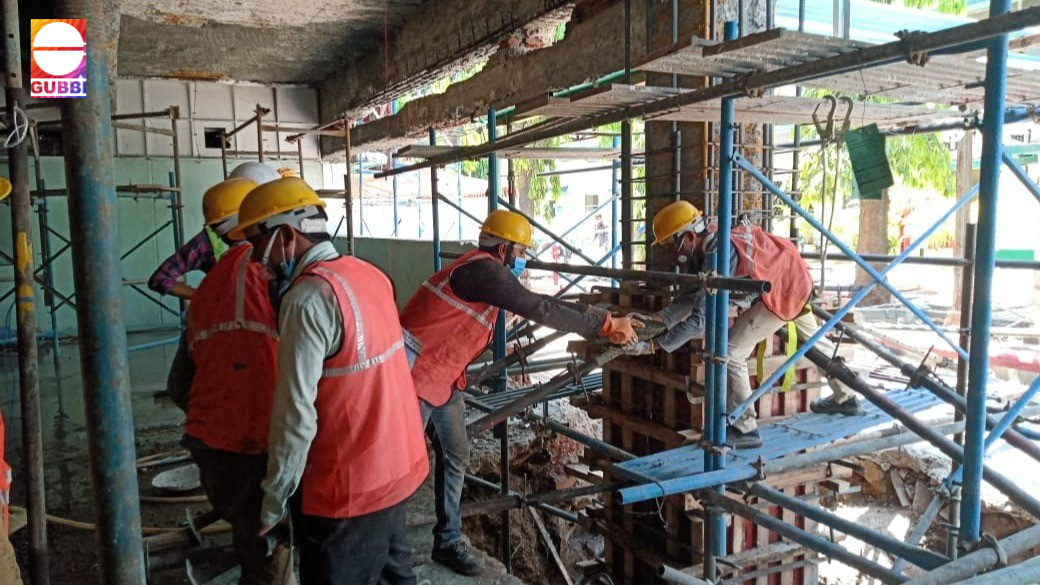
Buildings and infrastructure experience continuous stress because of environmental conditions, aging materials, design limitations, and increasing load requirements. Many structures constructed decades ago were not designed to handle present-day demands such as seismic activity, additional floors, industrial machinery, or modern occupancy standards. This is where Structural Retrofitting becomes essential. Retrofitting improves the strength, stability, durability, and safety of an existing structure without demolishing the entire building.
Understanding Retrofitting of Existing Structures
The reinforcement or upgrading of existing structures involves strengthening critical structural elements such as beams, slabs, columns, foundations, and walls. Over time, concrete structures may develop cracks, corrosion, settlement issues, or reduced load-bearing capacity. Ignoring these signs can result in severe structural damage and safety risks. Retrofitting addresses these problems through scientifically designed repair and strengthening techniques.
Importance of Retrofitting Columns in Buildings
Columns are among the most important load-bearing components in any structure. They transfer the weight of slabs, beams, walls, and upper floors safely to the foundation. If columns weaken because of corrosion, overloading, design flaws, or poor construction quality, the stability of the entire structure becomes compromised. Therefore, Retrofitting of Columns plays a major role in structural rehabilitation projects.
Weak columns may show visible cracks, concrete spalling, exposed reinforcement bars, or excessive deflection. These conditions indicate that the structural member requires immediate attention. Column retrofitting improves axial load capacity, enhances ductility, and restores structural performance. Strengthened columns provide better resistance against lateral forces caused by earthquakes and dynamic loading conditions.
Common Reasons for Structural Retrofitting
Several factors contribute to the need for retrofitting in residential, commercial, and industrial structures. One of the major reasons is aging infrastructure. Concrete structures deteriorate naturally over time because of moisture penetration, reinforcement corrosion, and environmental exposure. Buildings located in coastal or high-humidity regions are especially vulnerable to structural deterioration.
Another common reason is increased load demand. Property owners may add extra floors, install heavy equipment, or convert residential spaces into commercial facilities. Existing structural elements may not be capable of handling additional loads safely. Concrete Column Strengthening becomes necessary to accommodate these modifications while maintaining structural stability and safety standards.
Signs That a Structure Requires Retrofitting
Early identification of structural distress helps prevent major failures and expensive reconstruction costs. Several visible signs indicate the need for professional structural assessment and retrofitting services. Cracks in columns, beams, and slabs are among the most common indicators of weakening structures. Vertical cracks, diagonal cracks, and honeycombing should never be ignored.
Water seepage, rust stains, exposed reinforcement bars, and concrete spalling also indicate deterioration. Uneven settlement, vibration issues, and sagging slabs may suggest that the building is experiencing structural stress. In such situations, Structural Repair and Rehabilitation should be performed immediately by experienced engineering professionals to restore safety and durability.
Methods Used in Retrofitting of Columns
Modern structural engineering offers several advanced methods for strengthening and upgrading columns. The selection of a suitable retrofitting technique depends on the condition of the structure, load requirements, and project objectives. One widely used method is concrete jacketing, where additional reinforced concrete is added around the existing column to improve strength and stiffness.
Steel jacketing is another effective method for improving load-bearing capacity and ductility. In this process, steel plates or steel sections are attached around the column to enhance confinement and structural performance. Column Jacketing Services are highly effective in earthquake-prone areas because they significantly improve seismic resistance and overall stability.
FRP Wrapping for Structural Strengthening
Fiber Reinforced Polymer wrapping has become one of the most advanced techniques in modern structural retrofitting. FRP wrapping involves the application of high-strength carbon fiber or glass fiber sheets around columns, beams, and other structural elements. This lightweight strengthening solution provides excellent durability and corrosion resistance.
Carbon Fiber Wrapping for Columns is widely used because it increases load capacity without significantly increasing the size of the structural member. FRP retrofitting is fast, efficient, and minimally disruptive to building operations. It is suitable for commercial buildings, industrial structures, bridges, parking facilities, and residential projects requiring high-performance strengthening solutions.
Seismic Retrofitting for Earthquake Resistance
Earthquakes can cause severe damage to poorly designed or aging structures. Buildings lacking adequate seismic resistance may experience column failure, soft-story collapse, or foundation instability during seismic events. Seismic retrofitting improves the ability of structures to withstand lateral forces and dynamic movement safely.
Earthquake Resistant Retrofitting includes strengthening columns, beams, joints, shear walls, and foundations using specialized engineering methods. Column confinement, steel bracing, FRP wrapping, and base isolation systems are commonly used in seismic rehabilitation projects. Retrofitting ensures that structures remain stable and protect occupants during seismic disturbances.
Advantages of Retrofitting Existing Structures
Retrofitting provides multiple benefits for property owners and infrastructure developers. One major advantage is cost savings. Strengthening an existing building is often more economical than demolishing and reconstructing a new structure. Retrofitting also minimizes operational downtime, allowing commercial and industrial facilities to continue functioning during phased rehabilitation work.
Another important benefit is sustainability. Demolition generates significant construction waste and environmental impact. Building Rehabilitation Services help preserve existing structures while reducing material consumption and carbon emissions. Retrofitting also enhances property value, safety standards, and structural reliability, making it a practical long-term investment.
Role of Structural Audits Before Retrofitting
Before starting any retrofitting project, a detailed structural audit is essential. Structural engineers evaluate the condition of the building through visual inspections, material testing, load analysis, and non-destructive testing methods. These assessments help identify weak structural components and determine the most effective strengthening techniques.
Structural Stability Assessment ensures that retrofitting solutions are technically accurate and economically feasible. Proper analysis helps avoid unnecessary repairs and ensures that the structure meets safety regulations after rehabilitation. A professional structural audit also helps prioritize critical repair areas and improve overall project planning.
Retrofitting Solutions for Industrial Structures
Industrial buildings are exposed to heavy machinery loads, vibrations, chemical exposure, and operational stress. Over time, these conditions can weaken structural elements and affect operational safety. Industrial retrofitting projects often focus on strengthening columns, beams, foundations, and equipment support systems.
Industrial Structural Strengthening improves load capacity, operational reliability, and resistance against dynamic forces. Retrofitting industrial facilities helps companies avoid production disruptions and maintain workplace safety standards. Proper rehabilitation also extends the service life of valuable infrastructure and equipment support systems.
Challenges in Structural Retrofitting Projects
Retrofitting projects require technical expertise, careful planning, and precise execution. One major challenge is working with occupied buildings where construction activities must be controlled to minimize disruption. Structural modifications also require accurate analysis to ensure compatibility between old and new materials.
Access limitations, hidden structural defects, and environmental exposure may complicate rehabilitation work. Therefore, experienced engineering professionals play a critical role in project success. Advanced Structural Retrofitting Techniques help address these challenges through efficient strengthening methods, specialized equipment, and scientifically designed repair systems.
Why Professional Expertise Matters in Retrofitting
Structural retrofitting is a highly specialized engineering process that requires detailed technical knowledge and practical experience. Improper strengthening methods can create additional stress and compromise structural safety. Therefore, selecting a reliable engineering company is essential for successful rehabilitation outcomes. Gubbi Civil Engineers Limited provides professional retrofitting solutions backed by engineering expertise, advanced technology, and quality construction practices. The company focuses on structural safety, durability, and long-term performance while delivering customized rehabilitation solutions for different project requirements. Expert evaluation and proper execution ensure reliable strengthening results.
Future of Structural Retrofitting in India
India has a large number of aging residential, commercial, and industrial structures requiring rehabilitation and strengthening. Rapid urbanization, increased infrastructure demand, and evolving safety standards are driving the growth of the retrofitting industry. Building owners are becoming more aware of the importance of preventive structural maintenance and rehabilitation.
Modern technologies such as FRP systems, advanced grouting materials, non-destructive testing, and seismic strengthening solutions are transforming the industry. Concrete Repair and Retrofitting Services are expected to play a major role in sustainable infrastructure development across urban and industrial sectors in the coming years.
Retrofitting is one of the most effective solutions for strengthening and upgrading existing structures without complete reconstruction. Whether the issue involves aging infrastructure, earthquake vulnerability, load enhancement, or structural deterioration, retrofitting restores safety, durability, and long-term reliability. Among all structural elements, columns require special attention because they directly influence the stability of the entire building.
Retrofitting of Columns using advanced methods such as concrete jacketing, steel jacketing, and carbon fiber wrapping significantly improves structural performance and load-bearing capacity. With professional engineering expertise, property owners can extend the lifespan of their structures while ensuring compliance with modern safety standards.