A damaged electronic product rarely fails due to a single dramatic impact. More often than not, a small movement inside the pack causes the problem. A charging cable rubs against a surface. A tablet corner shifts during handling. A small accessory takes pressure each time the parcel changes hands.
That is why choosing the right mailer matters more than many buyers realise. Safe delivery is not simply about sealing a parcel and sending it out. It starts with selecting packaging that matches the weight, shape and sensitivity of the product inside.
In practical dispatch environments, businesses that ship electronics successfully usually focus on one thing first: reducing internal movement. That is where the right envelope packaging makes the difference.
Why Does Mailer Choice Matter So Much?
Electronic products often contain delicate surfaces, corners and components that can be affected by friction, pressure and repeated handling.
Packing specialists usually look at three practical points before selecting a mailer:
- How much movement could happen inside the pack
- Whether the item has exposed corners or edges
- How many handling stages the parcel is likely to pass through
That practical thinking is what often separates a clean delivery from an avoidable return.
Which Envelope Types Best Protect Electronics?
Different products need different levels of support. A memory card, headphones and a tablet accessory should not all travel in the same format.
Bubble-Lined Mailers
For smaller electronic accessories, bubble envelopes remain one of the most practical choices.
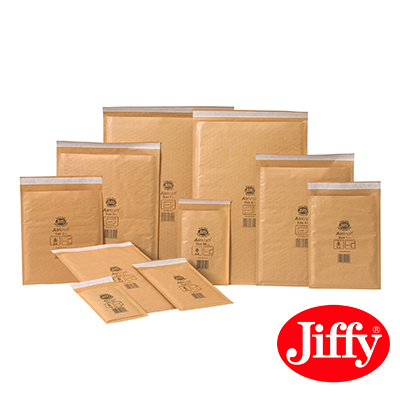
The internal bubble lining creates a light cushioning layer around the contents. That layer helps absorb minor knocks during transit while also reducing internal friction. Items such as charging cables, adapters, small accessories and portable drives often travel well in this format.
In fulfilment environments, lightweight cushioning matters because repeated handling usually poses more risk than a single large impact. The right internal padding often protects surfaces before damage becomes visible.
Padded Fibre Mailers
Jiffy envelopes are widely chosen when slightly firmer protection is needed without adding unnecessary bulk.
The padded construction helps soften pressure during loading, stacking and routine parcel movement. This makes them useful for small boxed electronics, compact accessories and products with delicate outer finishes.
One reason they remain popular is balance. They provide protective cushioning while keeping packing efficient, which matters when larger daily volumes need to move through dispatch quickly.
Rigid Board Mailers
Flat electronic products often need stronger edge protection rather than soft cushioning alone. That is where cardboard rigid envelopes become especially useful.
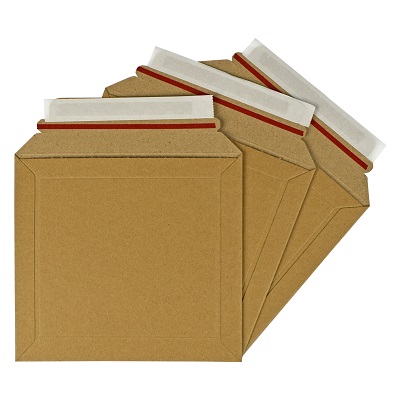
Their firm structure helps prevent bending, corner pressure and shape distortion during transit. Thin electronics, instruction kits, product inserts, warranty cards and flat accessories often benefit from this format.
In packing operations, rigid mailers are often selected for their structural control. A flatter item can still become damaged if it flexes repeatedly during movement. Strong outer support helps prevent that.
Can Internal Fill Still Make a Difference?
Yes—especially when there is spare space inside the package.
Even a good outer mailer can allow movement if the contents are not properly supported. That is where newspaper offcuts can be useful as internal void fill.

They help stabilise lighter items, support corners and reduce unwanted shifting during handling. They are particularly practical for packing awkwardly shaped accessories that do not fit neatly into a single envelope.
In busy packing rooms, simple internal support often prevents the kind of small friction marks that become visible only when the parcel is opened.
How Do Professionals Choose the Right Option?
The safest packaging usually comes from matching the mailer to the product rather than relying on one universal format.
A practical guide often looks like this:
- Light accessories usually benefit from cushioned internal lining
- Flat electronic items often need stronger structural support
- Products with spare internal space usually perform better with controlled fill
- Higher handling frequency often calls for stronger exterior stability
That product-led approach usually delivers more consistent results than simply choosing the thickest packaging available.
Why Does Good Packaging Matter Commercially?
Protective packaging does more than prevent damage.
In e-commerce, the condition of the parcel shapes customer confidence before the product is even used. A neatly packed electronic item feels more reliable, more professional and more carefully handled.
A useful example can be seen in consumer electronics fulfilment. Earbuds, accessories, and compact smart devices often arrive safely not because the outer packaging looks heavy, but because movement inside the pack has been properly controlled from the beginning.
That is where thoughtful material choice builds long-term trust.
What Should Buyers Consider Before Ordering?
Before selecting packaging, it helps to ask a few practical questions:
- Is the product flat, fragile or pressure-sensitive?
- Could movement inside the pack create rubbing or corner damage?
- Will the parcel pass through multiple handling stages?
- Does the packaging match both protection needs and shipping efficiency?
Those small decisions often shape delivery performance more than buyers expect.
Conclusion
Safer electronic delivery rarely depends on a single heavy outer layer. More often than not, it comes from choosing packaging that controls movement, protects edges, and properly supports the product throughout transit.
From bubble and jiffy envelopes to rigid cardboard envelopes and smart internal fillers made from newspaper offcuts, each format plays a different role.
When the packaging fits the product, the parcel arrives the way it should—secure, clean and ready to impress.