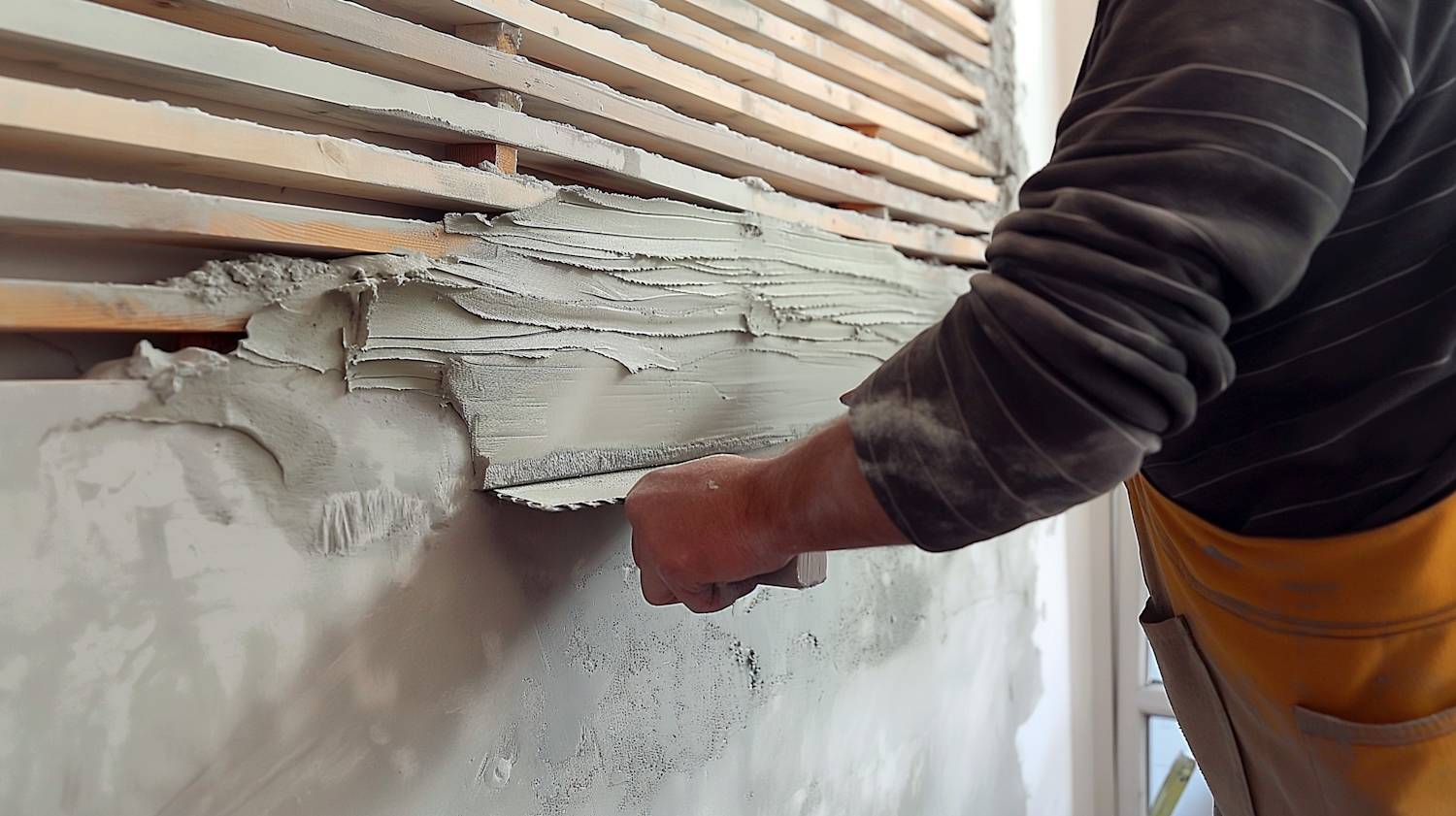
Introduction to Plastering in Construction Industry
Plastering is one of the most essential processes in modern construction that helps in creating smooth, durable, and visually appealing wall and ceiling surfaces. It is widely used in both residential and commercial buildings to enhance structural strength and provide a finished look. The process involves applying a protective layer of materials such as cement, lime, gypsum, or clay over brick or concrete surfaces. With growing demand for high-quality construction finishing, plastering has become a key element in improving durability, aesthetics, and weather resistance. The use of different types of plastering techniques ensures that buildings remain strong, long-lasting, and visually attractive while reducing maintenance costs over time.
What is Plastering in Construction and Why It is Important
Plastering in construction refers to the process of covering rough surfaces of walls and ceilings with a smooth layer of material to protect and decorate them. This technique plays a major role in enhancing the structural integrity of buildings while also improving their appearance. It helps in sealing cracks, preventing moisture penetration, and protecting walls from environmental damage. In modern construction, plastering is not just about aesthetics but also about durability and insulation. Proper wall plastering ensures that surfaces remain even and ready for painting or other decorative finishes. Without plastering, buildings would be more vulnerable to weather damage, wear and tear, and reduced lifespan.
Cement Plaster – Most Common Type of Plastering
Cement plaster is one of the most widely used types of plastering in construction due to its strength, durability, and cost-effectiveness. It is made by mixing cement, sand, and water in appropriate proportions and is commonly applied on both interior and exterior walls. Cement plaster provides excellent resistance against moisture, making it ideal for areas exposed to harsh weather conditions. It also offers a strong bonding surface for paint and decorative coatings. In modern construction, cement plaster is preferred for residential buildings, commercial structures, and infrastructure projects. Its long-lasting nature and ability to withstand cracks make it a popular choice for wall finishing and surface protection.
Lime Plaster – Traditional and Eco-Friendly Plastering Method
Lime plaster is one of the oldest and most traditional types of plastering used in construction. It is made from a mixture of lime, sand, and water, and sometimes includes natural fibers for added strength. Lime plaster is highly breathable, allowing moisture to evaporate easily, which helps prevent dampness and mold growth in buildings. It is especially useful in historical buildings and eco-friendly construction projects. One of its major benefits is flexibility, which reduces the chances of cracking over time. Although it is not as strong as cement plaster, lime plaster provides a smooth and aesthetic finish that enhances the beauty of walls and ceilings.
Gypsum Plaster – Modern Solution for Smooth Wall Finishing
Gypsum plaster, also known as POP (Plaster of Paris), is a modern type of plastering widely used for interior wall finishing. It is made from calcium sulfate and is known for its smooth texture and quick drying properties. Unlike cement plaster, gypsum plaster does not require water curing, which saves time and labor costs during construction. It is lightweight, fire-resistant, and provides a flawless finish suitable for painting and decorative designs. Gypsum plaster is commonly used in residential homes, offices, and commercial interiors where aesthetic appeal is a priority. Its ability to provide a crack-free surface makes it highly popular in modern construction techniques.
Mud Plaster – Natural and Cost-Effective Plastering Type
Mud plaster is a traditional and environmentally friendly plastering method made from a mixture of clay, sand, straw, and water. It is commonly used in rural areas and eco-conscious construction projects. This type of plastering is highly cost-effective and provides natural insulation, keeping interiors cool in hot climates and warm in cold conditions. Mud plaster is breathable and helps maintain indoor air quality by regulating moisture levels. Although it requires regular maintenance compared to modern plastering methods, it remains a sustainable choice for low-cost housing and eco-friendly architecture. Its natural composition makes it safe, non-toxic, and biodegradable.
Waterproof and Special Plastering Types for Protection
Waterproof plastering is a specialized type of plastering used to protect buildings from water leakage, dampness, and moisture damage. It is commonly applied in bathrooms, basements, kitchens, and exterior walls exposed to heavy rainfall. This plaster includes additives that enhance water resistance and durability. In addition to waterproof plaster, there are other special plastering types such as acoustic plaster for soundproofing and fire-resistant plaster for safety in high-risk buildings. These advanced plastering techniques improve the functionality of modern structures while ensuring long-term protection. They are essential in areas where environmental conditions demand extra durability and resistance.
Benefits of Plastering in Modern Construction
Plastering offers numerous benefits that make it an essential part of construction finishing. It provides a smooth and even surface that enhances the appearance of walls and ceilings. One of the major advantages is protection against weather conditions, moisture, and cracks, which increases the lifespan of buildings. Plastering also improves thermal insulation and soundproofing, making interiors more comfortable. It acts as a strong base for painting and decorative finishes, ensuring better adhesion and durability. Additionally, plastering reduces maintenance costs by preventing structural damage. Overall, it plays a crucial role in improving both the functionality and aesthetics of residential and commercial buildings.
Plastering Application Process in Construction Work
The plastering process involves several important steps to ensure a durable and smooth finish. First, the surface is cleaned to remove dust, dirt, and loose particles. Then, a base coat of plaster is applied using tools such as trowels and floats. After that, leveling and smoothing are done to achieve an even surface. Depending on the type of plaster used, curing may be required to strengthen the material. Skilled labor is essential to ensure proper thickness and consistency during application. Proper execution of the plastering process guarantees long-lasting results, improved durability, and a high-quality wall finish suitable for painting and decoration.
Common Plastering Mistakes and Maintenance Tips
Despite its importance, improper plastering can lead to issues such as cracks, uneven surfaces, and water leakage. Common mistakes include incorrect mixing ratios, poor surface preparation, and lack of curing. These errors can reduce the strength and durability of the plastered surface. Regular maintenance is essential to ensure long-lasting results. Small cracks should be repaired immediately to prevent further damage. Using high-quality materials and skilled labor can significantly improve plastering quality. Proper maintenance also includes periodic inspection of walls for moisture or structural issues. By avoiding common mistakes and following maintenance practices, plastered surfaces can remain strong, attractive, and durable for many years.
Frequently Asked Questions (FAQs)
1. What are the main types of plastering used in construction?
The main types of plastering used in construction include cement plaster, lime plaster, gypsum plaster, and mud plaster. Each type has its own unique properties and applications. Cement plaster is widely used for both interior and exterior walls due to its strength and durability. Lime plaster is more traditional and eco-friendly, offering breathability and flexibility. Gypsum plaster is popular for interior finishing because it provides a smooth surface and quick drying time. Mud plaster is a cost-effective and natural option often used in rural or sustainable construction projects. These plastering types help improve durability, aesthetics, and protection of building surfaces.
2. Why is plastering important in building construction?
Plastering is important in building construction because it provides a smooth, durable, and protective layer over rough wall and ceiling surfaces. It enhances the appearance of buildings and prepares surfaces for painting or decorative finishes. Plastering also helps in preventing moisture penetration, which reduces the risk of dampness and structural damage. It increases the strength of walls, improves thermal insulation, and offers soundproofing benefits. Without plastering, surfaces would remain rough, uneven, and more vulnerable to environmental damage. Therefore, plastering plays a vital role in ensuring both the durability and aesthetic quality of modern construction projects.
3. Which type of plastering is best for interior walls?
Gypsum plaster is considered the best option for interior walls due to its smooth finish, fast drying properties, and ease of application. It does not require water curing, which saves time during construction. Gypsum plaster also provides a crack-free surface, making it ideal for painting and decorative work. It is lightweight and offers good fire resistance, adding safety benefits to buildings. Cement plaster can also be used for interiors, but it requires more finishing work compared to gypsum. Overall, gypsum plaster is preferred in modern construction for residential homes, offices, and commercial interiors because of its aesthetic and practical advantages.
4. What are the benefits of cement plaster?
Cement plaster offers several important benefits in construction. It provides high strength and durability, making it suitable for both interior and exterior walls. It is highly resistant to moisture, which helps protect buildings from dampness and water damage. Cement plaster also creates a strong base for paint, tiles, and decorative finishes. It is cost-effective and widely available, making it a popular choice in construction projects. Additionally, it improves the overall structural stability of walls and increases their lifespan. Due to these advantages, cement plaster is commonly used in residential, commercial, and industrial buildings.
5. Is plastering necessary for all buildings?
Yes, plastering is necessary for most buildings because it improves both appearance and durability. Without plastering, walls remain rough and uneven, which affects the overall finish of the structure. Plastering protects surfaces from environmental damage such as rain, heat, and moisture. It also helps prevent cracks and increases the lifespan of walls. In addition, plastering provides a smooth surface that is essential for painting and decoration. While some modern architectural designs may expose raw surfaces, most residential and commercial buildings still rely on plastering for protection, strength, and aesthetic enhancement.
6. How can plastering defects be prevented?
Plastering defects can be prevented by using proper materials, skilled labor, and correct application techniques. One of the most important factors is maintaining the right mixing ratio of cement, sand, or gypsum to ensure strength and durability. Proper surface preparation, including cleaning and wetting the wall before plastering, also helps improve adhesion. Curing should be done correctly in cement plaster to prevent cracks. Using high-quality materials and avoiding rushed work can significantly reduce defects such as cracks, uneven surfaces, and peeling. Regular inspection during and after application ensures a long-lasting and smooth plastered finish.