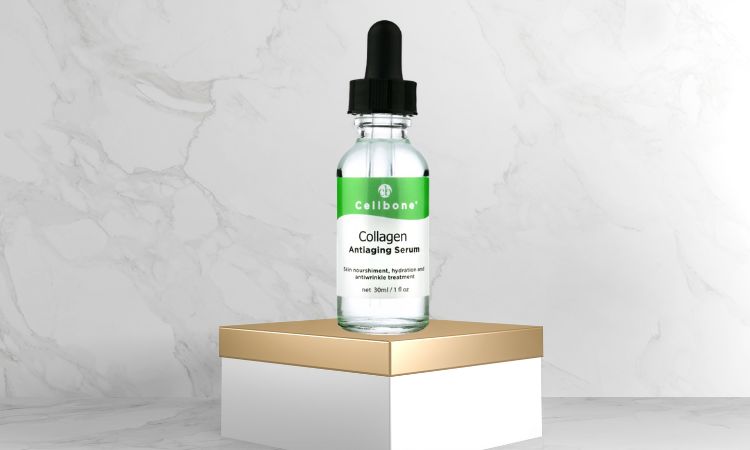
If you’re just starting to notice fine lines, uneven texture, or that your skin doesn’t bounce back the way it used to, you’re not imagining it. Skin naturally loses collagen over time, and that shift shows up sooner than most people expect. A well-formulated collagen anti aging serum can help support your skin’s structure, hydration, and overall appearance without complicating your daily routine.
In this guide, we’ll break down what collagen serums actually do, how they work on a dermatological level, how to use them correctly, and what beginners should realistically expect.
What’s Really Going On With Your Skin Over Time
Your skin doesn’t suddenly age overnight. It’s a slow shift. Collagen, the protein that keeps skin firm and smooth, starts declining earlier than most people expect, often in your mid-20s. From there, it’s a gradual change. Skin becomes a little less elastic, a little less hydrated, and a bit slower to recover.
You might notice:
- Fine lines that stick around longer
- Skin that feels thinner or less “full”
- A dull tone that doesn’t bounce back easily
These aren’t major problems, but they’re signals. And that’s exactly where collagen-focused skincare starts to make sense.
So, What Does a Collagen Serum Actually Do?
There’s a lot of confusion around this, and honestly, most marketing doesn’t help.
A collagen serum doesn’t magically replace lost collagen in your skin. That’s not how topical skincare works. What it does instead is support the environment your skin needs to maintain and produce collagen more effectively.
It works in a few practical ways.
First, it hydrates deeply. Most collagen serums are built around humectants like hyaluronic acid, which pull water into the skin. That alone can make your skin look smoother and more relaxed.
Second, it often includes ingredients like peptides or vitamin C. These don’t sit on the surface – they signal your skin to function better, encouraging natural collagen production over time.
And third, it helps stabilize your skin barrier. When your barrier is healthy, your skin is less reactive, less dry, and better equipped to handle everything else you’re using.
How It Fits Into a Real-Life Routine
The biggest advantage of using a collagen serum is how easy it is to work into your day. You don’t need to build a complicated system around it.
After cleansing, apply a small amount while your skin is still slightly damp. This helps the product spread evenly and absorb better. Follow it with a moisturizer to seal everything in.
In the morning, sunscreen is essential. There’s no way around that. Sun exposure breaks down collagen faster than anything else, so skipping SPF basically cancels out the effort you’re putting in.
At night, the same serum helps your skin recover while you sleep.
What You’ll Actually Notice After Using It
This is where expectations matter. A lot of people give up too early because they’re expecting dramatic results in a few days.
What usually happens instead is more subtle, but still noticeable.
Within a couple of weeks, your skin starts feeling more comfortable. Less tight, less uneven. Over time, the surface looks smoother, and those fine dehydration lines soften a bit.
It’s an improvement. And that’s what makes it sustainable.
Choosing One Without Getting Overwhelmed
If you’ve ever stood in front of a skincare shelf, you know how confusing it gets. Everything promises the same results, but the formulas vary a lot.
For beginners, it helps to keep things simple. Look for a serum that includes a mix of hydrating and supportive ingredients – something with peptides, hyaluronic acid, or vitamin C is usually a safe place to start.
Avoid overly heavy fragrances or complicated ingredient lists, especially if your skin tends to react easily.
You don’t need the most expensive option. You need something consistent, well-formulated, and easy to use daily.
How It Works Alongside Other Skincare Products
As your routine evolves, you’ll probably start adding other products – maybe something for pigmentation, texture, or acne.
If you’re experimenting with ingredients like kojic acid powder to address dark spots, it’s important not to overload your skin. Strong actives can be effective, but they also increase the risk of irritation if used incorrectly.
A collagen serum helps keep things steady. It supports hydration and barrier function so your skin can handle those stronger ingredients better.
The key is not to stack everything at once. Add one thing at a time and give your skin space to adjust.
Mistakes That Slow Down Your Results
A few common habits tend to get in the way more than anything else.
Switching products too often is one of them. Skin needs time to respond. If you’re changing serums every week, you won’t see what actually works.
Using too many actives at once is another. It’s tempting to combine everything, but that usually leads to irritation instead of improvement.
And then there’s skipping sunscreen. It’s worth repeating without protection, collagen breaks down faster, no matter how good your serum is.
FAQs
When should I start using a collagen serum?
Most people start in their mid-20s when collagen production begins to slow down.
Can it actually reduce wrinkles?
It helps soften fine lines, but deeper wrinkles usually need additional treatments.
Is it okay for sensitive skin?
Yes, as long as the formula is gentle and fragrance-free.
How long before I see results?
You’ll likely notice better hydration within a week, with gradual improvements over time.