In today’s fast-moving world of online shopping and global deliveries, people really expect their parcels to arrive in great shape—no dents, cracks, or damaged corners. Whether it’s a fragile electronic item, a luxury cosmetic product, or just everyday household goods, safe delivery matters almost as much as the product itself. One damaged package can trigger returns, refunds, and unhappy customers. And that doesn’t just sting once—it chips away at a company’s reputation and profits.
So that’s how protective packaging ends up being more than a nice extra. Businesses don’t treat packaging as only a way to wrap things anymore. It has become a smart tactic to reduce transit damage, boost customer satisfaction, and reinforce brand identity.
And as shipping routes get more complicated and expectations keep climbing, paying for reliable packaging solutions isn’t something you can casually skip. It’s basically essential.
What Is Protective Packaging?
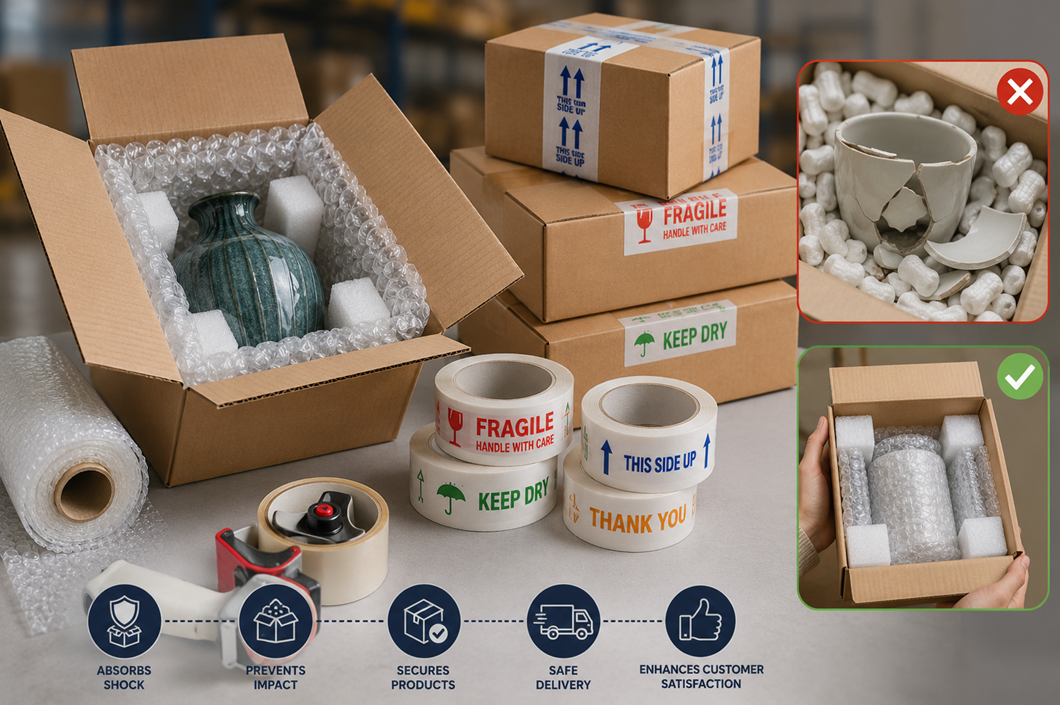
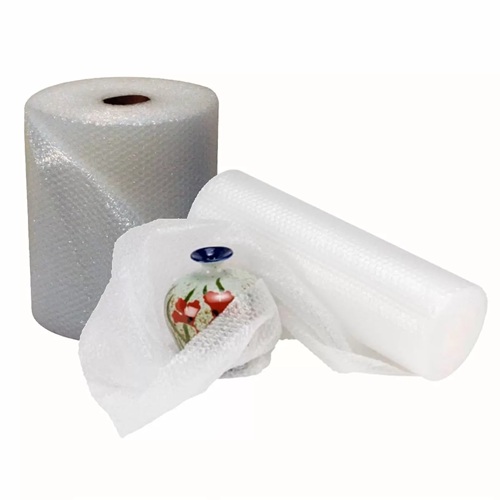
The materials and methods used in protective packaging safeguard goods from physical damage during handling, shipping, and storage. It works well to absorb shock, prevent movement, and shield products from dust, moisture, and temperature changes.
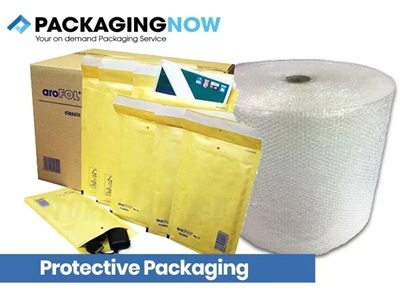
There are many types of packaging materials used for protection, including:
- Bubble wrap
- Foam inserts
- Corrugated cardboard
- Air pillows
- Kraft paper
- Stretch films
- Protective mailers
Selecting the right packaging materials depends on the type, size, and fragility of the product. Electronic and fragile items require cushioning against impact, whereas food items need moisture-resistant packaging. Basically, the aim is to ensure the product is delivered in the same condition it left the warehouse.
The Importance of Quality Packaging Tapes
Focusing on packaging tapes is equally important as focusing on boxes and cushioning. If a box is properly sealed, it means it is safe during transit. Low-quality adhesive tapes can peel off, split or just end up losing their grip when you put them under pressure, plus when temperatures start moving around. Because of that, the chances that a package opens during delivery go up, and then products can get exposed to all kinds of damage.
High-quality packaging tapes tend to hold on better and give reliable sealing. So, the boxes stay secure even when shipping conditions are a bit challenging. They also help day-to-day handling run smoother in warehouses and fulfilment centres, which is honestly a big deal.
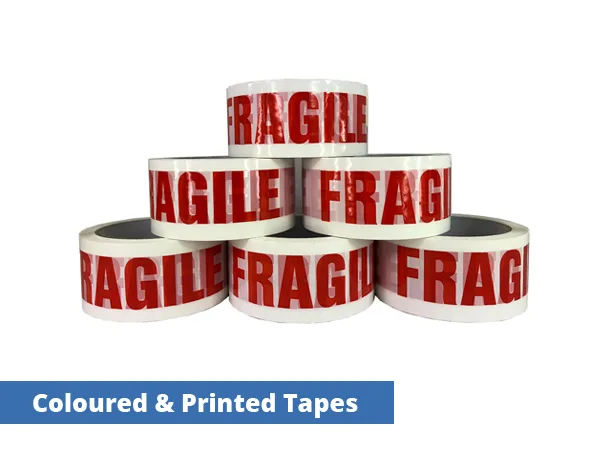
Choosing the right tape doesn’t only safeguard what’s inside; it also makes everything look more professional, more finished, like, you know, properly done.
How Printed Tapes Add Extra Value
More and more modern businesses are increasingly using printed tapes in their packaging plan, almost like a quiet add-on that still matters. These customised tapes show things like company logos, branding notes, or handling guidance straight onto the package itself.
On the surface, it looks like printed tape is only about branding. But that’s only half the story, because it brings practical advantages too, even if people don’t notice them right away. To begin with, printed tapes help with package security. Because the tape is customised and visibly marked, any tampering becomes harder to miss, so theft or unauthorised opening is less likely during transport.
After that, there’s brand recognition. Each parcel that leaves your warehouse acts like a small moving billboard for your business. Customers spot the branded wrapping immediately, and the whole unboxing moment feels more memorable, not just “different” but kind of intentional. And last, printed tapes can communicate key handling information, like “Fragile”, “Handle with Care”, and “Do Not Stack”. So, couriers and warehouse staff are more likely to treat the package gently, which means less breakage and better outcomes overall.
The Connection Between Packaging and Customer Satisfaction
A lot of people end up judging a business by the condition the package is in when it arrives. Even when the actual item inside is truly great, damaged or weirdly presented packaging can give a bad first impression right away.
Protective packaging has a real effect on customer satisfaction in a few different ways, kind of quietly but consistently:
- Fewer returns and fewer complaints.
When items show up cracked or defective, businesses end up handling costly returns, and the buyer is left frustrated. Strong packaging reduces the odds that products arrive broken or malfunctioning in the first place. - A nicer unboxing moment.
Packaging that is designed well tends to feel more exciting and professional. Customers notice when a company takes time to use solid materials and good, secure sealing solutions, not just random wraps. - More brand trust over time.
Safe, dependable deliveries help customers feel confident. If orders keep arriving intact, people are more likely to reorder later and tell other people about the brand.
In competitive markets, those small things matter more than you might think.
Final Thoughts
In an era where customer expectations are higher than ever, protective packaging has become an essential part of business success. With the basic wrapping for safeguarding products, it also protects brand reputation and reduces financial losses. Every component of tough packaging materials helps guard the items throughout the entire supply chain, from the packing desk to the final doorstep.
By investing in high-quality packaging solutions, businesses are not only protecting their products but also building stronger relationships with their customers.