Dental implants have become one of the most trusted solutions for replacing missing teeth. They offer stability, improved function and a natural appearance that closely resembles real teeth. However, deciding whether implants are the right option involves more than simply replacing a missing tooth.
Patients researching Dental Implants Sydney often want to understand what factors should be considered before starting treatment. Implant dentistry is highly personalised, and successful outcomes depend on careful planning, oral health condition and long-term maintenance.
Clinics such as Bigger Smiles focus on helping patients make informed decisions by explaining the treatment process clearly and assessing each case individually.
Before committing to implant treatment, here are the key factors worth considering.
Understanding What Dental Implants Are
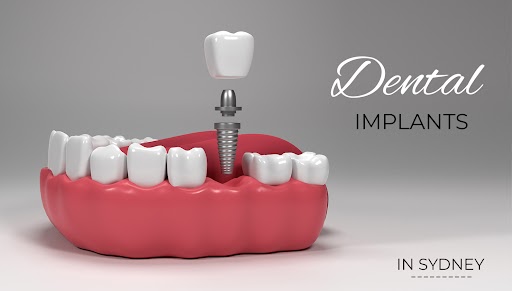
Dental implants are artificial tooth roots usually made from titanium. They are placed into the jawbone to support replacement teeth such as crowns, bridges or dentures.
A typical implant system includes:
- The implant post placed in the jawbone
- An abutment connecting the implant to the restoration
- A custom-made crown or prosthetic tooth
Because implants replace both the root and visible portion of the tooth, they function more like natural teeth compared with removable alternatives.
Your Overall Oral Health Matters
Before recommending implants, dentists first assess overall oral health.
This usually involves checking:
- Teeth and gum condition
- Existing dental restorations
- Signs of infection or decay
- Bite alignment
Healthy gums and surrounding teeth create a more stable environment for implant treatment.
If gum disease or untreated decay is present, treatment may be recommended before implants are placed.
At Bigger Smiles, preventive care and long-term oral health planning are considered an important part of implant treatment.
Bone Density and Jawbone Health
One of the most important factors in implant success is bone quality.
Dental implants rely on strong jawbone support to remain stable. After a tooth is lost, the surrounding bone may gradually shrink because it no longer receives stimulation from the tooth root.
Dentists usually evaluate:
- Bone density
- Bone thickness
- Jaw structure
- Available space for placement
If there is insufficient bone, additional procedures may sometimes be needed, including:
- Bone grafting
- Guided bone regeneration
- Sinus lift procedures
Patients considering Dental Implants Sydney are often advised that early treatment can help reduce bone loss and improve treatment options.
Understanding the Implant Process
Some patients expect implants to be completed quickly, but treatment generally occurs over several stages.
The process commonly includes:
- Initial consultation and assessment
- Diagnostic imaging and planning
- Implant placement surgery
- Healing and bone integration
- Placement of the final crown or restoration
The healing phase is particularly important because the implant must fuse with the jawbone before the final restoration is attached.
Understanding the treatment timeline helps patients prepare realistically.
Diagnostic Imaging and Planning
Modern implant dentistry relies heavily on accurate diagnostics.
Sydney dentists often use:
- Digital X-rays
- Three-dimensional scans
- Intraoral imaging systems
These tools help evaluate:
- Bone structure
- Nerve locations
- Implant positioning
- Bite alignment
Detailed imaging improves treatment accuracy and helps reduce complications.
Clinics such as Bigger Smiles use advanced diagnostics to create personalised treatment plans based on each patient’s oral health condition.
Single Tooth vs Multiple Tooth Replacement
Dental implants can be used in different ways depending on how many teeth need replacement.
Single Tooth Implant
Used when one tooth is missing and neighbouring teeth are healthy.
Implant Supported Bridges
Used to replace several missing teeth using fewer implants.
Full Mouth Implant Solutions
Designed for patients missing most or all teeth.
The number of implants required affects treatment complexity, planning and recovery.
Lifestyle Habits Can Affect Implant Success
Certain lifestyle factors may influence healing and long-term implant stability.
Smoking is one of the most significant factors because it may:
- Slow healing
- Reduce blood flow to gum tissue
- Increase infection risk
Other factors such as poor diet or unmanaged health conditions may also affect recovery.
Patients researching Dental Implants Sydney are often encouraged to maintain healthy habits before and after treatment to support long-term outcomes.
Oral Hygiene Is Essential
Dental implants still require proper oral hygiene even though they are artificial teeth.
Poor oral care may lead to:
- Gum inflammation around implants
- Bone loss
- Implant instability
Patients should continue:
- Brushing twice daily
- Cleaning between teeth
- Attending regular dental check-ups
- Following professional cleaning recommendations
Maintaining healthy gums helps support implant longevity.
Bite Alignment and Teeth Grinding
Bite pressure plays an important role in how implants function over time.
If excessive force is placed on implants, it may affect surrounding bone and restorations.
Teeth grinding, also known as bruxism, can increase the risk of:
- Implant strain
- Crown wear
- Jaw discomfort
Sydney dentists usually assess bite alignment carefully before treatment begins.
Protective appliances may sometimes be recommended for patients who grind their teeth during sleep.
Costs and Long-Term Value
One of the most common questions patients ask involves pricing.
The cost of implant treatment may vary depending on:
- Number of implants required
- Bone condition
- Type of restoration
- Additional procedures needed
Although implants may involve a higher initial investment than some alternatives, many patients choose them because they offer:
- Stable tooth replacement
- Long-term durability
- Jawbone preservation
- Natural function and appearance
Patients considering Dental Implants Sydney often compare implants with bridges or dentures before making a final decision.
Choosing the Right Dental Team
Dental implant treatment requires detailed planning and clinical experience.
Patients should look for clinics that focus on:
- Comprehensive consultations
- Clear communication
- Long-term treatment planning
- Preventive aftercare
Clinics such as Bigger Smiles focus on patient education and personalised care throughout the implant process.
Choosing experienced professionals helps improve treatment accuracy and long-term results.
Recovery and Healing Expectations
Healing after implant surgery varies between patients.
Factors affecting recovery may include:
- Bone quality
- Overall health
- Smoking habits
- Complexity of treatment
Following aftercare instructions carefully supports better healing and implant integration.
Patients should also understand that successful implant treatment takes time and patience.
Long-Term Maintenance Matters
Dental implants are designed for long-term function, but maintenance remains important.
Patients should continue:
- Routine dental visits
- Professional cleaning appointments
- Monitoring gum health
- Maintaining daily oral hygiene habits
Preventive care helps protect both implants and surrounding natural teeth.
Bigger Smiles and Patient-Focused Implant Care
Clinics like Bigger Smiles focus on helping patients understand every stage of implant treatment before making decisions.
Their approach includes:
- Detailed consultations
- Advanced imaging and diagnostics
- Personalised treatment plans
- Ongoing support and maintenance
This patient-focused process helps individuals feel more confident throughout treatment.
Final Thoughts
Dental implants can provide a stable and natural-looking solution for missing teeth, but deciding to proceed with treatment requires careful consideration.
Patients researching Dental Implants Sydney should understand the importance of bone health, gum condition, treatment planning and long-term maintenance before making a decision.
By working with experienced providers such as Bigger Smiles, patients receive personalised guidance designed to support long-term oral health and successful implant outcomes.
Dental implants are more than a cosmetic procedure. They are a long-term investment in comfort, confidence and everyday quality of life.