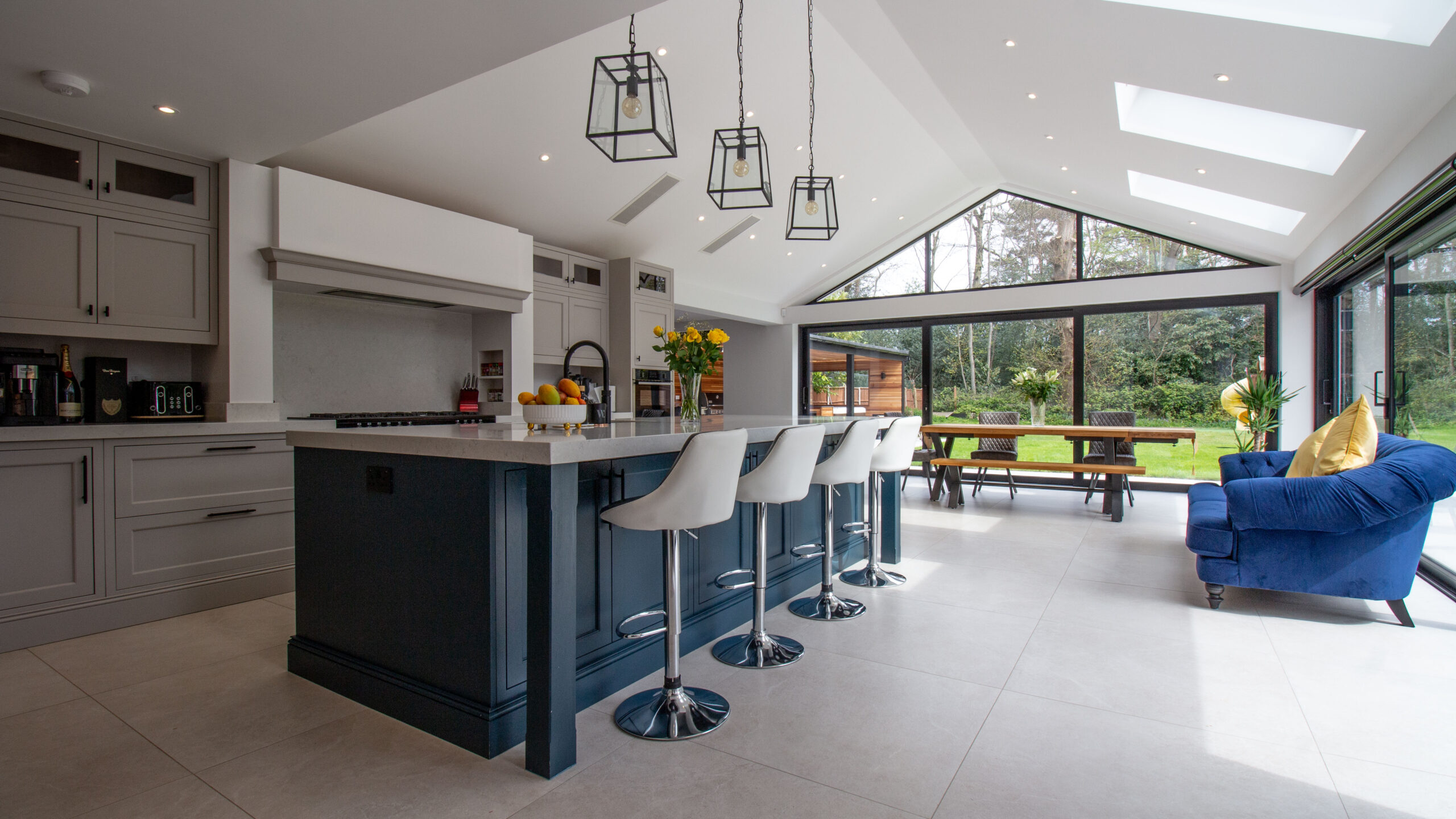
If you have ever managed a building project in London, you already know how fast things can fall apart when the design team and builders are not working together. Miscommunication, delays, budget surprises, and last minute changes are problems that come up again and again. But more homeowners and architects across the city are now choosing a different path. At London Design and Build, we handle both the design and the construction under one roof, and the difference it makes to a project is significant.
Whether you are planning a home extension, a loft conversion or a full renovation, having one team responsible for everything from the first sketch to the final finish just makes the whole process easier. Less back and forth, fewer misunderstandings, and a much clearer picture of what your project will actually cost.
What an Integrated Design and Build Approach Actually Means
In the traditional setup, an architect draws up the plans and then a separate contractor is brought in to build them. That handover point is where most projects start going wrong. The contractor was not involved in the design, so they might flag problems that could have been avoided earlier. Costs shift. Timelines stretch. And the homeowner ends up managing two separate parties who have different priorities.
An integrated approach removes that gap entirely. The same team designs and builds your project. They understand every detail of the plans because they created them. The pricing is based on real build costs, not estimates made from a drawing. And there is one point of contact throughout, which makes communication a lot simpler.
Why This Works So Well for London Homes Specifically
London is not a straightforward place to build. You are often working on Victorian or Edwardian properties with older structures, shared walls, and limited space. Planning rules vary across different boroughs. Conservation area restrictions, permitted development limits, and party wall agreements all need to be handled carefully.
When the designer and builder are the same team, these complications get picked up early. If you are planning a double storey extension in London, the structural requirements and planning considerations are factored in during the design phase, not after the work has already started. That kind of joined up thinking saves time and money.
Budget Certainty From the Start
One of the most common frustrations homeowners have with building projects is that the final cost ends up being quite different from what they were first quoted. This usually happens because the person doing the estimating was not the same person who designed the project or who is actually doing the build.
With an integrated team, the builder is involved from the beginning. They know exactly what the project involves, where the tricky parts are, and what materials are needed. So the price you agree on at the start reflects the real cost of doing the work. There are still unexpected things that can come up on any building site, but the gap between estimate and final invoice is much smaller.
How Timelines Improve When One Team Is Responsible
Separate design and build teams spend a lot of time briefing each other. The architect has to explain decisions to the contractor. The contractor asks questions the architect has to go back and answer. That back and forth adds weeks to a project without anyone really noticing until the delay has already happened.
When design and build sit within the same team, that briefing process does not exist. Everyone already knows the project. Construction can begin without a slow settling in period. Materials can be ordered earlier because the team knows what is coming. And if something needs to change on site, the decision gets made quickly rather than waiting for approval from a separate party.
Planning Applications and Permitted Development
Getting planning right first time is important. A poorly prepared application can delay a project by months. When your design team is also handling the build, they have every reason to make sure the planning submission is accurate and well prepared. They are not going to design something that cannot be built or approved.
If your project falls within permitted development limits, the team can confirm that early and move straight into construction without the wait. If full planning permission is needed, the drawings and documents are prepared by people who understand how the building will actually go together, which tends to result in a stronger application.
Choosing the Right Team for Your London Project
Not every company that uses the words design and build operates in a truly integrated way. Some have an in house architect who draws plans before passing the project to a separate construction crew. Real integration means the designers and builders are in daily contact, share responsibility for the outcome, and treat the whole project as one continuous process.
Ask any team how they handle changes during construction, who your main contact is throughout the project, and how they deal with unexpected costs on site. The answers will quickly show you whether they are genuinely integrated or just using the term as a marketing label.