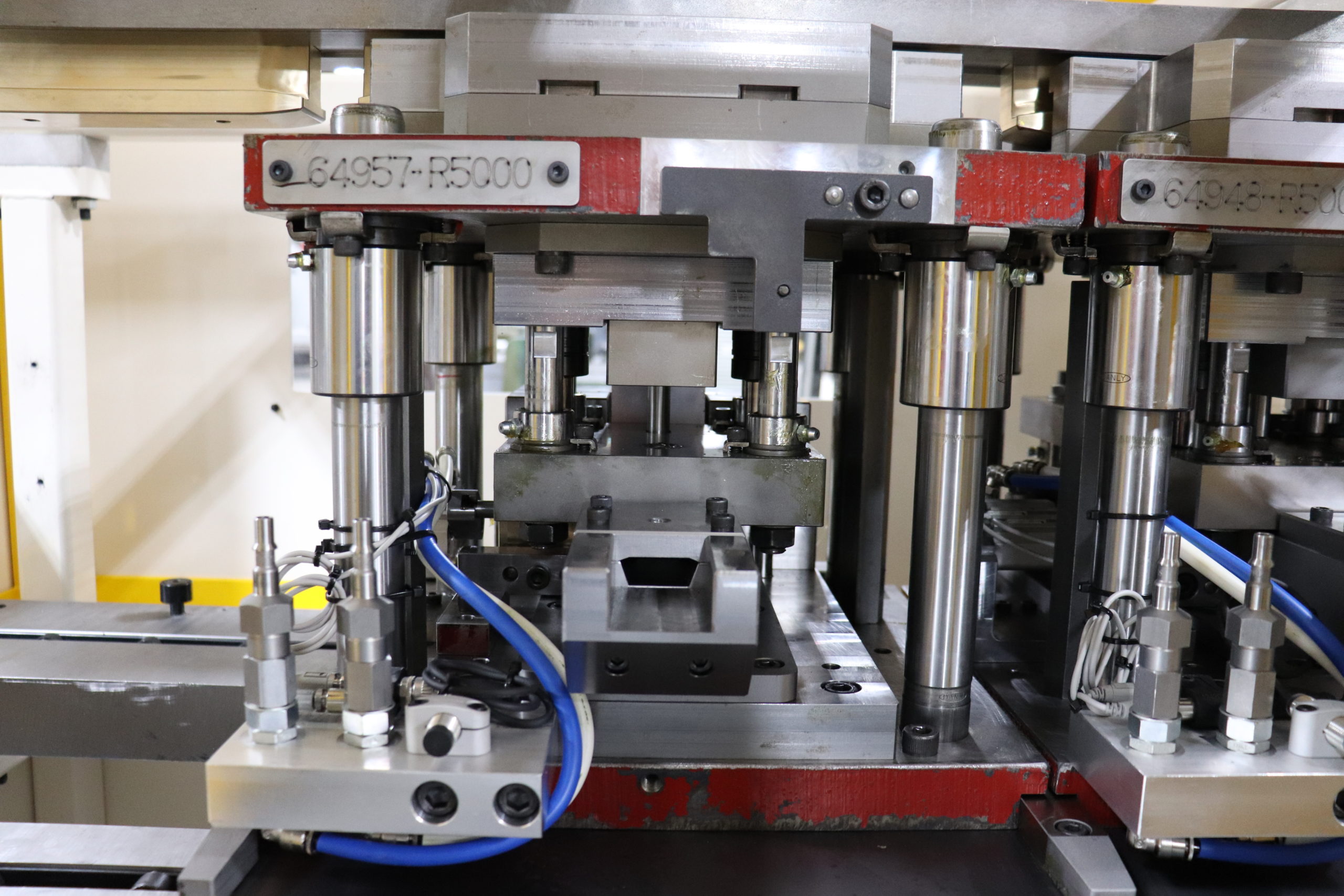
Modern manufacturing is evolving rapidly, and businesses are constantly searching for smarter ways to improve productivity, reduce costs, and maintain consistent product quality. One of the most effective solutions transforming industrial production is the use of automated press systems. These advanced machines streamline manufacturing processes, improve operational efficiency, and help companies stay competitive in demanding industries. Businesses investing in Automated Presses are seeing major improvements in production speed, workplace safety, and product accuracy across various manufacturing sectors.
What Are Automated Presses?
Automated presses are advanced industrial machines designed to perform pressing, stamping, forming, punching, and assembly operations with minimal human involvement. Unlike traditional manual systems, automated presses use computer-controlled technology, robotics, and precision engineering to complete repetitive tasks efficiently and accurately.
These systems are commonly used in industries such as automotive manufacturing, aerospace, electronics, metal fabrication, and consumer goods production. Automated solutions help manufacturers improve workflow while maintaining high-quality output throughout the production process.
Increased Production Efficiency
One of the biggest advantages of automated presses is their ability to increase production efficiency significantly. Manual manufacturing processes often involve delays, inconsistencies, and human fatigue, which can reduce productivity over time.
Automated systems operate continuously with high precision and minimal downtime. They complete repetitive tasks faster than manual labor while maintaining consistent performance throughout long production cycles. This allows manufacturers to produce higher volumes in less time without sacrificing quality.
Businesses using modern Automated Presses can meet growing production demands more effectively while reducing workflow interruptions and operational inefficiencies.
Improved Product Consistency
Consistency is essential in manufacturing, especially in industries where precision matters. Manual operations can sometimes lead to uneven results due to human error or fatigue.
Automated press systems eliminate many of these issues by following programmed instructions with extreme accuracy. Each product is manufactured according to the same specifications, ensuring consistent size, shape, pressure, and quality throughout production.
This level of consistency improves customer satisfaction while reducing defective products and material waste.
Reduced Manufacturing Costs
Although automated systems require an initial investment, they often reduce long-term manufacturing costs significantly. Businesses save money through improved efficiency, lower labor expenses, reduced material waste, and fewer production errors.
Automated presses can perform multiple tasks quickly and accurately, reducing the need for large manual workforces. They also minimize costly production downtime caused by mistakes or inconsistent processes.
Over time, these savings help manufacturers improve profitability and gain a stronger competitive advantage within their industry.
Enhanced Workplace Safety
Manufacturing environments often involve heavy machinery, repetitive movements, and potentially dangerous equipment. Manual press operations can expose workers to risks such as injuries, fatigue, and accidents.
Automated systems improve workplace safety by reducing direct human interaction with hazardous machinery. Advanced sensors, emergency stop functions, and safety guards help protect workers during production operations.
Using automated technology also reduces repetitive strain injuries caused by continuous manual labor. Safer workplaces lead to improved employee morale and lower accident-related costs for businesses.
Higher Precision and Accuracy
Precision is critical in modern manufacturing, especially in industries like aerospace, automotive, and electronics where even small errors can create serious problems.
Automated press systems are designed to deliver highly accurate results with minimal variation. Computer-controlled settings allow manufacturers to maintain exact measurements and pressure levels throughout production.
This improved precision reduces product defects, improves overall quality, and helps manufacturers meet strict industry standards and customer expectations.
Faster Production Speeds
Speed is another major advantage of automation. Traditional manufacturing methods can be time-consuming, especially when handling repetitive tasks manually.
Automated presses complete production cycles much faster while maintaining consistent quality. This increased speed allows businesses to fulfill large orders more efficiently and respond quickly to market demands.
Faster production also improves delivery times, helping manufacturers maintain strong relationships with customers and suppliers.
Reduced Material Waste
Material waste can become a major expense in manufacturing operations. Manual production methods sometimes result in inconsistent cuts, incorrect measurements, or defective products that must be discarded.
Automated systems improve material usage by maintaining precise control throughout the manufacturing process. Accurate programming reduces unnecessary waste while ensuring raw materials are used efficiently.
Manufacturers that prioritize sustainability and cost control often benefit greatly from implementing automation technology.
Better Integration with Smart Manufacturing
Modern factories are increasingly adopting smart manufacturing technologies to improve operational efficiency and data management. Automated presses integrate easily with digital production systems, robotics, and industrial software platforms.
This integration allows manufacturers to monitor machine performance, track production data, and identify maintenance needs in real time. Smart automation improves decision-making and helps businesses optimize their manufacturing processes more effectively.
Companies investing in connected production systems gain greater control over their operations while improving long-term productivity.
Lower Downtime and Maintenance Issues
Unexpected downtime can disrupt production schedules and reduce profitability. Automated press systems are designed for reliability and consistent performance, helping reduce operational interruptions.
Many modern systems include predictive maintenance features that monitor machine conditions and alert operators before major problems occur. This proactive approach helps businesses address maintenance issues early and avoid costly breakdowns.
Reliable machinery improves workflow stability and ensures smoother manufacturing operations over time.
Improved Scalability for Growing Businesses
As businesses grow, production demands often increase rapidly. Manual systems may struggle to keep up with higher workloads, leading to delays and operational challenges.
Automated presses make it easier for manufacturers to scale production efficiently. Companies can increase output without significantly expanding labor requirements or sacrificing product quality.
This flexibility supports business growth while helping manufacturers remain competitive in changing markets.
Energy Efficiency Benefits
Energy consumption is a major concern for modern manufacturers looking to reduce operating costs and improve sustainability. Many advanced automated press systems are designed with energy-efficient technologies that reduce power consumption during operation.
Servo-driven systems, smart controls, and optimized production cycles help minimize unnecessary energy use while maintaining high performance levels.
Lower energy costs contribute to long-term savings and support environmentally responsible manufacturing practices.
Improved Employee Productivity
Automation does not eliminate the need for skilled workers. Instead, it allows employees to focus on higher-value tasks that require problem-solving, supervision, and technical expertise.
By reducing repetitive manual labor, automated presses improve employee productivity and job satisfaction. Workers can spend more time monitoring systems, improving quality control, and managing production processes instead of performing physically demanding repetitive tasks.
This creates a more efficient and skilled workforce overall.
Greater Competitive Advantage
Manufacturers that invest in automation often gain a strong competitive edge within their industry. Faster production, higher quality, lower costs, and improved efficiency allow businesses to deliver better results to customers.
Companies using advanced Automated Presses are better positioned to handle large-scale projects, meet strict deadlines, and adapt to changing market demands quickly.
Automation also helps businesses maintain consistency while improving their reputation for quality and reliability.
Applications of Automated Presses Across Industries
Automated presses are used across a wide range of industries because of their versatility and efficiency. Common applications include:
- Metal stamping
- Automotive part manufacturing
- Electronics assembly
- Aerospace component production
- Packaging manufacturing
- Plastic forming
- Industrial fabrication
Their flexibility makes them valuable for both high-volume manufacturing and precision production environments.
How to Choose the Right Automated Press System
Selecting the right automated press depends on several factors, including:
- Production volume
- Material type
- Required precision
- Available floor space
- Integration needs
- Budget and long-term goals
Manufacturers should work with experienced automation specialists who understand their industry requirements and production challenges. Choosing the right system helps maximize efficiency and return on investment.
The Future of Automated Manufacturing
Automation continues to shape the future of manufacturing as businesses adopt smarter and more efficient technologies. Artificial intelligence, robotics, and machine learning are expected to further improve automated press systems in the coming years.
Future manufacturing environments will likely become even more connected, efficient, and data-driven. Businesses that embrace automation today will be better prepared for future industry advancements and evolving customer demands.
Conclusion
Automated presses are transforming modern manufacturing by improving efficiency, precision, safety, and scalability. From reducing production costs to increasing output and minimizing waste, these advanced systems offer valuable benefits for businesses across multiple industries.
Companies investing in professional Automated Presses solutions can improve product quality, streamline operations, and remain competitive in today’s fast-paced manufacturing environment. As automation technology continues to evolve, manufacturers that adopt advanced press systems will be well-positioned for long-term success and sustainable growth.