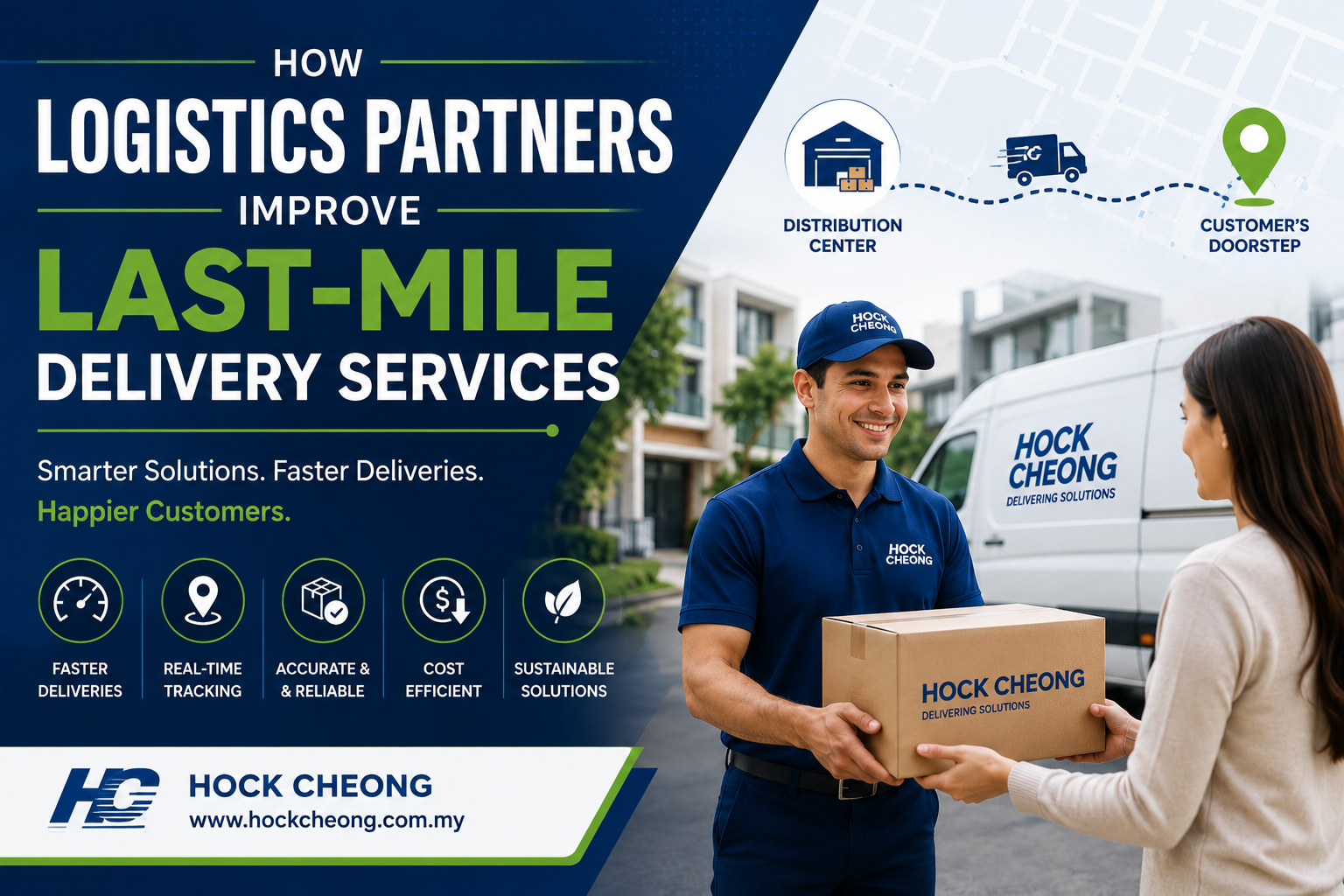
Last-mile delivery has become one of the most important aspects of the logistics and transportation industry. It refers to the final stage of the delivery process, where goods are transported from a distribution center or warehouse directly to the customer’s location. In today’s fast-paced digital marketplace, customers expect quick, accurate, and reliable deliveries. As a result, businesses are increasingly relying on logistics partners to improve their last-mile delivery services and maintain customer satisfaction.
The growth of e-commerce has significantly increased the demand for efficient last-mile delivery solutions. Consumers now expect same-day or next-day delivery options, real-time tracking, and flexible delivery schedules. Meeting these expectations can be challenging for businesses that lack the infrastructure, technology, or expertise required for efficient logistics management. This is where experienced logistics partners play a crucial role.
One of the biggest advantages of working with logistics partners is improved delivery speed. Logistics providers have established transportation networks, advanced route planning systems, and experienced delivery teams that help businesses streamline their delivery operations. By optimizing delivery routes and reducing transit times, logistics partners can ensure faster deliveries while minimizing operational costs. Efficient route management also helps reduce fuel consumption and improve overall delivery performance.
Technology is another key factor that allows logistics partners to enhance last-mile delivery services. Modern logistics companies use GPS tracking, artificial intelligence (AI), and real-time monitoring systems to improve visibility throughout the delivery process. Customers can receive accurate updates about the status of their shipments, estimated delivery times, and potential delays. Real-time tracking not only improves customer confidence but also allows businesses to respond quickly to delivery issues before they become major problems.
Logistics partners also help businesses manage increasing order volumes during peak seasons and high-demand periods. Events such as holiday sales, festive shopping seasons, and promotional campaigns often create sudden spikes in customer orders. Without proper logistics support, businesses may struggle to fulfill deliveries on time. Logistics partners provide scalable delivery solutions that allow businesses to handle fluctuating demand efficiently while maintaining service quality.
Another important benefit of logistics partnerships is improved delivery accuracy. Incorrect deliveries, damaged products, and delayed shipments can negatively impact customer satisfaction and brand reputation. Logistics providers use advanced warehouse management systems, barcode scanning, and automated sorting technologies to reduce errors in the fulfillment process. These systems help ensure that the correct products are delivered to the right customers at the right time.
Customer experience has become a major competitive factor in modern business operations, and last-mile delivery plays a significant role in shaping that experience. Logistics partners help businesses provide flexible delivery options such as scheduled deliveries, contactless delivery services, and alternative pickup locations. These customer-focused services improve convenience and increase overall satisfaction. Businesses that offer reliable and flexible delivery experiences are more likely to retain customers and build long-term loyalty.
Cost efficiency is another reason businesses choose to work with logistics partners. Managing an in-house delivery fleet can be expensive due to vehicle maintenance, fuel costs, labor expenses, and technology investments. Logistics providers already have the necessary infrastructure and operational systems in place, allowing businesses to reduce overhead costs. Outsourcing last-mile delivery operations enables companies to focus more on their core business activities while leaving transportation management to experienced professionals.
Sustainability is also becoming increasingly important in last-mile delivery operations. Many logistics partners are investing in environmentally friendly practices to reduce carbon emissions and improve energy efficiency. Electric delivery vehicles, route optimization software, and eco-friendly packaging solutions are helping logistics providers build greener transportation systems. Businesses that partner with sustainable logistics companies can improve their environmental responsibility while meeting the growing expectations of eco-conscious consumers.
Urbanization and traffic congestion continue to create challenges for last-mile delivery services. Delivering products quickly in crowded cities requires careful planning and efficient transportation strategies. Logistics partners use advanced analytics and smart delivery systems to overcome these challenges. Some companies are also adopting micro-fulfillment centers and local distribution hubs located closer to customers, allowing faster deliveries and reduced transportation distances.
The use of automation and innovative technologies is further improving last-mile delivery efficiency. Autonomous delivery vehicles, drones, and robotic delivery systems are gradually becoming part of the logistics industry. Although these technologies are still developing, they have the potential to reduce delivery times, lower labor costs, and improve operational efficiency in the future. Logistics partners that invest in innovation can provide businesses with more advanced and competitive delivery solutions.
Data analytics is another valuable tool used by logistics partners to improve last-mile performance. By analyzing customer behavior, delivery patterns, and traffic conditions, logistics providers can identify areas for improvement and optimize their operations. Data-driven decision-making helps businesses improve delivery reliability, reduce failed delivery attempts, and enhance overall supply chain performance.
In addition to operational benefits, logistics partners also help businesses expand into new markets. Companies looking to serve customers in different cities, regions, or countries often face logistical challenges related to transportation infrastructure and local regulations. Experienced logistics providers already have established networks and local expertise, making market expansion more efficient and cost-effective.
The future of last-mile delivery will continue to evolve as customer expectations and technology advance. Businesses that invest in strong logistics partnerships will be better positioned to meet changing market demands and maintain a competitive advantage. Fast, transparent, and reliable delivery services are no longer optional—they have become essential components of modern customer satisfaction.
In conclusion, logistics partners play a vital role in improving last-mile delivery services by enhancing speed, accuracy, flexibility, and cost efficiency. Through advanced technology, optimized transportation networks, and scalable delivery solutions, logistics providers help businesses deliver better customer experiences while reducing operational challenges. As e-commerce and consumer expectations continue to grow, strong logistics partnerships will remain essential for businesses seeking long-term success in the competitive marketplace.