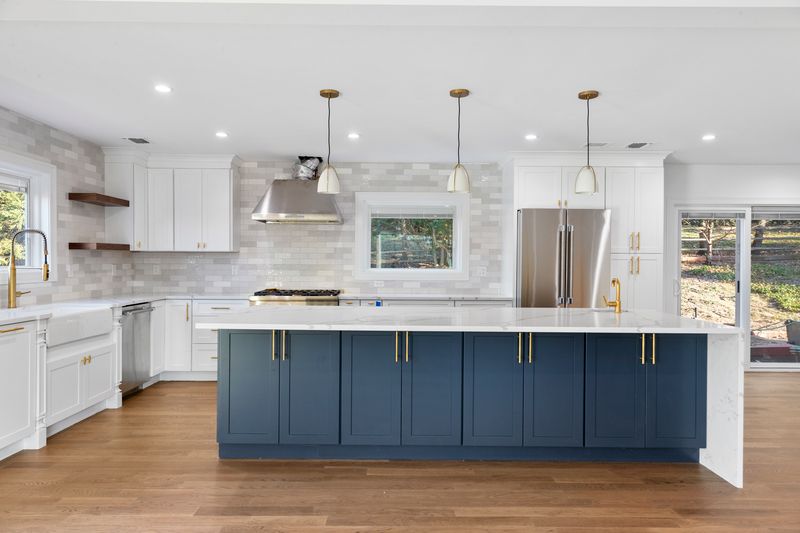
Whole House Remodeling NJ: What Most Homeowners Wish They Knew Before They Start
A full-home renovation sounds exciting at first. Better flow. Brighter rooms. More storage. A home that finally works the way it should.
But once the project begins, many homeowners realize the hardest part is not picking tile, paint, or fixtures. It is making the right decisions in the right order.
That is where many projects go off track.
A whole house remodeling NJ project is not just a group of room updates. It is one connected system. Every change affects something else, from layout and lighting to plumbing, structure, scheduling, and permits. In New Jersey, that process can become even more complex because many homes are older, have past additions, or include outdated systems hidden behind finished walls.
That is why homeowners often say the same thing after a major renovation: they wish they had spent more time getting clear before work started.
For anyone researching home remodeling services New Jersey, that is the most valuable lesson to understand early. The success of a major remodel is usually decided long before demolition begins.
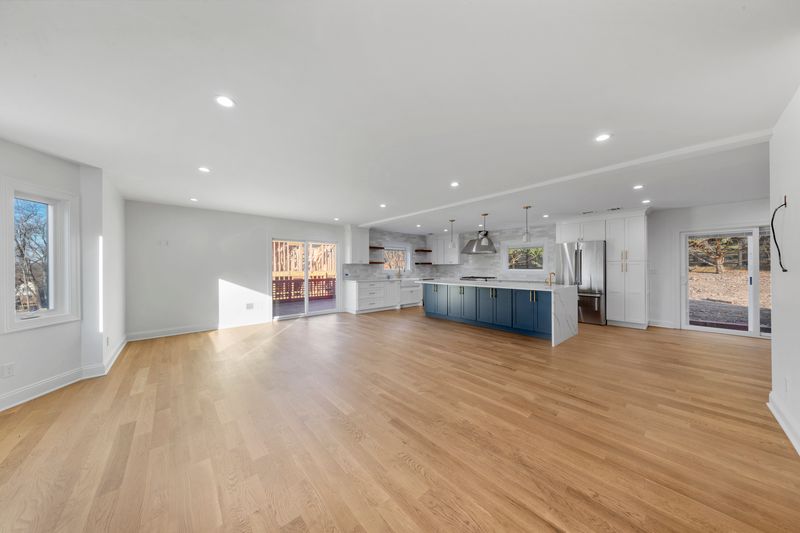
Why a Full-Home Remodel Feels Different
A kitchen remodel is focused. A bathroom renovation is more contained. A full-home remodel is different because everything is connected.
When an entire home is being updated, planning has to account for:
- room-to-room flow
- storage needs
- natural light
- utility coordination
- structural limits
- daily family routines
- construction sequencing
- permit-related work
That is why whole-house remodeling in NJ requires a wider view. The goal is not only to improve separate rooms. The goal is to make the home work better as one complete living environment.
When that bigger picture is missing, homeowners can end up with a house that looks newer but still feels awkward to live in.
Start With Function, Not Finishes
One of the most common mistakes in whole-house remodeling NJ is starting with visual inspiration before the layout is solved.
Finishes matter, but they should support the plan, not lead it.
The strongest remodels usually begin by identifying what is not working in daily life. That may include cramped circulation, poor storage, dark interiors, disconnected living spaces, or rooms that no longer match the household’s needs.
A better planning sequence looks like this:
- Define the biggest problems in the current layout
- Rank the non-negotiable changes
- Review structural and code-related limits
- Map how rooms should connect
- Confirm the full scope before choosing materials
- Select finishes after the floor plan is working well
This order gives the project direction. More importantly, it helps prevent one of the biggest causes of regret in major renovations: choosing beautiful finishes for a layout that still does not function well.
Planning Before Demolition Matters More Than Most People Expect
A polished result usually comes from careful preparation, not fast demolition.
That is especially true in whole house remodeling NJ, where many homes come with age, quirks, and years of patchwork changes. Behind finished walls, older homes may hide uneven framing, outdated electrical work, aging plumbing, hidden water damage, or past additions that changed the original structure.
Those issues do not make renovation a bad idea. They simply make early planning more important.
Before construction starts, homeowners should get clear on a few things:
Daily living patterns: How does the household actually use the home now? Where do mornings feel crowded? Which areas stay underused? Where does clutter build up?
Future lifestyle needs: Will the home need to support remote work, aging parents, older children, guests, or more privacy in the years ahead?
Real problem areas: Some issues are visual. Others are functional. Knowing the difference helps define the right scope.
Key decisions that cannot wait: Openings, circulation paths, utility moves, and room relationships should be addressed before work begins, not during it.
Homeowners searching for home remodeling services often focus first on who can build. A better first question is who can help shape the project clearly before construction begins.
Scope Creep Usually Starts Small
Scope creep rarely arrives in one dramatic moment. It usually starts with small changes that seem harmless at first.
A wall moves. A mudroom gets added. A bathroom layout changes. A room expands. A ceiling detail is introduced after framing plans are already discussed.
On a full-home renovation, those changes can affect much more than one room. They may change approvals, sequencing, design coordination, and how multiple trades need to work together.
That is why whole house remodeling NJ projects need clear documentation from the start.
Warning Signs of Scope Creep
- Major decisions are still being debated after planning is supposedly complete
- Changes are discussed verbally but not written down
- One room keeps changing without reviewing the effect on the full layout
- New ideas are added without checking timing or project impact
- Decisions are being made reactively instead of strategically
Change itself is not the problem. Good ideas can improve a project. The problem starts when changes are unmanaged.
Older New Jersey Homes Need Extra Review
Many New Jersey homes offer charm, mature neighborhoods, and long-term potential. They also often come with construction realities that deserve a careful review before a full-home remodel begins.
Older houses may include:
- aging wiring
- outdated plumbing lines
- uneven floors
- patched framing
- low ceiling areas
- hidden damage from older repairs
- additions that changed the original layout
This is one reason whole-house remodeling in NJ deserves a realistic and well-organized approach. The goal is not to expect problems everywhere. The goal is to leave room in the planning process to understand the house honestly.
Key Areas to Review Early
| Area | Why It Matters | What to Clarify |
| Layout flow | Poor room connection affects daily comfort | Does the new plan fix everyday frustration? |
| Structural conditions | Existing framing can shape design options | What limits should be resolved early? |
| Mechanical systems | Old systems may not match new demands | Should major systems be reviewed now? |
| Light and openness | Dark interiors affect how rooms feel | Can openings improve brightness and flow? |
| Storage | Good design fails without practical storage | Where will daily items actually go? |
This is where strong home remodeling services in New Jersey stand apart. The best teams do not just respond to what is visible on the surface. They study how the house works behind the walls and across the full plan.
Layout Decisions Usually Matter More Than Style Choices
Styles change. Family routines change, too. Good layout decisions usually hold their value much longer than trend-based finish choices.
That is why whole house remodeling NJ should be shaped around how the home will feel to live in every day, not just how it will look in photos once the work is finished.
Smart layout improvements often include:
- stronger connection between the kitchen, dining, and living areas
- better separation between active and quiet zones
- more useful entry and mudroom function
- improved laundry placement
- practical storage in everyday use areas
- better bathroom access for guests and family
- dedicated work or study areas when needed
Most homeowners will update paint colors, fixtures, or finishes again someday. A poor layout is much harder to fix later.
Communication Has a Bigger Impact Than Most Homeowners Expect
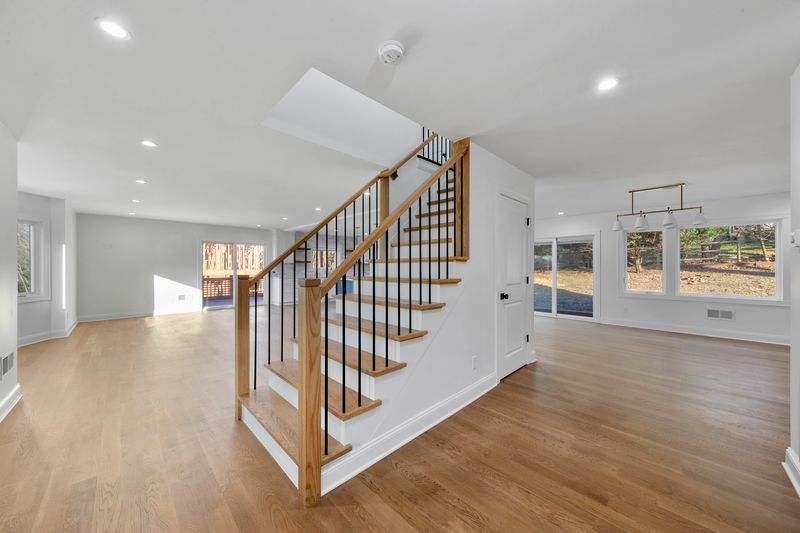
Many homeowners prepare for dust, disruption, and noise. Fewer people prepare for the number of decisions that come with a full-home renovation.
That is why communication affects the overall experience so much.
In large remodeling projects, clear communication often becomes the difference between a process that feels manageable and one that feels overwhelming.
Good communication usually includes:
- one active set of project documents
- written confirmation of changes
- regular check-ins with a clear purpose
- room-by-room review before work begins
- organized tracking of open questions
- decisions grouped by timing and priority
When comparing home remodeling services, communication systems deserve close attention. Great photos can attract interest, but organized communication is often what protects the homeowner’s experience once construction begins.
Questions to Ask Before Moving Forward
Before starting any major renovation, it helps to ask a few direct questions.
Is the real problem clearly defined? If the goal is still broad or vague, the scope will likely drift later.
Are priorities aligned? If more than one decision-maker is involved, the top goals should be agreed on early.
Is the home being treated as one connected system? Seeing each room as a separate mini-project often leads to disconnected results.
Has enough time been given to pre-construction planning? Rushing the front end usually creates avoidable issues once work starts.
Is the household ready for the pace of decisions? A full-home remodel involves many choices. Delayed decisions can affect momentum.
These questions help frame whole-house remodeling in NJ in a more grounded and practical way. They also help homeowners move forward with better judgment and fewer assumptions.
Final Takeaway
The best full-home renovations do not begin with demolition. They begin with clarity.
A well-planned remodel improves more than finishes. It improves comfort, movement, storage, light, and the way the home supports daily life. That is why many homeowners look back on major renovations and realize the most important work happened before construction ever started.
If you are considering whole house remodeling NJ, the smartest first step is to understand the home fully, define the real priorities, and make sure design, documentation, and construction are aligned from the beginning.
And if you are comparing home remodeling services New Jersey, look beyond before-and-after photos. Pay close attention to process, planning discipline, and communication. Those are often the things that shape the result most.
For homeowners who want a more organized path from concept to completion, speaking with a team like WA Construct can be a practical next step.
FAQs
1. How should homeowners prepare before starting a whole house remodeling NJ project?
Start by defining what is not working in the home and what must change. A clear plan early on helps prevent delays, confusion, and rushed decisions later.
2. How long does a whole-house remodeling project in NJ usually take?
The timeline depends on the size of the home, the scope of work, permit requirements, and how much planning is completed before construction starts. Full-home remodels often take longer than homeowners first expect because many parts of the house are interconnected.
3. Is it better to remodel the whole house at once or in phases?
That depends on the home’s condition, layout goals, and how much disruption the household can manage. In many cases, one coordinated remodel creates better flow and avoids repeated disruption.
4. What mistakes do homeowners make during a full-home renovation?
Common mistakes include starting without a complete plan, focusing on finishes too early, changing the scope too late, and making decisions without reviewing how one change affects the larger project.
5. What should homeowners look for in home remodeling services New Jersey?
Look for a team with a clear process, strong communication, thoughtful planning, and the ability to guide design and execution together. Good home remodeling services New Jersey should help bring structure and clarity to a complex project.