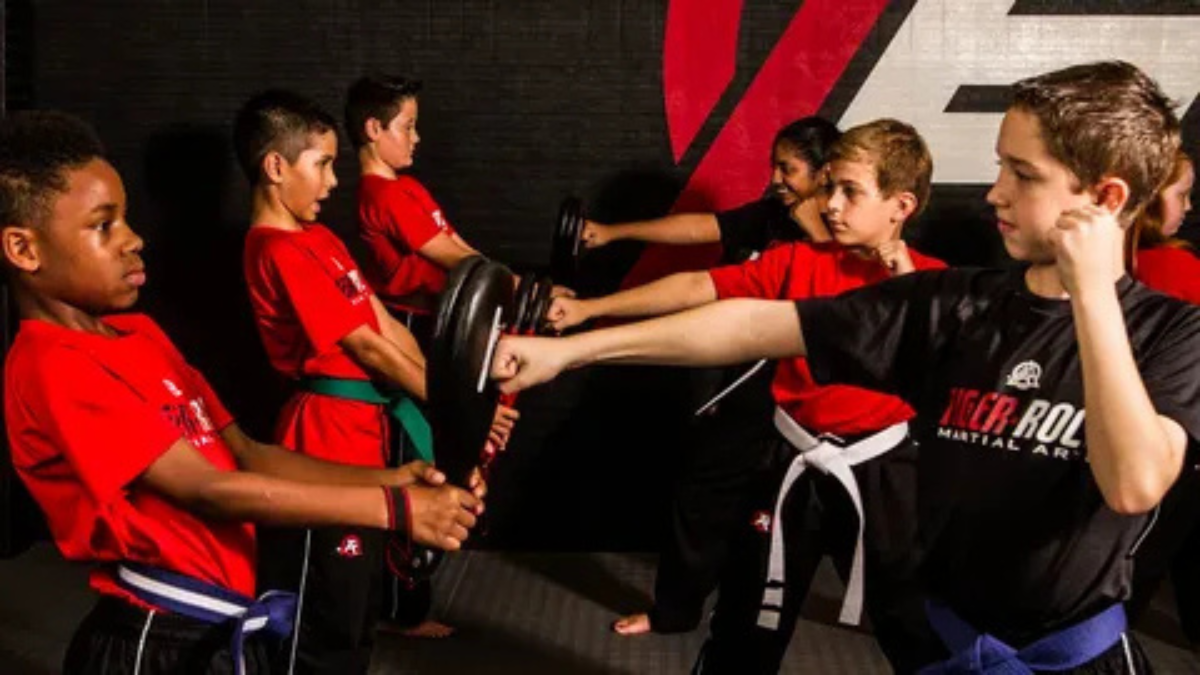
Parents across Dubai are increasingly turning to martial arts as a powerful way to support their children’s physical health, mental resilience, and emotional growth. Among the most effective and engaging options available today are kickboxing classes for kids. These programs go beyond simple fitness routines—they instill discipline, sharpen focus, and help young learners build self-confidence in a structured, supportive environment.
Unlike traditional sports that may emphasize competition over personal development, kickboxing for children balances skill-building with character growth. Trained instructors guide students through age-appropriate drills, teaching not only punches, kicks, and footwork but also values like respect, perseverance, and self-control. This holistic approach makes kickboxing classes for kids an ideal choice for parents who want more than just physical activity for their children.
Dubai offers a wide range of martial arts academies, but selecting the right program requires careful consideration. The best centers prioritize safety, use certified coaches, and tailor their curriculum to different age groups. For elementary-aged children, specialized instruction ensures movements are adapted to their motor skills and attention spans. Programs designed specifically for kickboxing for elementary students focus on coordination, balance, and basic techniques while maintaining a fun, game-based atmosphere that keeps kids engaged.
Why Enroll Your Child in Kickboxing Classes?
The benefits of youth kickboxing extend far beyond learning how to throw a punch. When children participate in regular training, they develop core strength, improve cardiovascular endurance, and enhance overall body coordination. These physical gains come hand-in-hand with significant mental advantages. Many parents report noticeable improvements in their child’s concentration, emotional regulation, and ability to handle stress after joining a consistent program.
One of the standout reasons families choose kids kickboxing classes is the emphasis on goal-setting and incremental progress. Students earn belts or milestones based on effort and mastery, reinforcing persistence and accountability. Unlike team sports where individual contributions can be overlooked, kickboxing allows each child to track personal growth in real time. This sense of achievement fosters confidence that often translates into better performance at school and in social settings.
Moreover, structured environments reduce exposure to sedentary habits. With screen time rising among younger demographics, offering a high-energy alternative helps counteract lifestyle-related health concerns. The dynamic nature of childrens kickboxing keeps participants active, alert, and physically challenged—without feeling like a chore.
Finding the Right Program in Dubai
When searching for kickboxing classes for kids in Dubai, location and facility quality matter. Parents should look for academies located in accessible areas with proper ventilation, clean training spaces, and safety-certified equipment. Class size is another crucial factor; smaller groups ensure personalized attention and reduce injury risk during sparring exercises.
Instructors play a pivotal role in shaping the experience. The best teachers combine technical expertise with strong communication skills, especially when working with younger minds. They know how to correct form without discouraging effort and maintain a positive tone throughout sessions. Observing a trial class can provide valuable insight into the teaching style and classroom dynamics before committing.
For those new to martial arts, kickboxing classes for beginners offer a gentle entry point. These introductory courses break down fundamental moves step by step, allowing children to build competence at their own pace. Coaches often incorporate games, partner drills, and non-contact exercises to ease newcomers into the routine while still promoting learning and engagement.
Age-Appropriate Training Matters
Not all kickboxing programs are created equal when it comes to catering to young learners. A well-designed curriculum adjusts intensity and content based on developmental stages. For instance, five- to seven-year-olds benefit from short, energetic circuits that blend movement with imaginative play. As children grow older, particularly between eight and twelve, instruction shifts toward technique refinement, strategy, and controlled sparring.
This progression ensures long-term retention and interest. It also minimizes burnout, which can occur if training feels too rigid or advanced too quickly. Centers offering kick boxing class for kids with tiered levels allow seamless transitions as students mature, both physically and mentally.
Another key aspect is parental involvement. Reputable gyms encourage open communication, providing updates on progress and hosting family events where parents can see what their children have learned. Some even offer workshops to help adults understand the basics so they can support practice at home.
Safety, Structure, and Long-Term Benefits
Safety protocols define the credibility of any martial arts academy. Proper warm-ups, supervised drills, and mandatory protective gear (like gloves and mouthguards) are standard in professional settings. Sparring, when introduced, is always light-contact and closely monitored. Instructors trained in pediatric fitness understand how to prevent overexertion and recognize signs of fatigue or discomfort early.
Beyond physical protection, emotional safety is equally important. A respectful dojo culture discourages bullying and promotes inclusivity. Children learn to bow, greet peers, and acknowledge opponents—small rituals that reinforce mutual respect. This environment nurtures emotional intelligence, helping kids manage conflict constructively rather than aggressively.
Long-term participation in kickboxing class for kids has been linked to improved academic behavior. Studies suggest that regular physical activity boosts brain function, particularly in areas related to memory and executive control. Teachers often notice that students involved in martial arts display greater attentiveness in class and demonstrate stronger problem-solving abilities.
Additionally, the confidence built through mastering challenging skills reduces anxiety and social hesitation. Shy or introverted children frequently become more vocal and assertive after months of consistent training. Rather than fostering aggression, quality programs teach restraint and situational awareness—valuable life skills in any context.
Getting Started Today
If you’re considering enrolling your child, start by researching local studios that specialize in youth programs. Look for testimonials, certifications, and class schedules that align with your family’s routine. Most centers offer free trial sessions, giving both parent and child a chance to assess compatibility.
Whether your goal is to improve fitness, boost confidence, or find a productive after-school activity, kickboxing classes for kids deliver measurable results. With expert coaching, a safe environment, and a balanced curriculum, these programs prepare children not just for challenges inside the ring—but for life beyond it.
Read more exciting blogs on bloggingwebs.com