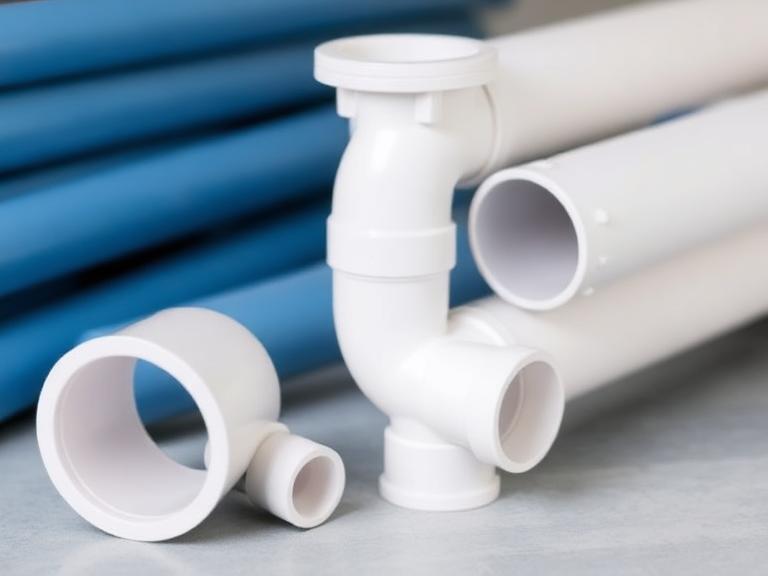
Modern construction demands reliability and efficiency, especially in plumbing infrastructure. For decades, builders relied on heavy metal pipes, but the industry has seen a massive shift toward more resilient materials. Today, high quality pprc pipes and fittings are recognized as the superior choice for residential and industrial water systems. Unlike traditional metal, these advanced plastic solutions offer a blend of durability, hygiene, and ease of installation that older materials simply cannot match.
The Decline of Metal Pipes in Plumbing
To understand why plastic has taken over, we must first look at the failures of traditional metal systems. Galvanized Iron (GI) and copper were once the standard for plumbing. While they were strong, they were not permanent. Over time, metal reacts with the oxygen and minerals found in water, leading to a variety of structural issues.
The Corrosion Problem
The biggest flaw in metal piping is oxidation. When metal is constantly exposed to water, it begins to rust from the inside out. This rust not only weakens the pipe wall but also contaminates the water supply with metallic particles. Eventually, these pipes develop pinhole leaks that can cause massive damage to the walls and foundations of a building.
Scaling and Blockages
Metal pipes have a relatively rough internal surface. This texture allows minerals like calcium and magnesium to stick to the walls, a process known as scaling. Over a few years, this buildup narrows the diameter of the pipe. This results in a significant drop in water pressure, making showers and appliances less effective.
Why PPRC is the Superior Alternative
Polypropylene Random Copolymer (PPRC) was engineered specifically to solve the problems that metal pipes could not. It is a thermoplastic material that combines physical strength with chemical stability. Here is why it has become the preferred choice for modern engineers.
1. Lifetime Resistance to Corrosion
Unlike metal, PPRC is entirely non-reactive. It does not rust, corrode, or decay when exposed to water, regardless of the pH level. This means the pipe stays as clean and strong on its fiftieth year as it was on its first day. For homeowners, this translates to a system that never needs to be replaced due to rust.
2. Smooth Internal Surface
The interior of PPRC pipes is incredibly smooth. This “low friction” surface ensures that water flows freely without any turbulence. Because the surface is so slick, it is impossible for limescale or minerals to attach to the walls. You get consistent water pressure throughout the lifespan of the building.
3. Thermal Insulation Properties
Metal is a conductor of heat, which is actually a disadvantage in plumbing. When hot water travels through a metal pipe, it loses heat very quickly to the surrounding air. PPRC has very low thermal conductivity. It acts as a natural insulator, keeping your hot water hot for longer periods and reducing the energy load on your water heater.
The Strength of Heat Fusion Joints
One of the most significant advantages of pprc pipes and fittings over metal is the way they are connected. Metal pipes rely on threads and sealants. These joints are often the first place a leak occurs because the threads can corrode or the sealant can dry out.
PPRC uses a process called heat fusion welding. A specialized tool heats the end of the pipe and the inside of the fitting simultaneously. When they are joined, the two pieces melt into each other and become a single, continuous piece of plastic. There is no “joint” left to fail because the connection becomes as strong as the pipe itself.
Hygiene and Health Safety
When we think about plumbing, we often focus on durability, but health is just as important. Metal pipes, especially older ones, can leach lead or other heavy metals into your drinking water.
- Food Grade Material: PPRC is a food-grade plastic that is safe for human consumption.
- No Bacterial Growth: The smooth surface prevents the formation of biofilm, which is where bacteria usually grow inside plumbing systems.
- Chemical Stability: It does not react with common household chemicals or water treatment additives like chlorine.
By choosing PPRC, you are ensuring that the water your family uses for drinking and bathing remains pure and uncontaminated.
The Economic Impact of Switching to Plastic
While some people assume that metal is “premium” because it is heavier, the reality is that plastic offers better value for money. The cost of a plumbing system is not just the price of the materials but also the cost of labor and maintenance.
Ease of Installation
PPRC is significantly lighter than metal. This makes it easier to transport to high-rise buildings and faster to install on-site. Because the heat fusion process is so efficient, a plumber can complete a PPRC installation in a fraction of the time it would take to thread and fit metal pipes.
Low Maintenance Costs
Once a PPRC system is installed and pressure tested, it requires almost zero maintenance. There are no gaskets to replace and no rust treatments to apply. In the long run, this saves property owners thousands of dollars in repair costs.
Selecting Quality Manufacturers
As the demand for plastic piping grows, it is important to source materials from reputable companies. When looking for reliable infrastructure, many developers research the top pvc pipe manufacturers in pakistan to find versatile solutions for drainage and water supply. However, for pressurized hot and cold water, the technical requirements are even more stringent.
Adamjee DuraBuilt has set a high bar in the industry by ensuring that every pipe and fitting meets international standards. Choosing a manufacturer that prioritizes 100% tax compliance and high-grade raw materials ensures that your project is built on a foundation of trust. Whether you are using PVC for drainage or PPRC for water supply, the quality of the resin and the precision of the manufacturing process are what determine the final lifespan of the system.
Conclusion: The Future is Plastic
The debate between plastic and metal has a clear winner. While metal pipes served their purpose in the past, they cannot compete with the chemical resistance, thermal efficiency, and leak-proof nature of PPRC. By moving away from heavy, rust-prone materials, the construction industry is building safer and more sustainable environments. Investing in high-quality pprc pipes and fittings is the smartest way to future-proof your property and enjoy peace of mind for decades to come.
Frequently Asked Questions (FAQs)
1. Is PPRC strong enough to handle high water pressure?
Yes, PPRC is specifically designed for high-pressure environments. Depending on the wall thickness (PN rating), these pipes can easily handle the pressure required for multi-story residential buildings and industrial facilities without any risk of bursting.
2. Does PPRC expand when it gets hot?
Like all materials, PPRC does have a degree of thermal expansion. However, this is easily managed during installation through the use of expansion loops or proper clipping. When installed correctly, the expansion does not affect the integrity of the system.
3. Can I connect PPRC pipes to my existing metal pipes?
Absolutely. You can easily transition from metal to plastic using threaded transition fittings. These fittings have a metal thread on one side and a PPRC fusion socket on the other, allowing you to upgrade your plumbing system in stages.
4. How long will a PPRC plumbing system last?
Under normal operating conditions and correct installation, a PPRC system is designed to last for over 50 years. Because it does not rust or scale, it maintains its performance throughout its entire lifespan.
5. Is PPRC environmentally friendly?
Yes, PPRC is a recyclable thermoplastic. Furthermore, because it provides better thermal insulation than metal, it helps reduce energy consumption in hot water systems, making it a more “green” choice for modern buildings.