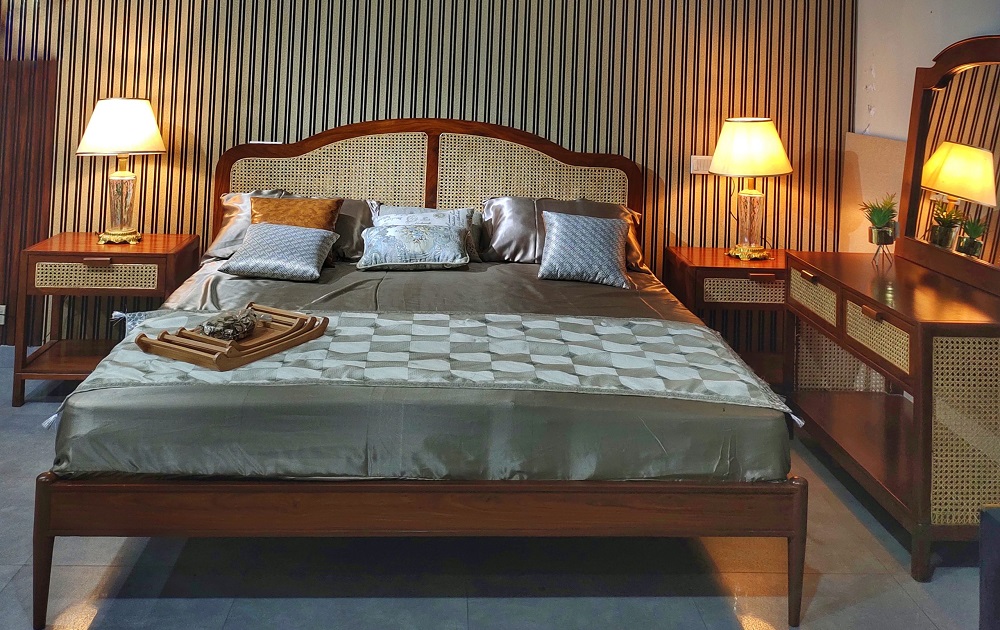
Wooden furniture has always been a symbol of elegance, warmth, and enduring craftsmanship. Whether it is a beautifully carved dining table at the centre of your home, a solid executive desk in your office, or a carefully selected bedroom set that took weeks to choose, wooden furniture represents both a financial and an emotional investment.
Proper wooden furniture care is the single most important factor that determines how long your pieces remain beautiful, structurally sound, and presentable. Without the right maintenance habits, even the finest quality wood can lose its luster, develop cracks, warp under humidity, or become permanently stained within just a few years. With the right care, however, well-crafted wooden furniture can last for decades—even generations.
In this guide, we share the most effective, practical, and easy-to-follow tips to help you protect and preserve your wooden furniture for the long term.
1. Dust Regularly — But Use the Right Method
Dusting seems like the simplest of tasks, yet many people unknowingly damage their wooden furniture in the process. Using a rough or dry cloth to wipe wooden surfaces can create tiny scratches that, over time, dull the finish and accumulate into visible surface damage.
The correct approach is to use a soft, lint-free microfiber cloth that picks up dust particles gently without abrading the surface. Always wipe in the direction of the wood grain, not against it. For furniture with carved detailing or grooves, a soft-bristled brush works better than a cloth for reaching into crevices without applying excessive pressure.
Make dusting a weekly habit. Regular, gentle dusting prevents the build-up of grime that eventually becomes much harder to remove without resorting to harsh cleaning products.
2. Keep Wooden Furniture Away From Direct Sunlight
Prolonged exposure to direct sunlight is one of the most destructive forces acting on wooden furniture. Ultraviolet rays break down the finish applied to wood and cause the natural colour of the wood itself to fade, discolour, or develop an uneven, bleached appearance over time.
In Pakistan, where sunlight is intense for the majority of the year, this is a particularly important consideration. Position your wooden furniture away from windows that receive direct afternoon sun. If rearranging is not practical, invest in quality curtains, blinds, or UV-filtering window film to reduce the intensity of light reaching your furniture.
Rotate decorative wooden pieces occasionally so that any light exposure affects all sides equally rather than causing uneven fading on one surface.
3. Control Humidity and Temperature Levels
Wood is a natural, organic material that expands and contracts in response to changes in humidity and temperature. In environments where humidity levels fluctuate significantly — as they do in Pakistan across different seasons — wooden furniture is vulnerable to warping, cracking, and joint loosening.
During humid summer months, excess moisture in the air causes wood fibres to swell. During drier winter periods or when air conditioning is running constantly, the wood contracts. These repeated cycles of expansion and contraction weaken the structure of the furniture over time.
To manage this, avoid placing wooden furniture directly in front of air conditioning vents or near heating sources. In particularly humid rooms, a dehumidifier helps maintain a stable moisture level. Keeping indoor humidity between 40% and 60% is generally considered ideal for preserving wooden furniture.
4. Clean Spills Immediately
Liquid spills are among the most common causes of permanent damage to wooden furniture. Water, tea, coffee, juices, and other liquids can penetrate the surface finish quickly — particularly if the finish has already begun to wear — and leave behind stains, white rings, or dark watermarks that are difficult to remove without professional refinishing.
The moment a spill occurs, blot it immediately with a clean, dry cloth. Do not rub — rubbing spreads the liquid further and pushes it deeper into the surface. Simply press the cloth gently onto the spill and lift, repeating until the moisture is absorbed.
For sticky residues, dampen a cloth very slightly with clean water and wipe gently, then dry the area thoroughly with a separate cloth immediately after.
5. Use Coasters, Placemats, and Table Pads
Prevention is always more effective than repair. Using coasters under glasses and cups, placemats under plates and bowls, and felt pads under decorative objects protects the surface of your wooden furniture from heat rings, scratches, and pressure marks.
Hot dishes and mugs placed directly on a wooden surface transfer heat that damages the finish and can cause the wood beneath to discolour. Even a brief moment of contact between a hot cup and a polished wooden table surface is enough to leave a permanent ring if the finish is not heat-resistant.
Similarly, the bases of decorative objects — vases, sculptures, lamps — are often rough enough to scratch wood when moved. Placing small felt or rubber pads beneath these items eliminates the risk entirely.
6. Polish and Condition the Wood Regularly
Wood requires nourishment just as skin does. Over time, the natural oils in wood diminish, causing the surface to appear dry, dull, and lifeless. Regular polishing and conditioning restores the wood’s natural sheen and creates a protective layer that repels dust, moisture, and minor scratches.
Use a high-quality wood polish or conditioner that is appropriate for the type of finish on your furniture — whether lacquered, varnished, oiled, or waxed. Apply a small amount to a soft cloth and work it into the surface in gentle, circular motions, then buff with a clean cloth to bring out the shine.
Avoid using silicone-based polishes on a long-term basis, as they can build up on the surface over time and actually make future refinishing more difficult. Natural beeswax or carnauba wax-based products are generally safer and more beneficial for wood over the long term.
Polish your wooden furniture every one to three months, depending on how frequently the pieces are used and how much traffic they receive.
7. Lift — Do Not Drag — When Moving Furniture
One of the most common causes of structural damage to wooden furniture is dragging it across floors. This places enormous stress on the joints and legs of tables, chairs, and cabinets, gradually loosening them and eventually causing irreparable damage.
Always lift wooden furniture completely off the ground when moving it, even for short distances. If a piece is too heavy to lift alone, ask for assistance rather than dragging it. For furniture that needs to be moved frequently, placing felt gliders on the feet allows smooth movement without stressing the joints.
8. Address Scratches and Minor Damage Promptly
Small scratches and nicks, if left unaddressed, tend to worsen over time as dust and moisture settle into them. Fortunately, minor surface scratches on wooden furniture can often be treated at home using simple remedies.
For light scratches on darker wood, rubbing a matching wood stain marker or even the meat of a walnut gently along the scratch can help minimise its visibility. For deeper scratches or gouges, a wood filler product matched to the colour of your furniture can restore the surface before refinishing.
The key is to address minor damage as soon as it appears, before it deepens or spreads.
9. Have Your Furniture Professionally Serviced Periodically
Even with diligent home care, wooden furniture benefits from periodic professional attention. A skilled furniture craftsman can re-tighten loose joints, touch up worn finishes, address deep scratches or stains, and re-polish surfaces to restore their original appearance.
For high-quality, bespoke furniture — the kind crafted with genuine care for material and finish—professional servicing every few years is a worthwhile investment that significantly extends the life and beauty of the piece.
Caring for your wooden furniture is not complicated, but it does require consistency and attention. The habits described in this guide — regular gentle dusting, protecting from sunlight and humidity, cleaning spills immediately, using protective accessories, and periodic polishing — are all straightforward practices that any homeowner or office manager can implement without difficulty.
At AZ Living Spaces, every piece of furniture we craft or supply is built to last. Our bespoke home and office furniture is designed with quality materials and finishes that, when properly maintained, will serve you beautifully for many years to come.
Visit AZ Living Spaces at our Johar Town or DHA Phase 8 showroom in Lahore, or browse our full collection online to find furniture that is built for a lifetime.