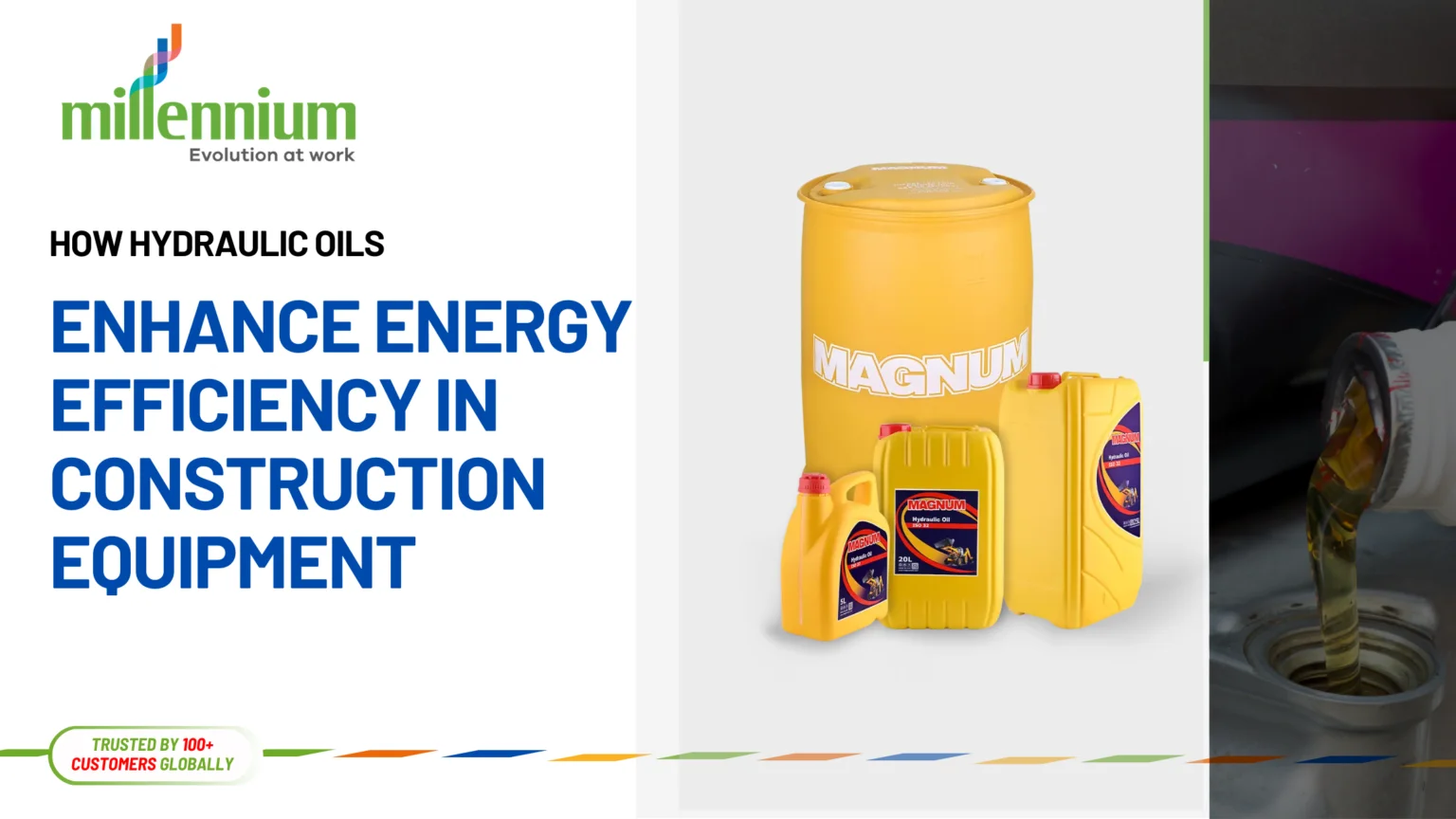
Construction equipment such as excavators, loaders, cranes, bulldozers, and backhoes depend heavily on hydraulic systems for lifting, digging, steering, and material handling operations. These hydraulic systems are responsible for transferring power efficiently under demanding working conditions. One of the most important yet often overlooked factors affecting equipment performance and energy efficiency is hydraulic oil. High-quality hydraulic oils not only protect system components but also improve energy transfer, reduce power losses, and help construction companies lower fuel consumption and maintenance costs. Selecting the correct hydraulic oil can significantly enhance operational efficiency and extend machinery life.
How Hydraulic Systems Consume Energy in Construction Equipment
Hydraulic systems work by converting mechanical energy into fluid energy and then back into mechanical force. In construction equipment, the engine powers a hydraulic pump that moves oil through valves, hoses, and cylinders to perform various tasks. During this process, some energy is naturally lost due to friction, heat generation, leakage, and pressure drops within the system.
Poor lubrication, contaminated oil, or incorrect oil viscosity can increase resistance inside hydraulic components, forcing the engine to work harder. This leads to higher fuel consumption, overheating, slower machine response, and reduced productivity. Heavy-duty construction applications operating in dusty environments, high temperatures, or continuous work cycles are especially vulnerable to hydraulic inefficiencies. Proper hydraulic oil selection plays a major role in minimizing these losses and maintaining efficient energy transfer throughout the system.
Role of Hydraulic Oil in Energy Transfer Efficiency
Hydraulic oil acts as the medium that transfers power within the hydraulic system. Besides power transmission, it also lubricates moving components, removes heat, protects against corrosion, and seals internal clearances. Efficient hydraulic oil reduces internal friction and allows smoother fluid movement through pumps, valves, and cylinders.
When hydraulic oil maintains stable performance under varying temperatures and pressures, the system operates more efficiently with less energy waste. Modern energy-efficient hydraulic oils are formulated with advanced additives that improve oxidation resistance, reduce foaming, and maintain clean system operation. These properties help hydraulic components operate smoothly and reduce strain on the engine.
Efficient hydraulic oils also reduce wear on pumps and valves, ensuring that the equipment maintains optimal performance over time. Lower friction inside the system means less power loss and better conversion of engine power into usable hydraulic force, directly improving overall machine efficiency.
Effect of Viscosity on Energy Efficiency
Viscosity is one of the most critical properties of hydraulic oil affecting energy efficiency. Viscosity refers to the oil’s resistance to flow. If the oil is too thick, the hydraulic pump requires more energy to circulate it, increasing fuel consumption and reducing efficiency. On the other hand, if the oil is too thin, it may fail to provide proper lubrication and sealing, leading to leakage, wear, and loss of hydraulic pressure.
Maintaining the correct viscosity ensures smooth oil circulation with minimal resistance. Construction equipment often operates in varying weather conditions, from extremely hot environments to cold mornings on job sites. Hydraulic oils with a high viscosity index maintain stable flow characteristics across a wide temperature range, helping systems operate efficiently in changing conditions.
Proper viscosity also improves machine responsiveness and reduces startup wear. In cold temperatures, suitable low-temperature flow properties allow the hydraulic system to respond quickly without excessive engine load. In high-temperature operations, stable viscosity prevents thinning and protects hydraulic components from wear and pressure loss.
Impact of Oil Grade on Power Transfer and Productivity
The grade and quality of hydraulic oil directly influence equipment productivity and power transfer efficiency. Premium hydraulic oils are specially formulated to handle high-pressure operations commonly found in construction machinery. These oils provide enhanced lubrication, thermal stability, and anti-wear protection, helping the hydraulic system maintain consistent performance under heavy loads.
Using the wrong oil grade can result in sluggish equipment operation, increased internal leakage, overheating, and reduced hydraulic force. Machines may require more engine power to perform routine tasks, increasing operational costs and reducing fuel efficiency.
Correct hydraulic oil grades improve cycle times, allowing excavators, loaders, and lifting equipment to operate faster and more efficiently. Reduced friction and stable hydraulic pressure ensure smoother movement of cylinders and motors, improving operator control and productivity. Better power transfer also minimizes energy losses within the hydraulic system, enabling machines to perform demanding tasks with lower fuel consumption.
Maintenance Practices That Improve Hydraulic Energy Efficiency
Regular maintenance is essential for maximizing hydraulic energy efficiency in construction equipment. Even high-quality hydraulic oil can lose effectiveness if it becomes contaminated or degraded over time. Proper maintenance practices help maintain oil performance and protect hydraulic components.
Routine oil analysis can identify contamination, oxidation, water ingress, and wear particles before serious problems develop. Replacing hydraulic filters at recommended intervals helps maintain clean oil circulation and prevents damage to pumps and valves. Monitoring oil levels and checking for leaks also reduce unnecessary energy losses and maintain stable system pressure.
Keeping hydraulic systems clean improves fluid flow and reduces strain on the equipment. Overheating should be addressed immediately because excessive heat accelerates oil breakdown and reduces lubrication efficiency. Scheduled oil changes using manufacturer-recommended hydraulic oils help maintain optimal viscosity, wear protection, and energy efficiency throughout the equipment’s operating life.
Operator practices also influence hydraulic efficiency. Avoiding unnecessary idling, excessive pressure loading, and sudden movements can reduce stress on the hydraulic system and improve fuel economy.
Choosing the Right Hydraulic Oil for Excavators and Construction Equipment
Selecting the correct hydraulic oil depends on equipment type, operating environment, load conditions, and manufacturer recommendations. Construction equipment working under high temperatures, heavy loads, or extended operating hours may require premium anti-wear hydraulic oils with superior thermal stability and oxidation resistance.
For equipment operating in varying climates, hydraulic oils with a high viscosity index offer better performance across temperature changes. Synthetic hydraulic oils are often preferred for severe-duty applications because they provide enhanced energy efficiency, longer service life, and improved resistance to thermal breakdown.
It is important to follow OEM specifications when selecting hydraulic oil grades and performance standards. Using the wrong oil can negatively affect equipment warranties, efficiency, and component lifespan. Choosing high-quality hydraulic oils designed for construction equipment helps reduce energy losses, improve machine responsiveness, and lower long-term maintenance costs.
Conclusion
Hydraulic oils play a vital role in improving energy efficiency in construction equipment by reducing friction, enhancing power transfer, controlling heat, and protecting hydraulic components from wear. Proper viscosity, correct oil grade, and regular maintenance all contribute to lower fuel consumption, improved productivity, and longer equipment life. In demanding construction environments, investing in high-quality hydraulic oils and maintaining clean hydraulic systems can significantly improve operational efficiency while reducing downtime and operating costs.