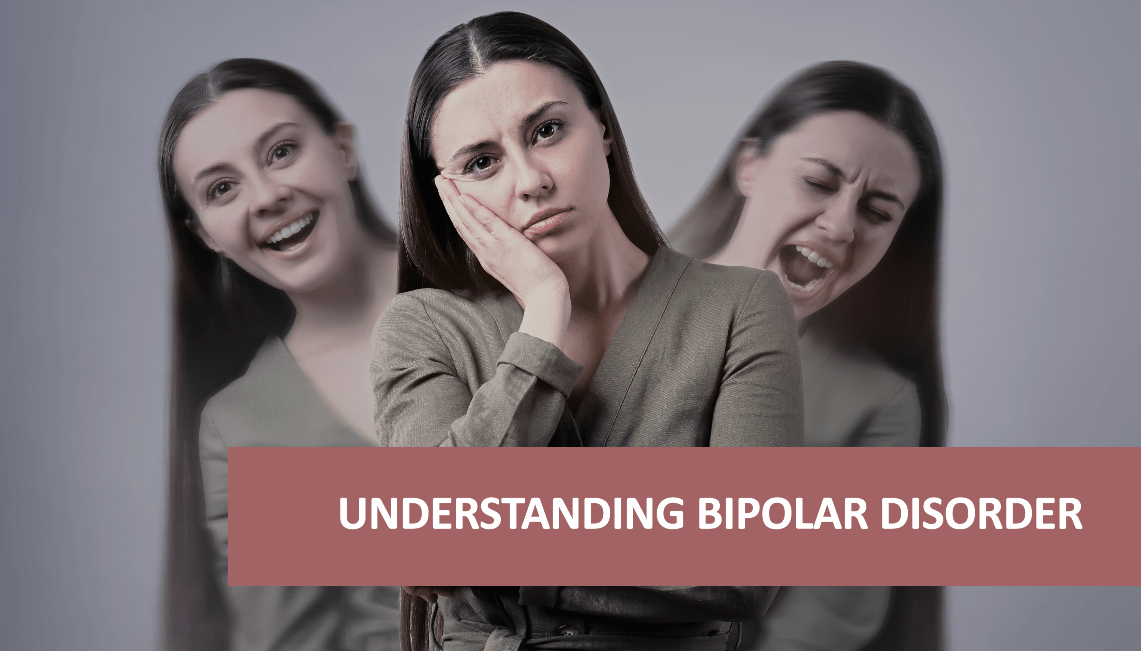
Many adults experience emotional ups and downs during stressful periods in life. However, bipolar disorder is different from normal mood changes. This mental health condition can affect emotions, energy levels, sleep, focus, and daily behavior. Some people feel unusually energetic for days, while others go through periods of sadness and low motivation that affect work and relationships.
Research shows that bipolar disorder often develops in early adulthood, but many patients remain undiagnosed for years. Mood changes may appear slowly, and symptoms are sometimes mistaken for stress, anxiety, or depression. Learning the common signs of bipolar disorder in adults may help individuals seek professional support before symptoms begin affecting daily life more seriously.
What is Bipolar Disorder?
Bipolar disorder is a mental health condition that causes major shifts in mood, thinking, and energy. Patients may experience emotional highs called mania or hypomania, followed by periods of depression. These mood changes can affect behavior, decision-making, sleep patterns, and personal relationships.
Some patients experience frequent mood episodes, while others may go months without symptoms. The condition affects every person differently. Early diagnosis and proper treatment may help patients manage symptoms and maintain a healthier daily routine over time.
Signs of Bipolar Disorder in Adults
Following are the common signs:
Extreme Mood Changes
One of the most common signs of bipolar disorder in adults is intense mood variation. A person may feel highly excited, energetic, and overly confident for several days. Later, the same person may suddenly feel emotionally low, exhausted, and withdrawn from social interaction.
These emotional shifts are often stronger than normal mood changes. Family members and friends may notice unusual behavior or personality changes during these episodes. Mood swings may also affect work performance and communication with others.
Increased Energy and Activity
During manic episodes, patients may feel unusually active and energetic. Some people sleep very little but still feel full of energy throughout the day. They may speak quickly, start many projects at once, or make impulsive decisions without thinking carefully.
This increase in activity may create problems at work, home, or financially. Patients sometimes spend large amounts of money, take unnecessary risks, or become more irritable than usual. A psychiatric evaluation for bipolar disorder may help doctors understand these behavior changes more clearly.
Ongoing Sadness and Low Motivation
Depressive episodes are another major symptom of bipolar disorder. Patients may lose interest in activities they once enjoyed and struggle with low energy levels. Daily tasks may begin feeling overwhelming, even when there is no clear reason for sadness.
Some adults isolate themselves from family and friends during depressive periods. Sleep problems, changes in appetite, and feelings of hopelessness are also common. Without treatment, depression symptoms may continue affecting personal relationships and emotional health.
Sleep Pattern Changes
Sleep disturbance is common among adults living with bipolar disorder. During manic phases, patients may sleep very little without feeling tired. In depressive phases, some people sleep longer than usual and still feel exhausted during the day.
Changes in sleep patterns may happen suddenly and repeatedly. Poor sleep may also increase emotional instability and make symptoms more difficult to manage. Doctors often review sleep habits carefully during mental health evaluations.
Difficulty Focusing and Racing Thoughts
Many adults with bipolar disorder struggle with concentration and focus. During manic periods, thoughts may move very quickly, making conversations difficult to follow. Some patients feel mentally overwhelmed because ideas continue racing through their mind.
During depressive periods, focus may become slower and weaker. This may affect work tasks, studying, and memory. Trouble concentrating is one reason many adults seek help from a mood disorder specialist ennis patients trust for mental health support.
Irritability and Anger
Not every person with bipolar disorder appears happy or energetic during manic episodes. Some adults become easily frustrated or angry instead. Small problems may trigger strong emotional reactions that seem unusual to others around them.
Irritability may create tension in relationships and family communication. Some patients also feel restless or emotionally overwhelmed during these periods. Professional treatment may help patients understand emotional triggers and manage symptoms more effectively.
Risky or Impulsive Behavior
Impulsive behavior is another warning sign linked to bipolar disorder. Patients may make quick decisions without considering long-term consequences. This may include overspending, risky driving, sudden job changes, or unsafe personal choices.
Family members often notice these behavior changes before the patient does. Impulsive actions may create emotional stress and financial problems if symptoms continue untreated. A psychiatrist in ennisTX may evaluate these symptoms through detailed mental health assessments.
When Symptoms Begin Affecting Daily Life
Many adults delay treatment because they believe mood changes will improve naturally. Over time, symptoms may begin affecting relationships, work performance, sleep, and emotional stability. Early treatment may help reduce the intensity of future mood episodes.
Patients should seek professional support if mood changes interfere with daily routines or personal relationships. Mental health specialists can identify patterns, rule out other conditions, and create a proper treatment plan based on the patient’s symptoms.
Treatment Options for Bipolar Disorder
Treatment commonly includes therapy, medication, lifestyle support, and regular follow-up visits. Mental health professionals focus on helping patients stabilize mood changes and improve emotional balance. Every treatment plan depends on the patient’s symptoms and medical history.
Patients seeking bipolar disorder treatment in Ennis often benefit from consistent care and emotional support. Long-term management may help reduce severe mood episodes and improve daily functioning. Support from family members also plays an important role during recovery.
Why Professional Evaluation Matters?
Bipolar disorder shares symptoms with anxiety, depression, and other mood conditions. Professional evaluation helps mental health specialists identify the correct diagnosis before treatment begins. This may improve long-term symptom management and emotional stability.
A mental health clinic in Ennis may provide psychiatric evaluations, therapy sessions, medication management, and emotional support programs. Early diagnosis often helps patients understand their condition better and begin treatment before symptoms worsen.
Conclusion
The common signs of bipolar disorder in adults include mood swings, sleep changes, impulsive behavior, depression, irritability, and increased energy levels. These symptoms may affect relationships, work, and emotional wellness if left untreated. Recognizing warning signs early Patients searching for bipolar disorder treatment or support from a trusted psychiatrist like Dr Mayur Patel can benefit from early evaluation and ongoing mental health care.
FAQs
What are early signs of bipolar disorder in adults?
Common early signs include mood swings, sleep problems, irritability, increased energy, sadness, impulsive behavior, and trouble focusing.
How is bipolar disorder diagnosed?
Doctors diagnose bipolar disorder through psychiatric evaluations, symptom history, mood assessments, and mental health discussions.
Can bipolar disorder affect sleep?
Yes. Many patients sleep very little during manic phases or sleep excessively during depressive episodes.
Is bipolar disorder treatable?
Yes. Therapy, medication, and lifestyle support may help patients manage symptoms and improve emotional balance.
When should someone seek mental health treatment?
Patients should seek professional support if mood changes begin affecting work, relationships, sleep, or daily routines.