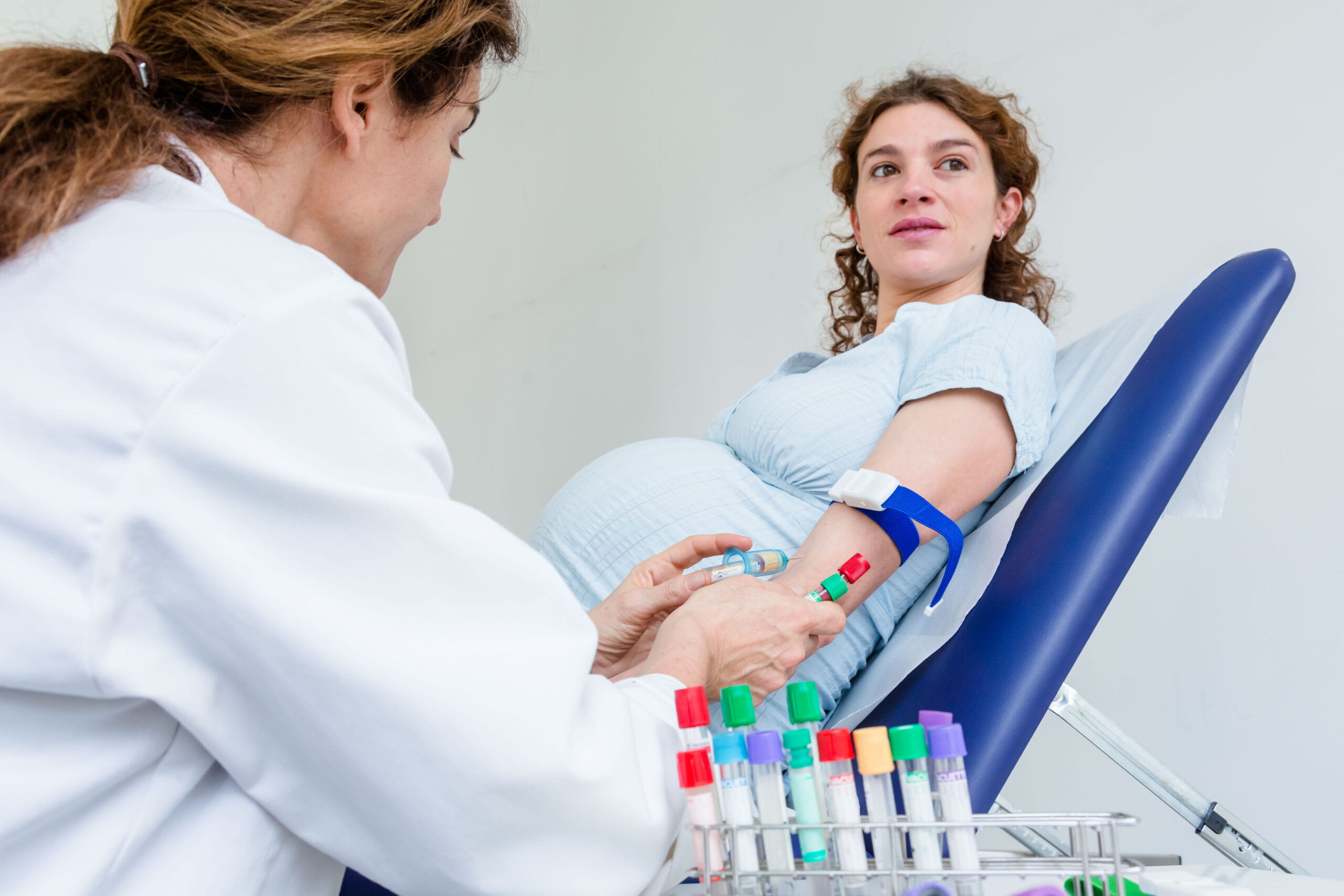
Pregnancy is a special journey filled with excitement, emotions, and many important medical check-ups. One of the biggest concerns for expecting parents is ensuring the healthy development of their baby. Modern prenatal testing has made it possible to identify certain chromosomal conditions early in pregnancy, helping parents and doctors make informed decisions and prepare for proper medical care if needed.
Today, advanced screening methods like the NIPT test in Chandigarh are helping doctors detect the risk of genetic and chromosomal abnormalities safely and accurately. Early screening not only provides clarity but also helps reduce anxiety by giving parents important information about their baby’s health during the early stages of pregnancy.
In this blog, we will explain the most important pregnancy tests used to identify chromosomal conditions early, how they work, and why they are recommended.
What Are Chromosomal Conditions?
Chromosomes are tiny structures inside our cells that carry genetic information. A healthy baby usually has 46 chromosomes arranged in 23 pairs. Sometimes, changes in chromosome number or structure can lead to genetic conditions.
Some common chromosomal conditions include:
- Down syndrome (Trisomy 21)
- Trisomy 18
- Trisomy 13
- Turner syndrome
These conditions can affect the baby’s physical growth, learning ability, and overall health. Early screening helps identify the chances of these conditions during pregnancy.
Why Early Pregnancy Screening Matters
Early pregnancy screening is important because it helps:
- Detect potential risks sooner
- Monitor the baby’s development
- Guide parents about additional testing if required
- Help doctors plan better pregnancy care
- Reduce stress through early diagnosis
Most early screening tests are non-invasive and safe for both mother and baby.
1. NIPT (Non-Invasive Prenatal Testing)
One of the most advanced prenatal screening methods available today is NIPT. Many expecting parents now search for where to get NIPT test in Chandigarh because of its high accuracy and safety.
NIPT is a blood test performed using a sample from the mother. It analyzes small fragments of the baby’s DNA present in the mother’s bloodstream.
This test helps screen for:
- Down syndrome
- Trisomy 18
- Trisomy 13
- Certain sex chromosome abnormalities
Why NIPT Is Popular
- Highly accurate screening
- Safe and non-invasive
- No risk of miscarriage
- Can be done as early as 10 weeks
- Quick results
NIPT is especially recommended for:
- Women above 35 years
- High-risk pregnancies
- Family history of genetic disorders
- Abnormal ultrasound findings
- Previous pregnancy with chromosomal conditions
Although NIPT is highly accurate, it is still considered a screening test and not a final diagnosis.
2. NT Scan (Nuchal Translucency Scan)
The NT scan is another important screening test performed between 11–14 weeks of pregnancy.
During this ultrasound:
- Doctors measure the fluid behind the baby’s neck
- Increased thickness may indicate higher risk of chromosomal abnormalities
The NT scan also checks:
- Baby’s heartbeat
- Growth and development
- Presence of twins
- Basic fetal anatomy
This scan is painless and safe for both mother and baby.
3. Double Marker Test
The Double Marker Test is a blood test commonly performed along with the NT scan.
It measures:
- Free Beta hCG
- PAPP-A protein levels
Abnormal levels may indicate increased risk for:
- Down syndrome
- Trisomy 18
- Other chromosomal abnormalities
When combined with the NT scan, the accuracy of early screening improves significantly.
4. Triple Marker and Quadruple Marker Tests
If early screening is missed, doctors may recommend Triple Marker or Quadruple Marker Tests during the second trimester.
These blood tests measure specific hormones and proteins to assess the risk of:
- Neural tube defects
- Chromosomal conditions
- Genetic abnormalities
Although not as accurate as NIPT, they still provide useful risk assessment information.
5. Chorionic Villus Sampling (CVS)
CVS is a diagnostic test usually performed between 10–13 weeks.
In this procedure:
- A small sample from the placenta is collected
- The sample is tested for chromosomal conditions
Unlike screening tests, CVS can confirm genetic abnormalities. However, since it is invasive, there is a small risk of complications.
Doctors usually recommend CVS if:
- Screening tests show high risk
- There is family history of genetic disorders
- Previous pregnancy had chromosomal abnormalities
6. Amniocentesis
Amniocentesis is another diagnostic procedure performed after 15 weeks of pregnancy.
In this test:
- A small amount of amniotic fluid is collected
- The fluid is analyzed for genetic and chromosomal conditions
Amniocentesis provides highly accurate results and can confirm conditions suspected during screening tests.
This test is usually recommended for high-risk pregnancies or abnormal screening results.
How Doctors Decide Which Test Is Needed
Not every pregnancy requires every test. Doctors recommend tests based on:
- Mother’s age
- Family medical history
- Ultrasound findings
- Previous pregnancy complications
- Existing health conditions
Low-risk pregnancies may only need routine screening tests, while high-risk pregnancies may require advanced diagnostic procedures.
Difference Between Screening and Diagnostic Tests
Understanding the difference between these tests is very important.
Screening Tests
Examples:
- NIPT
- NT Scan
- Double Marker Test
These tests estimate risk but cannot confirm a condition.
Diagnostic Tests
Examples:
- CVS
- Amniocentesis
These tests provide more definite answers but may carry small procedural risks.
Doctors usually begin with screening tests before recommending diagnostic procedures.
Benefits of Early Chromosomal Screening
Early pregnancy testing offers many benefits:
Better Pregnancy Planning
Parents and doctors can prepare for medical care if needed.
Reduced Anxiety
Early screening provides clarity and reassurance.
Safer Pregnancy Management
Doctors can monitor high-risk pregnancies more carefully.
More Time for Decision Making
Parents have enough time to understand results and discuss options.
Emotional Support During Testing
Waiting for pregnancy test results can be stressful for many parents. It’s important to remember:
- A high-risk result does not always mean the baby has a condition
- Many pregnancies continue normally after additional testing
- Doctors are there to guide and support you throughout the process
Talking openly with your doctor and family can help reduce anxiety during this phase.
Importance of Choosing the Right Diagnostic Centre
Accurate reports depend heavily on:
- Advanced equipment
- Experienced specialists
- Proper reporting standards
Choosing a trusted centre for prenatal screening ensures better accuracy and reliable guidance throughout pregnancy.
Good diagnostic centres also provide:
- Clear explanations
- Comfortable testing environment
- Experienced radiologists
- Proper counseling support
Conclusion
Pregnancy tests that identify chromosomal conditions early play a major role in modern prenatal care. Screening methods like the NIPT test in Chandigarh, NT scans, and Double Marker Tests help doctors assess the baby’s health during the early stages of pregnancy.
Early diagnosis allows better pregnancy management, informed decision-making, and improved emotional preparedness for parents. While screening tests cannot confirm every condition, they are valuable tools for understanding potential risks and planning the next steps carefully.
Regular prenatal check-ups, timely testing, and expert medical guidance can help support a safer and healthier pregnancy journey for both mother and baby.