Social connections are invaluable for a healthy quality of life and for emotional health as individuals continue aging. Modern senior housing offers many benefits, such as socialization and shared activities. Common areas that are well designed allow residents to interact, engage in activities, and form meaningful relationships with those who have similar lifestyles and interests.
Technology is not the main focus of shared spaces in many elderly dwellings and residential communities, where they are carefully planned to provide opportunities for communication, recreation, and relaxation. These areas assist in decreasing loneliness among seniors and provide more meaningful activities.
Fostering every opportunity to engage in social interaction each day
A place is a place by nature; it’s a place that invites people together. These spaces are found in the lounge, dining hall, garden, and activity room – they provide opportunities for casual conversations and residents to interact regularly with each other.
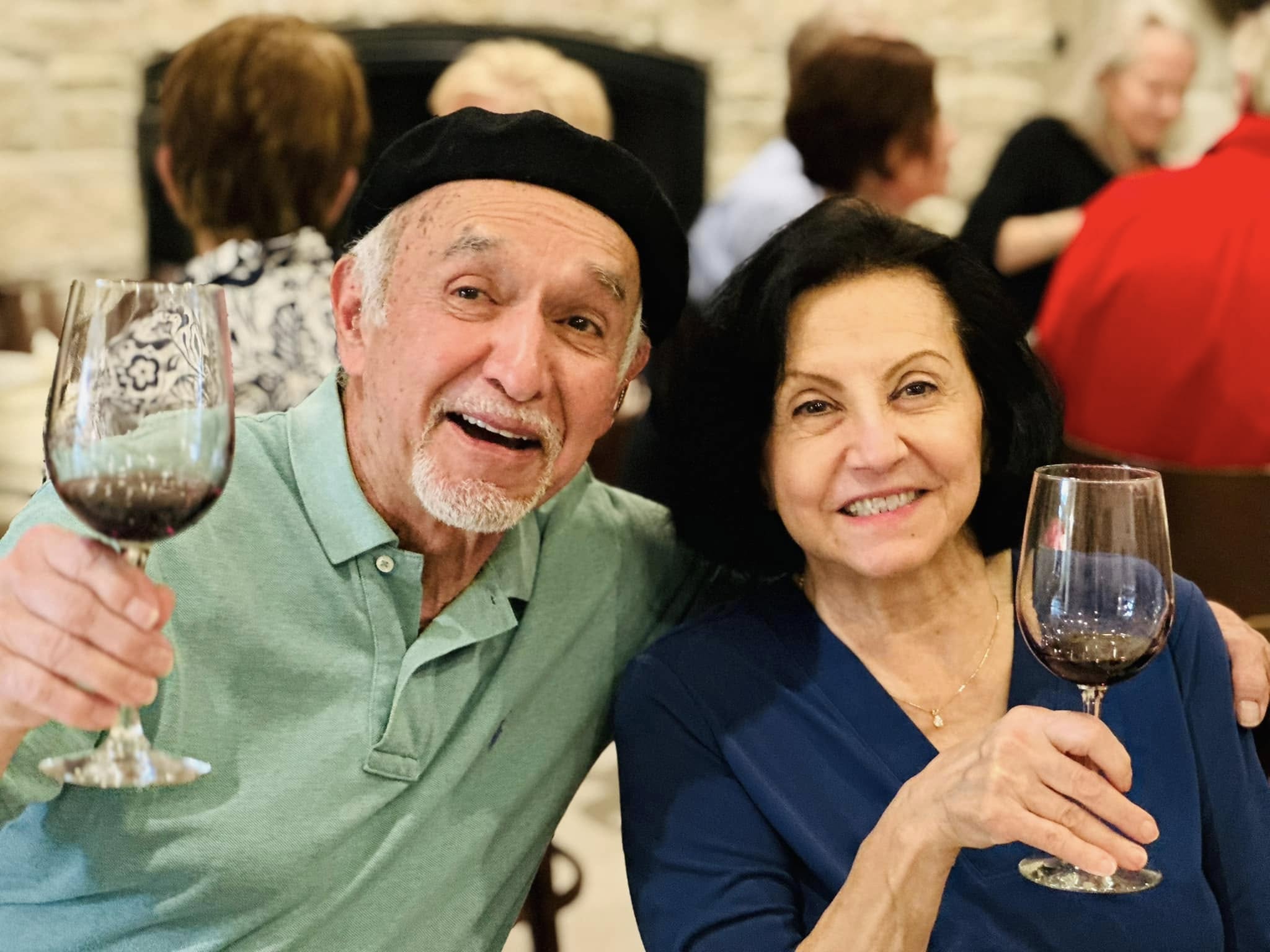
Seniors who have been living independently can benefit from places that offer a comfortable, interactive environment. One way for residents to feel connected and supported is through an activity like a group or a morning talk over coffee.
Regular activity with other people can result in better friendships and an increased sense of identity.
The child’s impact on feelings of loneliness and isolation from others.The child’s influence on feelings of loneliness and isolation. Social isolation is among the most severely understudied issues of aging, especially for elderly people following retirement age and when their spouse passes away. A lack of social interaction can have a detrimental impact on one’s mental and emotional health.
Shared spaces are designed to overcome this issue and to provide residents with ways in which they can enjoy their surroundings while also being ready to meet in an informal space to participate in daily activities. Participation in community activities, meals, and recreational activities decreases loneliness. Communities such as Kensington Gardens Resort Living know how critical it is to create environments that encourage and promote social interaction and connections within the community.
Help with Group Activities and Hobbies
Group activities are offered in common areas many times in many senior living communities. This can be a fitness class, arts/crafts, game nights, book clubs, and any other cultural events, or gardening programs. Hobbies and other recreational activities with others provide opportunities to learn, enjoy, and build friendships. It’s also a great way to keep seniors mentally and physically stimulated – and they’ll feel better because of it. Shared space offers the flexibility required to allow for so many different events, meeting interests, and personalities.
Promoting Emotional Well-Being
Emotional health directly influences strong social relationships. Older adults who engage in frequent social contact tend to be happier, less stressed, and less depressed. Shared spaces provide a better sense of seeing, belonging, and valuing within communities. This positive interaction could help to increase people’s confidence in themselves and their life attitudes. A sense of moral support is also another benefit of belonging to a supportive community, particularly when facing difficult times.
Incorporating physical activity into children’s lives
Physical Health is encouraged in many of the common areas provided for senior housing groups. Residents can walk around the neighborhood, exercise in fitness areas, swim in pools, and participate in outdoor fun in open areas, creating a balance of exercising and interacting with people. It is easier to work out with others than by yourself. The shared fitness opportunities also promote friendships among residents and healthy lifestyles.
Building a Sense of Community
One of the hallmarks of a successful senior housing community is its dynamic community environment. The sense of unity and connection is a central theme with regard to the shared spaces. Performing community activities and seeing familiar faces regularly, residents start to build meaningful relationships. These relationships develop over time to form a nurturing community that cares for each other and feels at home. Having this feeling of belonging allows senior citizens to have healthy confidence and calmness when moving on to another phase of life.
Strengthening Communication and Engagement
Communicating among residents and staff is made easier by shared spaces. Private meetings can be more effective and build greater trust and understanding in the community. If you are comfortable in the public spaces of your community, you are more likely to engage in activities, discuss your ideas, or be involved in community life. Seniors can stay socially connected and mentally stimulated by being active. Now, open, welcoming structures can foster positive experiences and enhance overall satisfaction in living in the community.
Maintaining and improving the quality of life.
Every shared space project in senior residential development comes down to an end goal – to better the residents’ quality of life. Social interaction, recreational opportunities, emotional support, and physical activity all enhance the quality of life and quality of health. A well-planned community is balanced with private living spaces and friendly community gathering rooms. The residents have the benefit of access to social opportunities whenever they want, but they remain independent. This equilibrium is crucial for the emotional stability and overall health and well-being of children and young people.
Conclusion
Shared areas are critical parts of the quality of social life in senior communities. These settings can help to create opportunities for meaningful relationships and for living active lives by encouraging interaction, minimizing isolation, and offering opportunities to participate in recreation and leisure.
In contemporary Elderly Residential Communities, spaces that are intended for groups integrate a feeling of well-being, health, and belonging. By fostering social vitality, communities provide their residents with a supportive and enriching living environment that allows them to thrive, stay engaged, and enjoy a quality of life as they age.