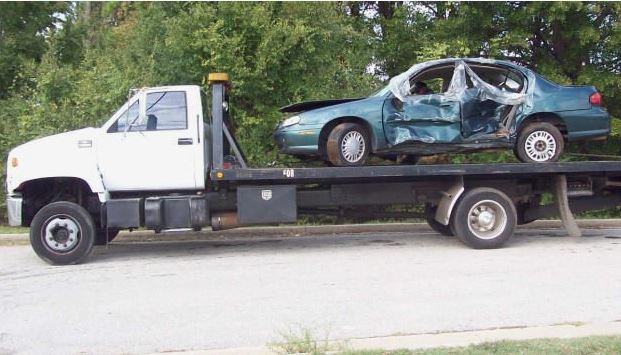
Scrap car removal is an essential part of modern environmental management. As millions of vehicles reach the end of their lifespan each year, proper disposal becomes critical to prevent pollution and resource wastage. Instead of allowing old vehicles to decay in yards or landfills, structured recycling systems help recover valuable materials and reduce environmental damage. This process supports sustainability by limiting waste, conserving energy, and encouraging responsible consumption patterns.
Responsible Vehicle Recycling and Resource Recovery
One of the most important contributions of scrap car removal is resource recovery. Vehicles are made of steel, aluminum, copper, plastics, rubber, and glass—many of which can be reused multiple times. Professional services such as best auto wreckers Brisbane ensure that end-of-life vehicles are carefully dismantled so that reusable components are salvaged. Engines, transmissions, batteries, and body parts are often refurbished and reintroduced into the market. This reduces the need to manufacture new parts from raw materials, which saves both energy and natural resources.
Reduction of Environmental Pollution
Old and abandoned cars can become major sources of environmental pollution if not handled correctly. They often leak harmful fluids such as engine oil, brake fluid, and coolant into the soil. These substances can contaminate groundwater and damage ecosystems. Scrap car removal services prevent this by safely draining and disposing of hazardous materials before dismantling the vehicle. This controlled process significantly reduces the risk of soil and water pollution, making it an important environmental safeguard.
Minimizing Landfill Waste
Another major environmental advantage of scrap car recycling is the reduction of landfill waste. Vehicles contain non-biodegradable materials that take decades to break down naturally. If left unmanaged, they contribute to overcrowded landfills and long-term environmental degradation. Through recycling, a large portion of a vehicle’s materials is recovered and reused, ensuring that less waste ends up in landfill sites. This not only preserves land space but also reduces long-term ecological harm.
Energy Conservation and Emission Reduction
Recycling automotive materials consumes significantly less energy compared to producing new materials from raw resources. For example, recycling steel requires far less energy than extracting iron ore and processing it into new steel. This reduction in energy usage directly translates into lower greenhouse gas emissions. Scrap car removal therefore plays a key role in combating climate change by reducing the carbon footprint associated with automotive manufacturing.
Supporting a Circular Economy
Scrap car recycling is a key component of the circular economy model, where products and materials are reused instead of discarded. In this system, vehicle parts are recovered, refurbished, and resold, extending their lifecycle. This reduces demand for new manufacturing and encourages sustainable consumption habits. It also helps create a more efficient use of resources, ensuring that nothing goes to waste unnecessarily.
Environmental Safety and Urban Cleanliness
Abandoned vehicles are not only an eyesore but also a serious environmental and safety hazard. They can collect rainwater, become breeding grounds for pests, and leak toxic substances into the environment. Proper scrap car removal helps maintain cleaner cities and safer communities by eliminating these risks. Timely vehicle disposal improves urban aesthetics while also protecting public health and the environment.
Economic and Environmental Balance
Scrap car removal also provides economic benefits that support environmental sustainability. The recycling industry creates jobs in dismantling, transportation, refurbishment, and metal processing. It also allows consumers to access affordable used parts, reducing the need for expensive new components. In many regions, services such as unwanted cars for cash Sunshine Coast encourage vehicle owners to recycle old cars by offering financial incentives. This combination of environmental responsibility and monetary benefit increases participation in recycling programs.
Technological Advancements in Recycling
Modern scrap car removal has become more efficient due to advanced technology. Automated dismantling systems, improved material separation techniques, and better waste management practices allow recyclers to recover a higher percentage of usable materials. These innovations reduce waste and improve the overall sustainability of the recycling process. As technology continues to evolve, the environmental benefits of scrap car recycling are expected to grow even further.
Public Awareness and Sustainable Practices
Public awareness plays a crucial role in promoting scrap car recycling. When vehicle owners understand the environmental impact of improper disposal, they are more likely to choose responsible removal services. Education and awareness campaigns have helped increase participation in recycling programs, leading to better environmental outcomes. Encouraging responsible behavior at the individual level is essential for long-term sustainability.
Conclusion
Scrap car removal is a vital part of environmental sustainability. It reduces pollution, conserves natural resources, lowers energy consumption, and supports a circular economy. By ensuring that old vehicles are processed responsibly, society can significantly reduce environmental harm while also gaining economic benefits. With continued technological advancement and growing awareness, scrap car recycling will remain an important solution for building a cleaner and more sustainable future.