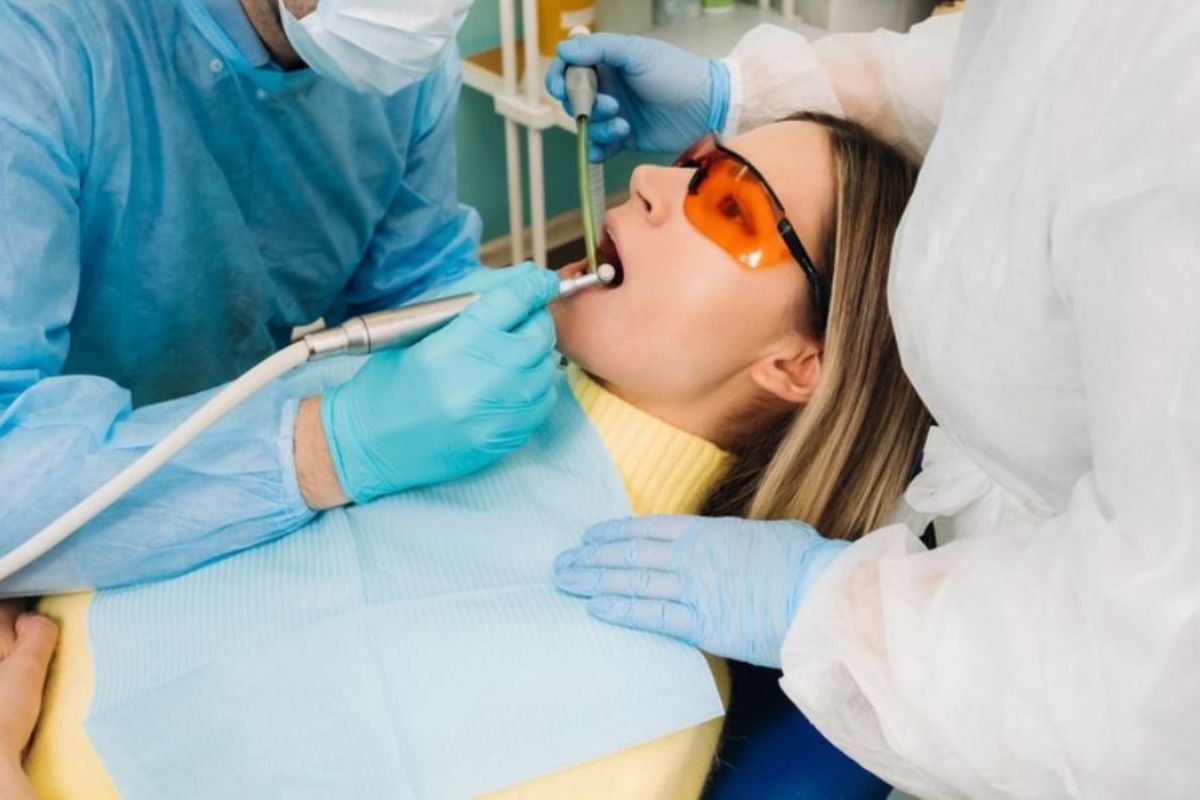
Dental problems often start with small warning signs. A mild toothache, slight gum swelling, sensitivity to cold, or a tiny chip may not feel serious in the beginning. Many people wait because the pain is manageable or because the problem comes and goes. But teeth and gums do not always heal on their own. When decay, infection, cracks, or gum disease are involved, a small issue can become painful quickly.
Your mouth works all day. You chew, drink, speak, brush, and expose your teeth to pressure, bacteria, heat, and cold. If one tooth is already weak, normal daily use can make the condition worse. A crack can spread while eating. A cavity can reach the nerve. Gum swelling can turn into an abscess. This is why early dental care matters.
If pain, swelling, or a broken tooth appears suddenly, contacting an emergency dentist in st kilda can help protect your tooth and prevent the condition from becoming more serious.
Why Small Dental Issues Should Not Be Ignored
Many dental emergencies begin as symptoms that seem harmless. A tooth may hurt only when biting. Gums may bleed only while brushing. Sensitivity may happen only with cold drinks. Because these signs are not constant, people often delay treatment.
Dental issues usually progress silently. A cavity will not stop growing without treatment. A loose filling can allow bacteria to enter the tooth again. Gum infection can move deeper around the roots. A small chip can weaken the tooth structure. Once the problem reaches the nerve or nearby tissues, pain can become intense.
Early treatment is usually simpler. A small cavity may need only a filling. A minor chip may be repaired with bonding. Early gum inflammation may improve with professional cleaning and better oral care. But delay can lead to root canal treatment, extraction, swelling, or urgent dental visits.
1. Mild Toothache That Becomes Severe
A mild toothache is one of the most common signs people ignore. It may feel like dull pressure, discomfort while chewing, or pain that comes and goes.
This pain may be caused by decay, food stuck between teeth, gum irritation, a cracked tooth, or early infection. Tooth pain often becomes worse at night because lying down can increase pressure around the affected area. That is why a small ache during the day can feel much more painful at bedtime.
2. Sensitivity That Keeps Getting Worse
Tooth sensitivity is common, but it should not be ignored when it becomes frequent or stronger. Sensitivity to cold, hot, sweet, or acidic foods may be linked to enamel wear, gum recession, tooth decay, damaged fillings, or cracks.
If pain stays for several seconds after the food or drink is gone, it can be a warning sign. Lingering sensitivity may mean the inner part of the tooth is becoming irritated.
3. Small Cavities That Reach the Nerve
A cavity can start as a tiny rough spot or dark mark. In the beginning, it may not hurt at all. This is why many people do not realise they have decay until it becomes painful.
When decay is found early, treatment is usually straightforward. A dentist can clean the damaged area and place a filling. But if the cavity is ignored, bacteria can travel deeper into the tooth. Once decay reaches the nerve, it can cause severe pain, swelling, bad taste, and infection.
4. Tiny Chips and Cracks
A small chip may look like only a cosmetic concern, especially if there is no pain. But a chipped or cracked tooth can become worse under chewing pressure. Hard foods, grinding, or biting at the wrong angle can cause the crack to spread.
Cracks are not always easy to see. You may feel pain only when biting down or releasing the bite. You may also notice sensitivity to cold or sweet foods. If bacteria enter through the crack, the tooth can become infected. Early repair helps protect the tooth.
5. Swollen Gums Around One Tooth
Gum swelling around one tooth should never be ignored. It may be caused by trapped food, gum infection, tooth infection, or an abscess. Sometimes the swelling looks like a small pimple on the gum, which may mean infection is draining.
Swelling can increase quickly if pressure builds under the gum. Warning signs include throbbing pain, pus, bad taste, fever, jaw discomfort, or facial swelling. Even if the swelling reduces for a short time, the infection may still be present.
6. Bleeding Gums That Become Painful
Bleeding gums are common, but they are not normal when they happen regularly. If your gums bleed while brushing or flossing, it may be an early sign of gum disease.
In the early stage, gums may look red, swollen, or tender. With professional cleaning and better brushing habits, the condition can often improve. But if ignored, gum infection can move deeper and affect the bone supporting the teeth. Advanced gum problems can lead to gum abscesses, loose teeth, bad breath, and chewing pain.
7. Food Getting Stuck in the Same Area
Food getting stuck once in a while is normal. But if it keeps happening in the same spot, there may be a cavity, broken filling, gap, gum pocket, or damaged tooth surface.
Trapped food feeds bacteria and irritates the gums. Over time, this can cause decay, swelling, infection, and pain. If one area always feels uncomfortable after eating, it is better to get it checked early.
8. Loose or Broken Fillings
A filling protects a tooth after decay has been removed. If the filling becomes loose, cracked, or falls out, the tooth underneath becomes exposed. This can cause sensitivity and allow bacteria to enter again.
A broken filling may not hurt immediately, but the tooth can weaken quickly. Replacing a loose filling early is usually simple, while delay may lead to nerve pain or infection.
9. Wisdom Tooth Pain
Wisdom teeth can cause sudden problems when there is not enough space for them to come through properly. A partially erupted wisdom tooth can trap food and bacteria under the gum.
At first, the discomfort may feel mild. But inflammation can increase overnight, causing swelling, jaw pain, bad breath, difficulty opening the mouth, or pain while swallowing. Early assessment helps decide whether cleaning, medication, or removal is needed.
10. Pain While Chewing
Pain while chewing means something is under stress. It may be caused by a cracked tooth, high filling, deep cavity, gum infection, or jaw strain. If the pain is sharp or focused on one tooth, it should be checked.
Chewing pressure can make a small problem worse because the tooth is being used repeatedly throughout the day.
When Should You Seek Urgent Dental Care?
You should seek urgent dental care if you have severe tooth pain, facial swelling, gum swelling, pus, fever, bleeding that does not stop, a broken tooth with pain, or difficulty opening your mouth.
For regular checkups and early treatment, visiting a dentist in st kilda can help detect small issues before they turn into emergencies.
How to Reduce the Risk of Dental Emergencies
Prevention starts with daily habits. Brush twice a day, floss gently, avoid chewing hard objects, and do not use your teeth to open packets. If you grind your teeth, ask about a nightguard. If you play sport, wear a mouthguard.
Regular dental checkups are also important because not every issue causes pain early. A dentist can find small cavities, weak fillings, gum problems, and cracks before they become serious.
Final Thoughts
Small dental problems can become emergencies because teeth and gums face constant pressure, bacteria, and temperature changes. A mild toothache, tiny chip, sensitive tooth, or swollen gum may seem manageable at first, but the cause can worsen quickly without care.
Listening to early warning signs can save you from severe pain, complex treatment, and emergency visits. Dental care is not only about fixing major problems. It is about protecting your smile before small issues become serious.