Perfect pizza starts before the oven. It begins with a properly mixed, non-sticky dough that is kneaded adequately and allowed to rest long enough so flavor and structure may develop.
If the dough is under-kneaded, you get a flat or tight crust that may stretch hard.
While this will work with hand kneading, it is laborious and difficult to repeat. One batch feels soft. The neck feels dry.
That inconsistency costs homes, cafés, and bakeries. Pizzerias and food counters save time and money. The pizza dough machine helps with smoother dough, faster prep, and much more consistent results!
This makes for a good, practical buying story in 2026. The National Restaurant Association provides insight into.
how operators are allocating investment for technology and automation to help optimize labor as a part of its 2024 State Of The Industry report; meanwhile, Pizza Today details that mixers remain on pizzeria equipment purchase lists.
What Is a Pizza Dough Machine?
A pizza dough machine is a mixer or kneader that makes soft, elastic dough by blending flour, water, yeast, salt, and oil. It does more than stir. It contours and folds the dough so gluten can form.
Gluten gives pizza dough strength. This allows the dough to catch air during fermentation and then helps develop a better bite on the crust.
A high-quality machine keeps the dough traveling in a consistent pattern, which aids in end texture control.
Common options are a stand mixer or spiral mixers, or sometimes they use commercial-grade dough mixers and bread machines that have dough cycles.
So are buyers looking for a pizza dough mixer, a kneading machine for pizza dough machine, an atta machine, or a product called a dough kneader?
Why You Need a Dough Machine for Pizza and How to Buy the Right One
The first benefit is effort. It takes strong, handsome people and plenty of time kneading firm pizza dough machine by hand. That work adds up fast if you do it a lot.
A pizza dough machine also minimizes the guesswork. Flour absorbs water more evenly. The dough becomes smoother.
This allows gluten to form with less tension in your hands. For a business, this translates to fewer weak batches and fewer busy-hour delays.
In our experience, the more appropriate question is not “price first.” It is, “How much money am I going to pull in daily? At home, end users might want a smaller kneader. A café, bakery, or pizza shop should produce stronger outputs.
Ideal for home kitchens as well as food stalls or shopping mall counters, small restaurants, bakeries, and cloud kitchen e-commerce sellers who prepare products based on dough.
Types of Pizza Dough Machine
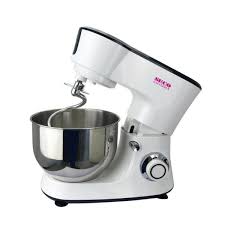
Stand Mixer
Stand mixers are a positive influence in home kitchens and on small batches.
This dough machine for pizza is best suited to those who occasionally make pizza or do so in batches of one, two, or three small recipes at any given time.
The main limit is capacity. Even if you pack it with heavy dough, the motor may heat up, or the dough could get stuck on top of the hook.
Spiral Dough Mixer
Spiral mixers are often the strongest pick for those who want to get serious about pizza. It utilizes a spiral hook and rotating bowl to stretch the dough gently, yielding an even coat.
It works with gluten, which helps lower friction heat versus many planetary mixers.
Improve Batch Control: As for a shop that sells pizza every day, now batch control can be improved with this dough machine for pizza.
Spiral mixers are typically seen in pizzerias and bakeries since they come equipped for higher hydration-heavy doughs, larger batches at a single time, and long-term use.
Commercial Dough Mixer
The commercial dough mixer is designed for use in restaurants, bakeries, hotels, and busy pizza counters. It weighs more, it is stronger, and it serves better with longer working hours.
Details, like the size of bowls, strength of motors at touchpoints for spare-part support, and cleaning time—all things that matter to business buyers, including hotels. A small home unit slows down production when the orders start to rise.
Bread Machine With Dough Setting
If you are very new, using a bread machine with a dough setting can also assist! Effortlessly mixes and kneads.
The tradeoff is control. You may not have the same liberty on mixing time, dough temperature, hydration, or batch size. Good for basic home usage, but not ideal really for serious pizza making.
Best Features of a Dough Machine For Pizza That You Should Look For Before Buying
Bowl Capacity
This is not your batch size, but start with that.
Capacity should match your routine. A tiny bowl produces repeated batches. More often than not, a giant bowl is overkill for small amounts of dough.
Kneaders with a 3.25 kg capacity are offered by Brothers Home, which demonstrates that the ability to suit home use can be calculated in accordance with utilization.
Motor Power
Pizza dough machine can be heavy. An undersized motor will struggle, overheat, and wear out more quickly. Opt for reliable capabilities instead of fancy functionality.
For home users, a kneader of medium power may suffice. Select a motor designed for everyday pressure if it is purely business-related.
Quality of Dough Hook or Spiral Hook
The attachment matters. A bad hook may turn without necessitating kneading. An improved version beats and kneads the dough until it is smooth and elastic.
In the case of a pizza dough machine, get a strong hook and bowls that do not leave dry flour at the edges.
Speed Settings
Generally speaking, pizza dough machine need to start slow. Lower velocities are useful to combine flour and water with little mess. Kneading to build strength is controlled once the dough has already come together.
A huge no at the start; it heats your dough too fast and makes it sticky. Common advice for spiral mixers comes with slow speeds and the emphasis on avoiding overload and monitoring dough temperature.
Build Material
Search for a durable body with food-safe components. Stainless steel bowls are the most widely used of all food utensils, as they can be cleaned easily and are more hygienic.
Dependable mixing and easy handling of kneader choppers for confident and stable operation points are why Brothers Home offers a food-safe design.
Easy Cleaning
What needs to be kept in mind is that cleaning should not feel like a second job. They have removable bowls and nonstick surfaces, which help you clean things after every use.
And this matters at home but is even more turned up in business. Food safety is supported with a clean machine that’s moving the kitchen along.
Commercial vs Home Dough Machines for Pizza
If you are looking for a home user, then most of the time, they want a smaller size and lower cost that is easy to store. A stand mixer or a small kneader can work for even homebuyers who cook pizza once every week.
Commercial users need output. Commercial Dough Machine for Pizza: Larger amounts, continuous use for wads of dough/kneading/strong unit motor work, and rapid cleaning between evening and day shift deadlines are important in this type.
Think about future volume, too. For it, if pizza sales are on the rise, investing in smaller ones may incur higher costs later. The best choice for businesses is the one that keeps things consistent and does not disrupt their workday.
Using a dough machine for pizza
Start with your recipe. Add the flour, water, yeast (and anything else as recommended by the recipe) in that order. Start slow at first so the flour can hydrate without making a mess.
Knead until the dough is smooth and elastic.
Cover the dough and let it rest after kneading. The combination of resting allows gluten to de-stress and fermentation to kickstart. Then rate it, shape it, and get ready for baking.
A pizza dough machine is here to do the heavy lifting for you, but good pizza does require some waiting. Yes, it does, and you mix it well, let it rest, and bake it.
Common Mistakes to Avoid
Do not overload the bowl. It works on the engine and supplies unequaled dough to it.
Do not use high speed too early; it could have warmed up the dough, causing it to become difficult to work with.
Don’t establish the habit of reaching for additional food before it’s necessary. Let the dough soak up water.
Do not skip resting. Even if you knead it well, the dough still has to keep a sane rest.
Never buy small machines for commercial work. Purchasing a dough machine for pizza is an investment; ordering the incorrect measurement will make your kitchen even slower.
The Best Dough Machine for Pizza: What are Your Choices?
We recommend beginners start with a stand mixer or small kneader. Bakers frequently needing to feed pizza addicts may need a stronger stand mixer or compact spiral mixer.
For small businesses, a commercial spiral mixer or heavy-duty kneader is recommended. What is the type of dough mixer suitable for high-volume pizzerias that make batches every day?
Brothers Home recommends you filter first based on usage: family, small food business, or daily commercial prep. The right choice becomes easier once you know the batch size.
FAQs
A regular mixer is not ideal for pizza dough machine?
Yes. It needs to have sufficient power and a heavy-duty dough hook. Firm dough can be an issue with light mixers.
Better Pizza Dough Machine: Spiral Mixer?
Yes, if you make lots of pizza in bulk. The spiral mixers are better for the strength of the dough, consistency, and temperature control.
Machine Size for Home Use: What Do I Need?
You can have a small (or medium-capacity) stand mixer or kneader, enough for one or two people. Choose 2 pizzas per batch.
Can a dough machine save your crust?
Yes. Well-kneaded dough = stretchy, elastic dough that can give you a better crust-fold while enhancing rise and bite.
What to Check Before a Business Purchase?
This includes checking capacity, motor strength, and build quality, along with ease of cleaning, spare parts support, and supplier reliability.