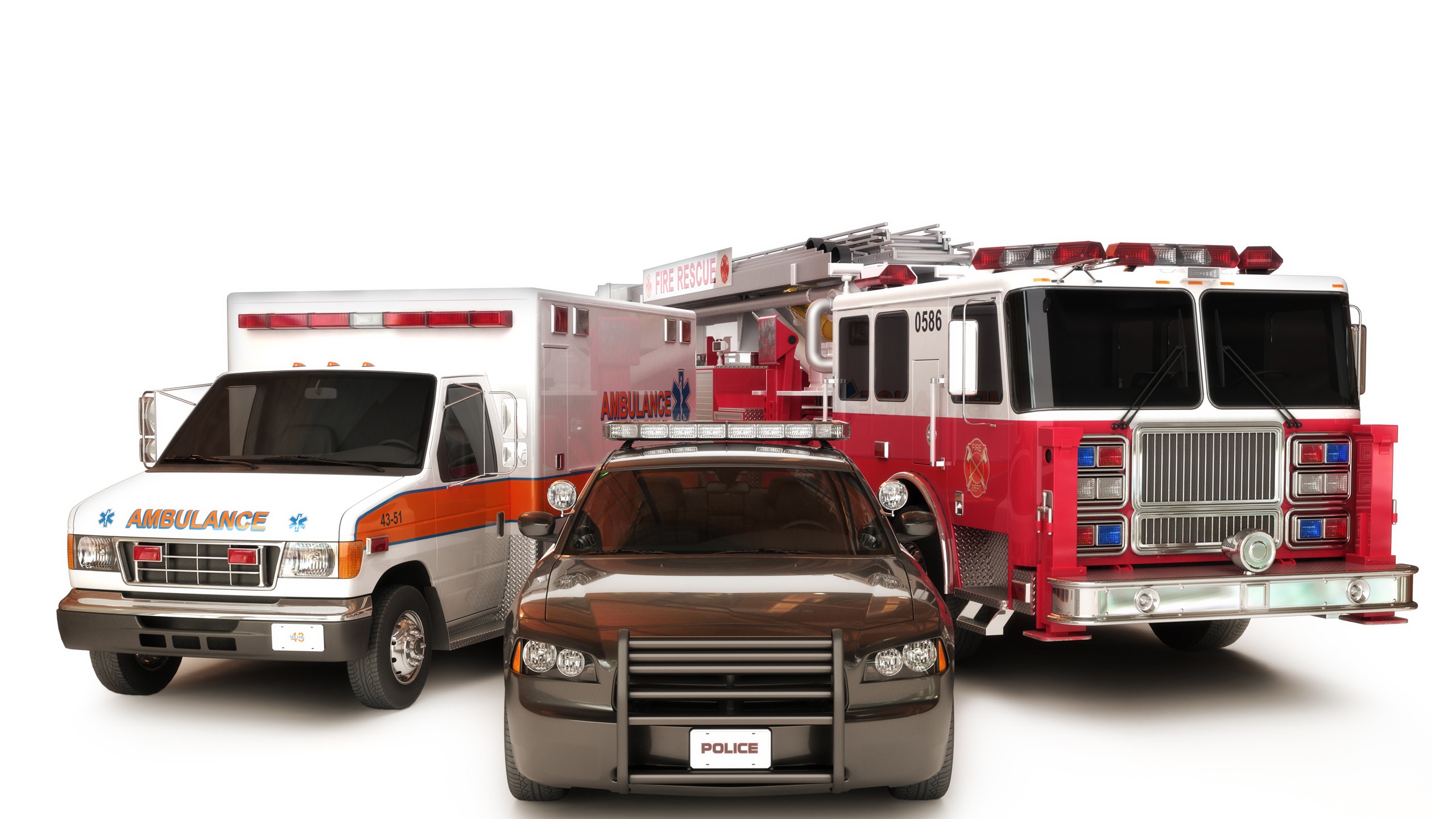
Fire trucks and ambulances are not ordinary vehicles—they are life-saving machines that must always stay in perfect working condition. Any delay, breakdown, or maintenance failure can directly impact emergency response and put lives at risk. This is why modern repair shop software plays a critical role in managing the maintenance and repair of emergency vehicles efficiently.
In this article, we will explore how repair shop software improves fire truck and ambulance maintenance, the key benefits it offers, and why every emergency vehicle repair facility should adopt it.
Importance of Maintaining Fire Trucks and Ambulances
Fire trucks and ambulances operate under extreme pressure. They are expected to:
- Respond instantly to emergencies
- Operate in harsh conditions
- Carry heavy equipment and medical tools
- Stay ready 24/7 without downtime
Because of this, their maintenance requirements are far more strict than regular vehicles. Even a small mechanical issue can lead to mission failure. This is where digital repair management systems become essential.
What is Repair Shop Software?
Repair shop software is a digital management system designed to help workshops track, organize, and manage vehicle repairs and maintenance tasks.
For emergency vehicle fleets, this software helps manage:
- Service schedules
- Repair histories
- Parts inventory
- Technician assignments
- Emergency repair requests
- Vehicle availability status
It acts as a centralized system that improves efficiency, accuracy, and response time.
How Repair Shop Software Improves Emergency Vehicle Maintenance
1. Preventive Maintenance Scheduling
One of the biggest advantages of repair shop software is automated scheduling.
Fire trucks and ambulances require regular maintenance such as:
- Engine checks
- Brake inspections
- Tire replacements
- Emergency light testing
The software automatically schedules these tasks, ensuring no maintenance is missed. This reduces breakdown risks and keeps vehicles always ready for emergencies.
2. Faster Repair Processing
In emergency services, time is everything.
Repair shop software helps speed up repairs by:
- Logging issues instantly
- Assigning tasks to available technicians
- Tracking repair progress in real-time
- Reducing manual paperwork
This means fire trucks and ambulances spend less time in the workshop and more time on duty.
3. Complete Maintenance History Tracking
Every emergency vehicle has a long service life and requires detailed records.
The software stores:
- Previous repairs
- Part replacements
- Inspection reports
- Accident repair history
This helps technicians quickly understand recurring issues and make better repair decisions.
4. Inventory Management for Spare Parts
Emergency vehicle repairs often depend on fast availability of spare parts.
Repair shop software tracks:
- Stock levels
- Spare part usage
- Reorder alerts
- Supplier details
This prevents delays caused by missing parts and ensures quick repair turnaround times.
5. Technician Assignment & Workflow Management
The software allows managers to assign jobs based on:
- Technician skill level
- Workload balance
- Urgency of repair
This ensures that critical vehicles like ambulances and fire trucks get priority treatment from experienced technicians.
6. Emergency Repair Prioritization
Not all repair jobs are equal. Ambulances and fire trucks Repair Shop Software must always be top priority.
Repair shop software allows:
- Emergency job tagging
- Priority-based scheduling
- Instant alerts for critical repairs
This ensures life-saving vehicles are never delayed behind non-essential jobs.
7. Real-Time Fleet Monitoring
Advanced systems allow workshops and fleet managers to monitor vehicle status in real time.
This includes:
- Vehicle availability
- Active repairs
- Maintenance due alerts
- Operational readiness
This improves coordination between emergency departments and repair teams.
8. Reduced Downtime and Cost Efficiency
By improving planning and reducing delays, repair shop software helps:
- Minimize vehicle downtime
- Reduce unnecessary repair costs
- Prevent major breakdowns through early detection
This leads to long-term savings and better fleet performance.
Key Features to Look for in Repair Shop Software
When choosing software for fire truck and ambulance maintenance, look for:
- Automated maintenance scheduling
- Emergency job prioritization
- Inventory tracking system
- Mobile access for technicians
- Real-time reporting dashboard Automated maintenance scheduling
- Emergency job prioritization
- Inventory tracking system
- Mobile access for technicians
- Real-time reporting dashboard
- Cloud-based data storage
- Vehicle history tracking
These features ensure smooth operations and better emergency readiness.
Why It Matters for Emergency Services
Fire departments and ambulance services depend on reliability. Even a single vehicle failure can delay emergency response and risk human lives.
Repair shop software ensures:
- Vehicles are always ready
- Maintenance is never missed
- Repairs are completed faster
- Resources are used efficiently
It transforms traditional workshops into smart, organized maintenance systems.
Conclusion
Fire trucks and ambulances require precise and timely maintenance to perform their life-saving duties. Traditional manual systems are no longer enough to manage the complexity of emergency vehicle fleets.
Repair shop software brings automation, speed, and accuracy to the maintenance process. From preventive scheduling to real-time tracking and emergency prioritization, it ensures that every vehicle stays fully operational when it matters most.
Investing in the right software is not just a business decision—it’s a commitment to saving lives through better preparedness and efficiency.