
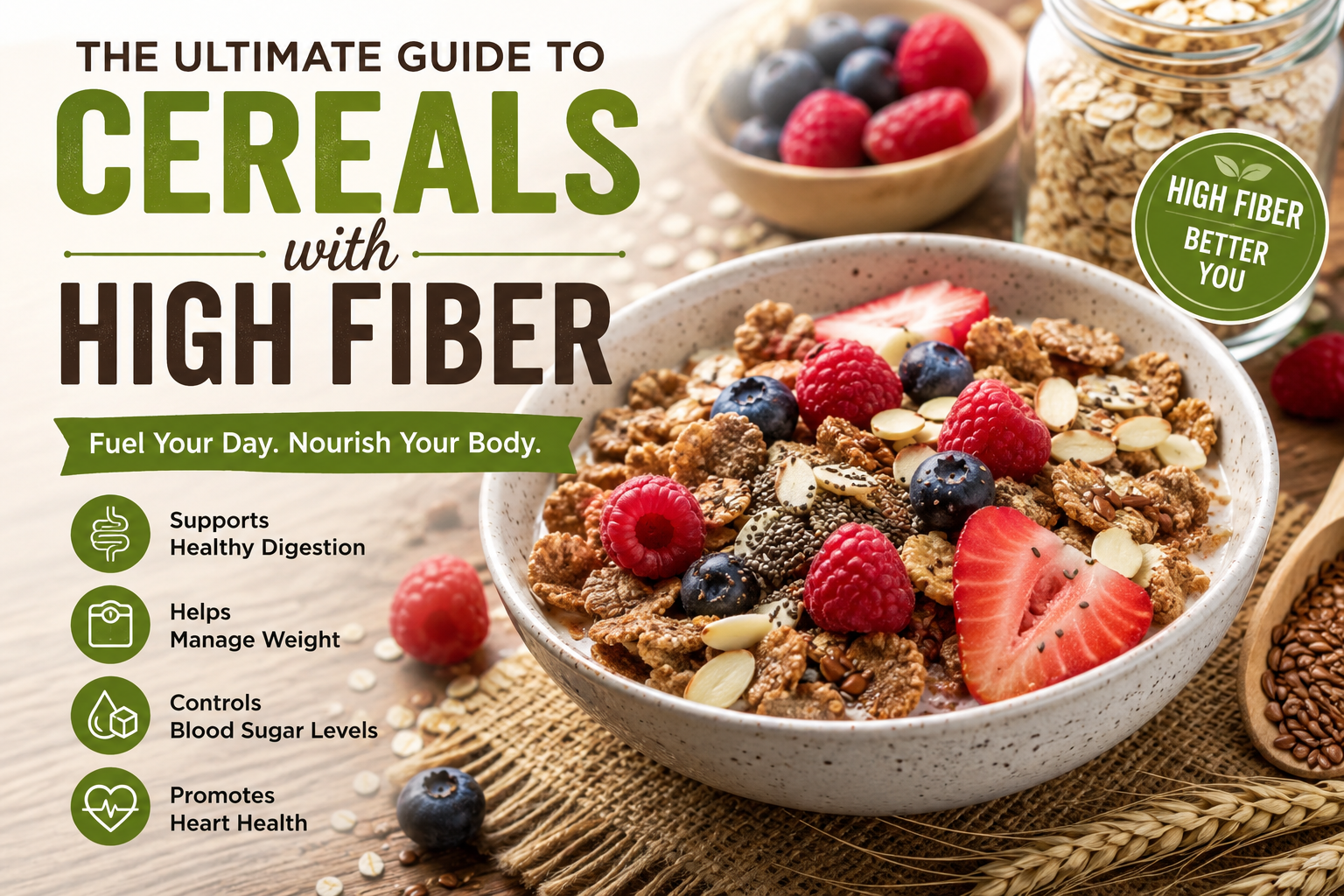
Breakfast sets the tone for your entire day. If you find yourself reaching for a mid-morning snack just an hour after eating, your breakfast might be missing a crucial nutrient: fiber. Switching to cereals with high fiber can transform your mornings. It keeps you full, supports digestion, and provides lasting energy.
Finding the right high-fiber cereal can feel overwhelming when you stand in the grocery store aisle. Boxes feature bright colors and bold health claims, making it hard to separate marketing from real nutrition. This guide breaks down everything you need to know about high-fiber cereals, how to choose the best ones, and why they matter for your overall well-being.
What is Dietary Fiber?
Before we look at specific cereals, we need to understand what fiber actually does. Dietary fiber is a type of carbohydrate found in plant foods. Unlike other carbs that break down into sugar molecules, fiber passes through your body undigested. Fiber comes in two main forms, and a good cereal will often provide a mix of both:
Soluble Fiber
Soluble fiber dissolves in water to form a gel-like substance in your digestive tract. This type of fiber helps lower blood cholesterol and glucose levels. You will find soluble fiber in oats, barley, nuts, seeds, beans, lentils, peas, and some fruits and vegetables.
Insoluble Fiber
Insoluble fiber does not dissolve in water. Instead, it adds bulk to your stool and helps food move through your stomach and intestines. This is the fiber that prevents constipation and keeps you regular. Whole wheat flour, wheat bran, nuts, beans, and vegetables like cauliflower and potatoes are excellent sources of insoluble fiber.
Top Health Benefits of High-Fiber Cereals
Eating a bowl of high-fiber cereal every morning does more than just fill your stomach. Consistent fiber intake offers major, long-term health benefits.
1. Supports Healthy Digestion
The most well-known benefit of fiber is its ability to keep your digestive system running smoothly. Insoluble fiber absorbs water and adds bulk to your digestive tract, making it easier for your body to process and eliminate waste.
2. Helps Manage Weight
High-fiber foods tend to be more filling than low-fiber foods. When you eat a bowl of high-fiber cereal, you are likely to eat less and stay satisfied longer. This prevents overeating and unnecessary snacking throughout the day, which helps maintain a healthy weight.
3. Controls Blood Sugar Levels
Because your body cannot absorb and break down fiber, it does not cause a spike in blood sugar the way other carbohydrates do. Soluble fiber slows the absorption of sugar, which helps improve blood sugar levels. This makes high-fiber cereals a smart choice for anyone looking to maintain steady energy levels.
4. Promotes Heart Health
Studies consistently show that people who eat high-fiber diets have a lower risk of heart disease. Soluble fiber binds to cholesterol particles in your digestive system and helps move them out of your body before they can be absorbed.
How to Choose the Best High-Fiber Cereal
Not all cereals are created equal. Many products claim to be healthy but hide massive amounts of added sugar. Here is how to read the label and choose a cereal that actually supports your health goals.
Rule 1: Check the Fiber Content
A cereal should have at least 5 grams of fiber per serving to be considered a “high-fiber” option. Some bran cereals offer up to 15 grams per serving. Always check the serving size, as some brands list a surprisingly small amount of cereal as one serving.
Rule 2: Watch the Added Sugar
Sugar often hides the natural, earthy taste of whole grains. A great high-fiber cereal should contain fewer than 8 grams of added sugar per serving. Ideally, look for options with 5 grams of sugar or less.
Rule 3: Look for Whole Grains
The first ingredient on the box should be a whole grain. Look for words like “whole wheat,” “whole oats,” or “wheat bran.” If the first ingredient is refined flour or sugar, put the box back on the shelf.
Quick Reference: Ingredients to Look For
| Ingredient | Fiber Type | Primary Benefit |
| Wheat Bran | Insoluble | Promotes bowel regularity and digestive health |
| Rolled Oats | Soluble | Helps lower cholesterol and stabilize blood sugar |
| Flaxseed | Both | Adds healthy omega-3 fatty acids and extra fiber |
| Chia Seeds | Soluble | Absorbs liquid to keep you full for hours |
| Psyllium Husk | Soluble | Excellent for heart health and gentle digestion |
The Best Types of High-Fiber Cereals on the Market
If you want to build a better breakfast, here are the main categories of high-fiber cereals to look for during your next grocery trip.
Bran Cereals
Bran cereals are the undisputed champions of the fiber world. Bran is the hard outer layer of the cereal grain, packed with nutrients and insoluble fiber. Traditional bran flakes or twigs can offer anywhere from 5 to 15 grams of fiber per cup. They have a hearty, earthy flavor that pairs perfectly with a handful of berries.
Oatmeal and Oat-Based Cereals
Oats are incredibly versatile and rich in beta-glucan, a powerful soluble fiber. Whether you choose traditional rolled oats, steel-cut oats, or toasted oat circles, you are making a smart choice for your heart. Avoid instant oat packets that come loaded with artificial flavors and refined sugars.
Shredded Wheat
Shredded wheat cereals are beautifully simple. Many brands make them with just one ingredient: 100% whole wheat. A standard serving provides around 6 grams of fiber and zero added sugars. They hold their crunch well in milk and serve as a perfect blank canvas for fresh fruit.
Muesli
Muesli is a traditional European breakfast mix made of raw rolled oats, nuts, seeds, and dried fruit. Because it remains uncooked and unprocessed, it retains a massive amount of natural dietary fiber. You can eat it cold with milk, soak it overnight, or warm it up like traditional oatmeal.
The Role of Packaging in Cereal Freshness
High-fiber cereals often contain natural oils from whole grains, nuts, and seeds. If exposed to air and moisture, these natural ingredients can quickly go stale or become rancid. The way a cereal is packaged directly impacts its shelf life, crunch, and nutritional integrity.
Brands rely on advanced packaging solutions to lock in freshness. When cereal brands want to preserve that fresh crunch and protect delicate whole grains, they often partner with experts like Silver Edge Packaging. Utilizing high-quality custom cereal packaging ensures that moisture stays out, the product remains safe during shipping, and the fiber-rich goodness stays intact from the factory to your breakfast bowl. Proper packaging also prevents the cereal from crumbling into dust, ensuring you get perfectly formed flakes or clusters in every pour.
Creative Ways to Add More Fiber to Your Morning Bowl
Even if you already eat a great cereal, you can always boost its nutritional profile. Customizing your bowl adds exciting textures and flavors while maximizing your morning fiber intake.
Add Fresh or Frozen Fruit
Berries are fiber powerhouses. A single cup of raspberries contains an astonishing 8 grams of fiber. Blackberries, strawberries, and blueberries also add natural sweetness without the need for refined sugar. Sliced apples and pears (leave the skin on!) provide a satisfying crunch and a heavy dose of pectin, a beneficial soluble fiber.
Stir in Seeds and Nuts
Seeds are small but mighty. Just one tablespoon of chia seeds or ground flaxseed adds about 3 grams of fiber to your bowl. Almonds, walnuts, and pecans provide a healthy crunch, extra protein, and heart-healthy fats that help your body absorb fat-soluble vitamins.
Table: Simple Fiber Boosters for Your Cereal
| Add-in (1 Serving) | Dietary Fiber (grams) | Extra Benefits |
| Raspberries (1 cup) | 8.0g | High in vitamin C and antioxidants |
| Chia Seeds (2 tbsp) | 9.8g | Rich in Omega-3 fatty acids |
| Sliced Almonds (1 oz) | 3.5g | Good source of Vitamin E and protein |
| Pear with skin (1 medium) | 5.5g | Hydrating and rich in potassium |
| Ground Flaxseed (2 tbsp) | 3.8g | Contains lignans which support heart health |
Potential Side Effects of Eating Too Much Fiber (and How to Avoid Them)
While fiber is incredibly healthy, adding too much to your diet too quickly can cause discomfort. Your digestive system needs time to adjust to an increased workload.
If you suddenly switch from a low-fiber diet to eating massive bowls of bran every morning, you might experience bloating, gas, or stomach cramps. To avoid these uncomfortable side effects, follow these simple rules:
- Start Slow: Increase your fiber intake gradually over a few weeks. Start by replacing half of your regular cereal with a high-fiber option, then slowly transition to a full bowl.
- Drink Plenty of Water: Fiber absorbs water like a sponge. If you eat a lot of fiber without drinking enough fluids, it can actually cause constipation. Aim to drink at least 8 glasses of water throughout the day.
- Keep Moving: Light physical activity, like a daily walk, helps stimulate your digestive tract and keeps things moving smoothly.
Conclusion
Switching to cereals with high fiber is one of the easiest and most effective changes you can make for your health. By choosing cereals packed with whole grains, watching out for hidden sugars, and adding fiber-rich toppings like berries and seeds, you set yourself up for sustained energy and better digestion. Remember to read the labels carefully, appreciate the packaging that keeps your food fresh, and drink plenty of water as you increase your daily fiber intake. Your body—and your heart—will thank you.
Frequently Asked Questions (FAQs)
How much fiber should I eat every day?
Most health organizations recommend that adult women aim for 21 to 25 grams of fiber per day, while adult men should aim for 30 to 38 grams per day.
Can kids eat high-fiber cereals?
Yes, kids benefit from fiber just as much as adults do. However, their daily requirements are lower. A good rule of thumb for children is to take their age and add 5 to determine their daily fiber goal in grams (e.g., a 7-year-old needs about 12 grams). Introduce high-fiber cereals slowly and ensure they drink plenty of water.
Does milk affect the fiber in my cereal?
No, milk does not destroy or alter the fiber content in your cereal. Whether you use dairy milk, almond milk, or oat milk, the fiber passes through your digestive system exactly the same way.
Is it better to eat high-fiber cereal in the morning or at night?
You can eat high-fiber cereal at any time of day. Morning is popular because it provides lasting energy and prevents mid-day snacking. However, eating a small bowl in the evening can also keep you full and prevent late-night junk food cravings.
Why does my high-fiber cereal get soggy so fast?
Whole grains naturally absorb liquid quickly. Cereals with high amounts of soluble fiber (like oats) will soften rapidly in milk. To keep your cereal crunchy, try adding milk right before you eat, or use a cereal that features an insoluble fiber base like wheat bran.