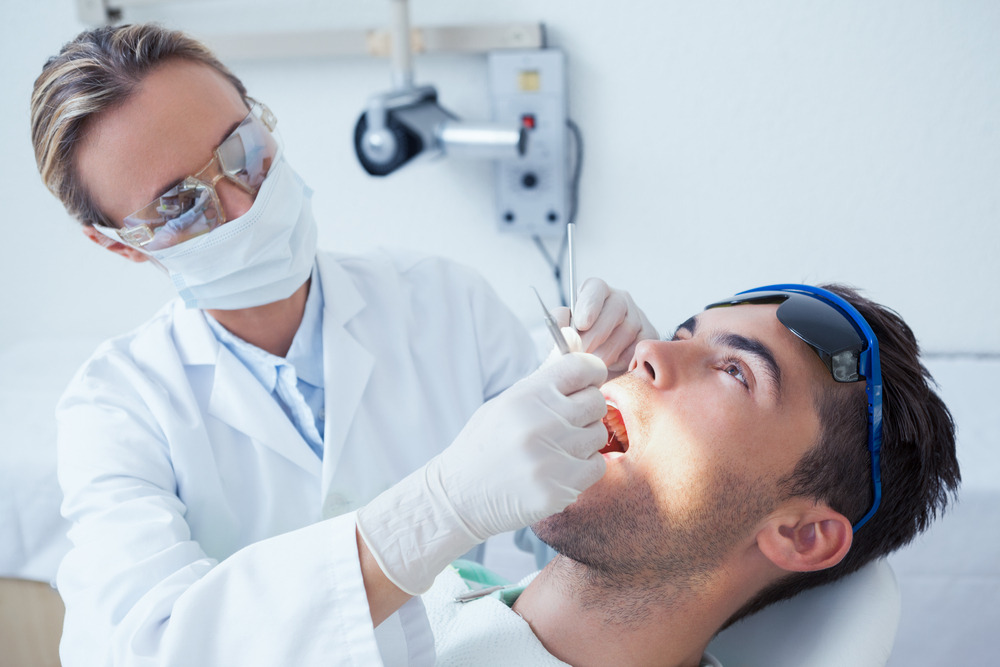
Dental emergencies can occur unexpectedly, causing pain, discomfort, and even anxiety. Knowing how to handle these situations effectively can prevent further damage and reduce the risk of serious complications. While regular dental checkups and preventive care can minimize emergencies, it’s essential to understand what qualifies as a dental emergency and how to respond promptly.
In this blog, we’ll discuss common dental emergencies, their causes, and effective ways to manage them until you can receive professional care.
Toothache: The Most Common Dental Emergency
Toothaches are one of the most frequent dental emergencies experienced by adults and children. They are often caused by tooth decay, infection, gum disease, or even trauma to the tooth. The pain can range from mild discomfort to severe throbbing that affects your daily activities.
How to handle a toothache:
- Rinse your mouth with warm water to clean it.
- Use dental floss to remove any trapped food between teeth.
- Apply a cold compress to the outside of your cheek to reduce swelling.
- Take over-the-counter pain relievers if necessary.
While these measures can help manage pain temporarily, it’s important to consult a dentist promptly. If a toothache is caused by severe decay or infection, you may need Root Canal Treatment in Chandigarh to save the tooth and prevent further complications.
Chipped or Broken Teeth
A chipped or broken tooth can occur due to accidents, falls, sports injuries, or biting on hard objects. Even minor chips can lead to sharp edges that cause discomfort or cut your tongue and gums.
Immediate steps to take:
- Rinse your mouth gently with warm water.
- Apply a cold compress to the affected area to reduce swelling.
- Save any broken pieces of the tooth and bring them to the dentist.
Prompt dental attention is essential, as untreated chipped or broken teeth can lead to infection or further damage. Your dentist may recommend restorative procedures such as bonding, crowns, or veneers depending on the severity of the break.
Knocked-Out Teeth
A tooth that is completely knocked out is a dental emergency requiring immediate action. The sooner the tooth is re-implanted, the higher the chances of saving it.
What to do:
- Handle the tooth carefully by holding the crown, not the root.
- Rinse the tooth gently with water if it is dirty, but do not scrub it.
- Try to place the tooth back into its socket if possible, or store it in milk or a tooth preservation solution.
- Seek emergency dental care immediately.
Quick and proper action can significantly improve the outcome and may help save the tooth.
Abscess or Infected Tooth
An abscess is a pocket of pus caused by a bacterial infection. It can result from untreated cavities, gum disease, or trauma. Symptoms include severe toothache, swelling, fever, and a foul taste in the mouth.
Managing an abscess:
- Rinse your mouth with warm saltwater to help reduce bacteria.
- Avoid applying pressure to the affected area.
- Take over-the-counter painkillers for temporary relief.
Professional treatment is necessary to remove the infection and prevent it from spreading. Depending on the severity, treatment could involve draining the abscess, prescribing antibiotics, or performing Root Canal Treatment Cost in Chandigarh, which is generally more cost-effective than extraction and replacement.
Loose or Dislodged Dental Work
Crowns, fillings, and bridges may become loose or dislodged due to trauma, decay, or wear over time. A loose dental restoration can expose the tooth underneath to bacteria, causing pain and increasing the risk of infection.
What to do in this situation:
- Rinse your mouth to keep the area clean.
- Try to keep the crown or restoration and bring it to the dentist.
- Avoid chewing on the affected side until treatment is received.
Your dentist will assess the restoration and either re-cement it or recommend a replacement to protect your tooth.
Broken Braces or Wires
For individuals undergoing orthodontic treatment, broken braces or wires can be uncomfortable and even cause injury to the mouth.
How to handle it:
- Cover any sharp edges with orthodontic wax.
- Use a cotton ball or gauze to protect the area.
- Contact your orthodontist as soon as possible for repairs.
Delaying care can result in prolonged discomfort and may affect your treatment progress.
Soft Tissue Injuries
Accidents and falls can cause injuries to the lips, tongue, gums, and cheeks. While these injuries may not involve teeth, they can be painful and increase the risk of infection.
First aid steps:
- Rinse your mouth with clean water to remove debris.
- Apply pressure with gauze to stop bleeding.
- Use a cold compress to reduce swelling.
Seek dental care if the injury is severe, bleeding does not stop, or if there is a risk of damage to the teeth or jaw.
Prevention and Preparedness
While dental emergencies can’t always be avoided, taking preventive measures can reduce their likelihood:
- Visit a dentist regularly for checkups and cleanings.
- Wear a mouthguard during contact sports.
- Avoid chewing on hard objects like ice or pens.
- Maintain proper oral hygiene, including brushing and flossing.
Having a trusted dentist in chandigarh ensures that your family has access to immediate guidance and care in case of an emergency. They can provide advice on first-aid measures and arrange urgent appointments when necessary.
Conclusion
Dental emergencies can be stressful and painful, but knowing how to handle them can prevent further damage and ensure better outcomes. From toothaches and chipped teeth to abscesses and knocked-out teeth, timely action is critical.
Consulting a professional promptly not only relieves pain but also reduces the risk of severe complications. Treatments like Root Canal Treatment in Chandigarh are available to save infected teeth, while understanding the Root Canal Treatment Cost in Chandigarh can help you plan for necessary procedures without delay.
Being prepared and choosing a reliable dentist ensures that you and your family receive prompt, effective care, keeping your teeth healthy and strong even in emergency situations.