
Ahmed had just moved into his newly renovated house in Lahore. Everything looked perfect until one evening the lights in the kitchen started flickering every time the microwave and electric kettle ran together.
“Maybe it’s normal,” he told his brother.
But when a burning smell came from the switchboard a few days later, they immediately called an electrician.
After checking the wiring, the electrician said something simple but important: “Your appliances are modern, but the house wiring behind the walls is outdated.”
That moment changed how Ahmed looked at electricity inside a home.
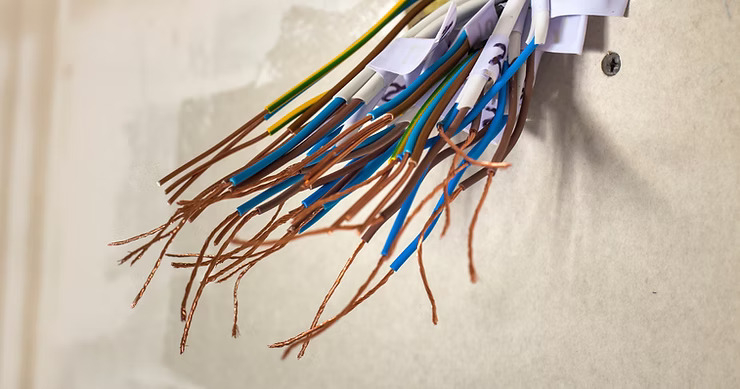
Most people spend money on paint, furniture, and decoration, yet rarely think about the hidden network of electrical cables, electric wires, and copper cables running through the walls every single day.
The truth is simple: Good residential wiring is not only about powering lights and fans. It protects your family, appliances, and property from dangerous electrical problems.
This guide explains everything homeowners should know about house wiring, cable types, safety practices, common mistakes, and modern wiring systems used in homes today.
What Is Residential Electrical Wiring?
Residential electrical wiring refers to the complete electrical network installed inside homes.
It includes:
- Power cables
- Switchboard wiring
- Socket connections
- Circuit breakers
- Grounding systems
- Insulated wires and cables
The job of this system is simple. It safely carries electricity throughout the house.
Without proper general wires for house wiring, electrical systems can become unstable, unsafe, and inefficient.
Why Is Good House Wiring So Important?
Many people only think about wiring when a problem appears.
But quality house wiring affects daily life more than most homeowners realize.
A proper wiring system helps:
- Prevent overheating
- Protect expensive appliances
- Maintain stable voltage
- Reduce fire risks
- Improve electrical efficiency
In homes across Pakistan, rising electricity usage has made proper general house wiring in Pakistan more important than ever.
Air conditioners, microwaves, washing machines, and electric water heaters all place extra pressure on electrical systems.
Did you know? According to electrical safety studies, overloaded or damaged residential wiring is one of the leading causes of electrical fires in homes worldwide.
What Are The Main Components Of Residential Wiring?
A complete residential electrical system contains several important parts.
Electrical Cables
Electrical cables carry electrical current throughout the home and connect every room, appliance, switch, and power outlet. They form the foundation of the entire wiring system and help maintain stable electricity flow. Different areas of the house may require different cable sizes depending on power demand and appliance usage. Choosing the correct cable type improves safety, reduces overheating risks, and supports long-term electrical performance inside residential environments.
Circuit Breakers
Circuit breakers protect the house from overload, short circuits, and electrical faults. They act as automatic safety devices that disconnect power when electrical flow exceeds safe limits. This helps prevent damage to appliances, reduces fire risk, and protects the wiring system from excessive heat. Modern homes usually include multiple circuit breakers to separate lighting, sockets, and heavy-load appliances for better safety and easier electrical management.
Switches And Sockets
Switches and sockets control electricity distribution inside the house and allow safe access to electrical power. Switches manage the flow of electricity to lights and connected devices, while sockets supply power to appliances and electronics. Their placement and quality directly affect convenience and electrical safety. Proper installation and suitable load handling reduce electrical stress and support efficient energy use across different areas of the home.
Grounding System
The grounding system protects people and appliances from electric shock during faults, leakage, and unexpected electrical conditions. It creates a safe path for excess electrical current to move into the ground instead of passing through equipment or individuals. Proper grounding also helps stabilize voltage and improves the performance of protective devices inside the electrical system. A well-installed grounding setup remains one of the most important parts of residential wiring safety.
Why Do Most Electricians Prefer Copper Cables?
Copper remains one of the most trusted materials used in residential wiring.
“The value of an idea lies in the using of it.” Thomas Edison
The same idea applies to electrical systems. A wiring system only performs well when the right materials are used properly.
Advantages Of Copper Wiring
- Better Conductivity: Copper carries electricity efficiently with minimal energy loss.
- Long Lifespan: Properly installed copper wiring can last for decades.
- Heat Resistance: Copper performs better under electrical load compared to many alternatives.
- Strong Mechanical Strength: Copper wires handle installation stress more effectively.
Because of these advantages, many homeowners search for reliable general house wiring in Pakistan using quality copper conductors.
What Does KV Mean In Residential Wiring?
Many people notice “KV” ratings on cables but do not understand what they mean.
KV stands for kilovolt, which represents voltage capacity.
Residential wiring usually operates at low voltage ranges suitable for homes.
The correct cable rating helps maintain safety and stable performance.
What Happens If Wrong Cables Are Used?
Using incorrect cables creates serious electrical risks.
Common problems include:
- Overheating
- Voltage drop
- Flickering lights
- Appliance damage
- Circuit breaker trips
In severe situations, poor cable selection can even create fire hazards.
How Do You Choose The Right House Wiring?
Choosing proper wiring depends on several things.
Load Requirements
Different appliances require different current capacity.
For example:
- Air conditioners need heavier wiring
- Lighting circuits need smaller cable sizes
Installation Area
Indoor and outdoor environments require different insulation protection.
Safety Standards
Always use quality certified cables for residential projects.
Common Mistakes People Make In Residential Wiring
Many electrical issues start because of small installation mistakes.
Overloading One Circuit
This is one of the most common problems in homes.
People connect multiple heavy appliances to a single circuit without realizing the pressure placed on the wiring.
Signs Of Overloading
- Warm switchboards
- Flickering lights
- Frequent breaker trips
Better Practice: Distribute electrical load properly across different circuits.
Ignoring Grounding: Some homeowners overlook grounding systems to reduce installation costs.
This creates major safety risks.
Grounding helps redirect dangerous fault current safely.
Using Low Quality Electrical Cables
Cheap wiring products may save money initially, but they often create expensive repair problems later.
Poor quality cables may have:
- Weak insulation
- Lower copper purity
- Reduced durability
How Often Should Residential Wiring Be Inspected?
Electrical systems require periodic checking, especially in older homes.
- Homes Older Than 15 Years: Older homes often contain outdated wiring systems unable to handle modern appliances.
- Renovated Homes: New appliances may increase electrical load beyond original wiring capacity.
- Areas With Voltage Fluctuation: Homes in regions with unstable power conditions should inspect wiring more regularly.
What Is The Difference Between Concealed And Open Wiring?
Concealed Wiring
This method hides wires inside walls and ceilings.
Advantages include:
- Cleaner appearance
- Better protection
- Reduced physical damage
Open Wiring
Open wiring remains visible outside walls.
This method is commonly used in temporary installations or industrial environments.
What Should Homeowners Ask Before Installing Wiring?
Before starting a residential wiring project, ask these questions:
- Is the cable load capacity suitable?
- Are proper circuit breakers included?
- Is grounding installed correctly?
- Are future appliance loads planned?
Planning ahead prevents future electrical issues.
What Makes A Residential Wiring System Safe?
A safe electrical system combines several important elements.
- Quality Cables: Good electrical cables maintain stable current flow and resist overheating.
- Proper Installation: Even high quality cables fail when installed incorrectly.
- Circuit Protection: Breakers and grounding systems reduce electrical hazards.
- Regular Maintenance: Inspection and maintenance improve long term safety.
Why Professional Installation Matters
Electrical installation is not a DIY experiment.
Improper wiring creates risks for:
- People
- Property
- Appliances
Certified professionals understand:
- Load calculation
- Cable sizing
- Protection systems
- Installation safety
Good installation improves both performance and lifespan.
Why Universal Cables Industries Ltd. Is Trusted For Residential Wiring
When homeowners and contractors search for trusted wiring solutions, quality and experience become extremely important.
Universal Cables Industries Ltd. is recognized among the leading electric cables manufacturers in Pakistan, offering reliable solutions for residential, commercial, and industrial electrical systems.
Known as Pakistan’s premium selling copper cables since 1978., the company has developed a strong reputation for manufacturing durable and high performance cable products.
Their wide product range supports modern residential wiring requirements, helping customers choose some of the best cables in Pakistan for safer and more efficient electrical installations.
With decades of manufacturing expertise, the company continues serving projects that demand long lasting and secure electrical performance.
Your Home’s Safety Starts Behind The Walls
Most people never see the wiring inside their walls.
Still, it quietly powers every important part of daily life
Lights, fans, kitchen appliances, internet systems, and air conditioners all depend on safe and properly installed wiring.
That is why residential electrical systems should never be ignored or treated as a low priority expense.
“Our virtues and our failings are inseparable.” Nikola Tesla
The same applies to electrical systems. A home becomes safe or dangerous based on the quality of the wiring hidden inside it.
Choosing proper copper cables, quality installation, and regular inspection can protect your family and property for many years.
Good wiring is not just about electricity.
It is about safety, comfort, and peace of mind.
FAQs
Which wire is best for residential house wiring?
Copper cables are commonly preferred because they offer better conductivity, durability, and long operational life.
Why is insulation important in electrical cables?
Insulation protects cables from moisture, short circuits, and electric shock.
How do I know if my house wiring is outdated?
Frequent breaker trips, flickering lights, burning smells, and warm sockets are common warning signs.
What is the role of grounding in residential wiring?
Grounding helps redirect dangerous electrical current safely during faults.
Why is proper house wiring important in Pakistan?
Modern homes in Pakistan use heavy electrical appliances, making safe and durable residential wiring extremely important for long term protection.
Visit here for more informative blogs