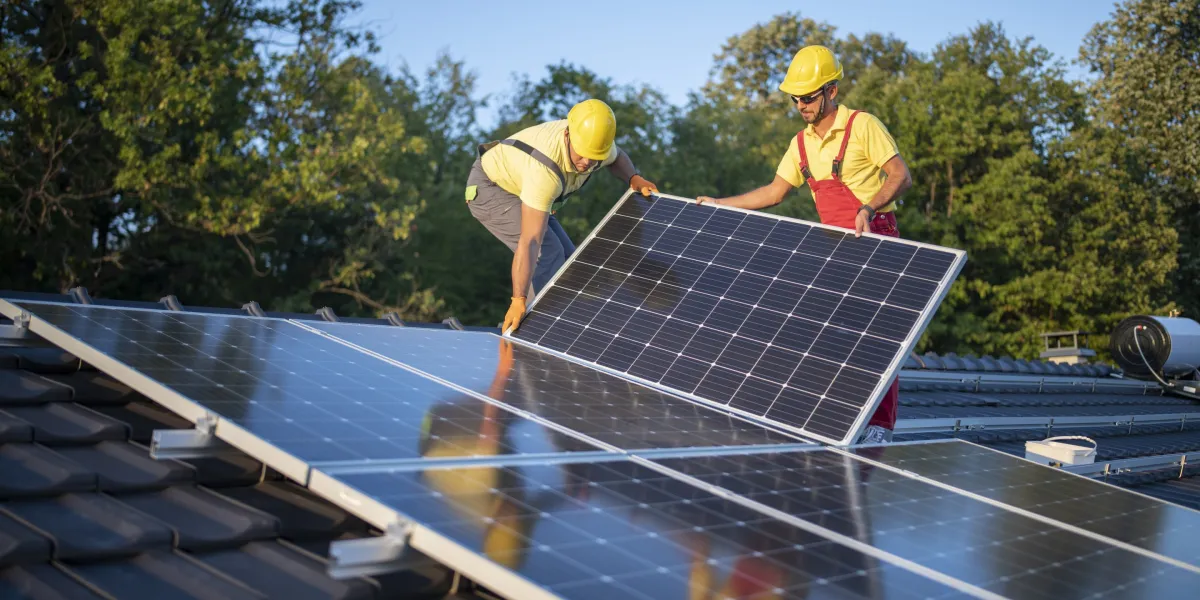
Over the past few years, solar energy has been increasingly popular in Pakistan. Homeowners and companies in Karachi, Lahore, and Peshawar are installing solar systems to reduce electricity costs and avoid the constant load shedding. However, before making a purchase, nearly everyone asks the same straightforward question: why is the price constantly fluctuating?
The truth is that there is no set solar panel price in Pakistan. It is guided by several practical considerations that most purchasers are unaware of. You can prevent overspending and make better purchasing decisions if you are aware of these aspects. These are the seven primary elements currently influencing solar panel pricing in Pakistan.
1. Solar Panel Technology Type
The construction of solar panels varies. In Pakistan, the three primary panel types are monocrystalline, polycrystalline, and thin-film.
The most cost-effective and efficient panels are monocrystalline. They are perfect for homes with limited roof space since they generate more electricity from a smaller surface area. Although they are less expensive, polycrystalline panels are marginally less efficient. Because they require a lot of space to generate electricity effectively, thin-film panels are inexpensive but rarely used in residential setups.
Always verify the type of panel being offered when comparing pricing in the marketplace. Both are priced differently from thin-film solutions, and a 400-watt monocrystalline panel will be significantly more expensive than a 400-watt polycrystalline one.
2. brand and Origin Country
Pricing is heavily influenced by brand reputation. Although they are more expensive, international brands from China, Germany, Canada, and the US provide longer warranties and better performance guarantees. Because they offer an excellent balance between quality and cost, Chinese brands like Longi, Jinko, and Canadian Solar have gained significant popularity in Pakistan.
Although locally made panels are more affordable, there are concerns about their longevity and effectiveness. You are partially paying for the guarantee that the panel will function as promised for 20 to 25 years when you purchase a well-known brand.
3. Currency Exchange Rate and Import Costs
Most of Pakistan’s solar panels are imported. The value of the Pakistani rupee relative to the US dollar and the Chinese yuan, therefore, directly affects solar panel price in Pakistan.
The buyer bears the increased import costs as the Rupee depreciates. The Rupee has been under a lot of pressure over the last two years, which is one of the main reasons solar costs have changed so much, even as panel prices have decreased internationally.
Customs charges, taxes, shipping expenses, and exchange rates increase the final price the buyer pays. The entire market can change overnight if the government decides to alter its import duty policies.
4. System Capacity and Size
More panels are required for larger systems, but the cost per watt often decreases as capacity rises. Because purchasing in quantity lowers the cost per unit, a tiny 3 kW household system will cost more per watt than a 10 kW or 20 kW commercial system.
Because of this, the price of solar panels in Pakistan varies widely between a small home setup and a larger commercial installation. Suppliers and installers often offer better prices to companies installing larger systems.
Instead of replicating what your neighbor installed, always obtain quotations based on your real energy consumption while planning your system. Long-term and initial cost savings are achieved with the proper size.
5. Battery and Inverter Quality
Solar panels are not a complete system on their own. Additionally, you need a battery to store energy for use at night and an inverter to convert the power for use in your home. When discussing a comprehensive setup, the brand and quality of these parts significantly impact the overall system cost and, consequently, the solar panel price in Pakistan.
Basic on-grid inverters are less expensive than hybrid inverters, which can operate both on and off the grid. Compared to earlier lead-acid batteries, lithium iron phosphate batteries are substantially more expensive but have a longer lifespan. Because they neglected to account for the cost of the inverter and batteries from the start, many purchasers are shocked by the overall installation bill when they consider the panel pricing.
6. Location and Installation Fees
What you pay also depends on where you live in Pakistan. The cost of installation varies by city. There are more qualified installers in big cities like Lahore, Karachi, and Islamabad, which fosters competition and keeps costs lower. There are fewer skilled installers in smaller towns and rural areas, and transportation costs for equipment might raise the cost.
Your roof’s complexity is also important. Installing a flat concrete roof is simple. Your bill will increase if your roof is tiled or sloping since it requires extra work time and mounting hardware.
Obtain at least three quotations from several installation firms and ensure their pricing covers everything, from wiring and net metering registration to mounting hardware.
7. Net Metering Regulations and Government Policies
How Pakistani Government Policy Affects Solar Panel Prices
The solar market is directly and immediately impacted by government choices. For instance, import tariff waivers on solar panels have played a significant role in Pakistan’s solar adoption. Prices fell, and demand increased when the government eliminated or lowered taxes on solar equipment. Prices react swiftly to changes in policy or the introduction of additional taxes.
Another crucial element is the net metering policy. By enabling homes to sell excess electricity back to the grid, net metering reduces the solar system’s payback period and increases the investment’s appeal. More individuals purchase solar when net metering conditions are favorable, and suppliers have more business, which can eventually lead to economies of scale and lower pricing.
Market price and buyer confidence are also impacted by any ambiguity surrounding these policies. Before making a purchase, it is really helpful to stay up to date on the latest government statements on solar energy.
To Read More: Click Here
Final Thoughts on Solar Panel Price in Pakistan
Understanding what drives the solar panel price in Pakistan helps you shop smarter. Don’t simply compare the cheapest quotes you can find online. Examine the panel type, battery options, inverter quality, brand reputation, and what is truly included in the installation cost.
Pakistan’s solar sector is expanding quickly, and costs are now more affordable than they were a few years ago. You may select a system that lowers your electricity costs, fits your budget, and provides you with dependable power for the next 20 years if you have the correct knowledge.