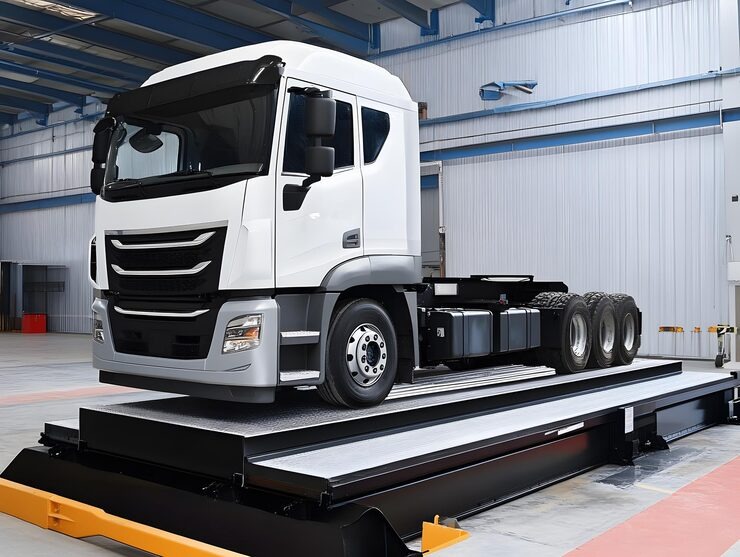
Truck scales are built to handle demanding industrial environments, but they are not immune to external conditions. Whether you operate a logistics company, warehouse, agricultural facility, recycling center, or construction site, environmental factors can significantly influence scale performance, measurement accuracy, and long-term reliability.
When truck scales operate outdoors year-round, they are exposed to weather changes, temperature shifts, moisture, dust, debris, and heavy vehicle traffic. If these conditions are not properly managed, they can lead to inaccurate readings, increased maintenance costs, and unexpected downtime.
Understanding how environmental conditions affect truck scales helps you make smarter maintenance decisions, improve weighing precision, and extend equipment life.
If you rely on professional weighing systems, working with Industrial Scale & Measurement can help ensure your truck scale remains accurate and dependable under changing environmental conditions.
Why Environmental Conditions Matter for Truck Scales
Truck scales are precision instruments designed to convert physical force into measurable weight data. Although they are engineered for industrial use, external conditions still influence the mechanical and electronic components responsible for delivering accurate measurements.
Even small environmental changes may produce inconsistent readings over time. Since truck scales are often used for billing, compliance, inventory control, and operational decisions, maintaining accuracy becomes essential.
Environmental exposure impacts:
- Weight measurement consistency
- Load cell performance
- Structural durability
- Calibration stability
- Equipment lifespan
- Maintenance frequency
Understanding these variables allows you to reduce operational risks.
Temperature Fluctuations Can Change Scale Performance
Temperature changes are among the most common environmental influences on truck scales.
During hot weather, metal components naturally expand. In colder temperatures, they contract. This movement can affect scale alignment and influence load cell output.
Daily temperature swings create additional challenges because components continuously adjust throughout the day.
Potential effects include:
- Slight weighing inconsistencies
- Sensor drift
- Structural stress
- Calibration changes
Temperature extremes may become more noticeable in regions with seasonal weather variation.
To reduce temperature-related issues:
- Schedule routine calibration
- Inspect scale foundations regularly
- Use weather-resistant components
- Monitor unusual weight fluctuations
Using professionally maintained Truck Scales Houston services can help maintain dependable performance across changing climate conditions.
Moisture and Rain Can Create Accuracy Problems
Water exposure is one of the most damaging environmental factors for truck scales.
Rainwater may seep into electrical connections, junction boxes, or load cells if seals become compromised. Standing water beneath the scale can also affect foundation stability.
Long-term moisture exposure may lead to:
- Corrosion
- Electrical failures
- Signal interruption
- Reduced sensor life
- Inconsistent weight readings
Drainage design plays an important role in preventing water accumulation.
You can minimize moisture damage by:
- Keeping drainage channels clear
- Inspecting seals and wiring
- Cleaning debris after storms
- Performing seasonal maintenance
Preventive attention reduces the likelihood of expensive repairs.
Dust and Debris Interfere with Scale Operation
Truck scales installed in industrial environments often face constant exposure to dirt, gravel, mud, and airborne particles.
Over time, debris can accumulate around critical weighing components and restrict movement.
Common problem areas include:
- Scale platforms
- Suspension systems
- Load cells
- Junction boxes
- Scale pits
Excess buildup may create false weight readings because the platform cannot move freely.
Effective prevention methods include:
- Routine cleaning schedules
- Frequent visual inspections
- Pressure washing when appropriate
- Debris removal after heavy use
Clean equipment typically delivers more stable and accurate results.
Wind Conditions Can Affect Weight Measurements
Wind may seem insignificant, but strong gusts can impact weighing performance—especially during partial vehicle loading or unloading.
High wind conditions can create:
- Temporary instability
- Load distribution shifts
- Minor reading fluctuations
This becomes more relevant for:
- Elevated scale installations
- Open industrial yards
- Agricultural weighing sites
You can reduce wind-related effects by:
- Installing wind barriers
- Ensuring vehicles are fully positioned
- Waiting for stable conditions before recording measurements
Operational procedures often improve consistency more than equipment adjustments.
Foundation Movement Creates Long-Term Scale Errors
Truck scales depend heavily on a stable foundation.
Environmental changes such as heavy rainfall, soil expansion, freezing, erosion, or poor drainage can gradually shift the supporting structure.
Foundation movement may lead to:
- Uneven weight distribution
- Structural stress
- Calibration drift
- Reduced equipment life
Signs of foundation problems include:
- Uneven deck surfaces
- Cracks around supports
- Recurring calibration adjustments
Regular inspections help detect issues before they become costly.
Humidity and Condensation Affect Electronics
Humidity creates hidden challenges because moisture can accumulate inside electrical enclosures.
Condensation forms when temperatures shift quickly, especially between daytime heat and cooler evenings.
Potential impacts include:
- Corroded connections
- Communication failures
- Sensor instability
- Increased maintenance requirements
Protective measures include:
- Sealed electrical enclosures
- Proper ventilation
- Moisture-resistant components
- Scheduled inspections
Managing humidity reduces unexpected downtime.
Snow, Ice, and Freeze Conditions Add Mechanical Stress
In colder environments, snow and ice can place additional pressure on truck scales.
Accumulated snow may add unintended weight, while ice buildup can interfere with platform movement.
Freeze-thaw cycles may also weaken surrounding infrastructure.
Winter maintenance should include:
- Snow removal procedures
- Ice prevention methods
- Drainage inspection
- Seasonal recalibration
Consistent winter preparation helps preserve accuracy.
Vehicle Traffic and Environmental Wear Work Together
Environmental stress increases when combined with heavy vehicle use.
Repeated loading cycles accelerate wear on:
- Scale decks
- Bearings
- Electrical systems
- Structural supports
Environmental conditions can make this wear occur faster than expected.
Reducing strain involves:
- Managing traffic flow
- Monitoring overload events
- Performing scheduled maintenance
- Replacing worn parts early
Small maintenance investments often prevent larger operational disruptions.
Preventive Maintenance Is the Best Protection
Environmental exposure cannot be eliminated entirely, but you can control how much damage it causes.
A proactive maintenance approach helps maintain weighing precision and reduce unexpected failures.
Your maintenance strategy should include:
- Routine calibration
- Cleaning schedules
- Seasonal inspections
- Foundation checks
- Electrical testing
- Drainage management
Consistent service improves reliability and extends the useful life of your truck scale.
If you want professional support, inspection guidance, or service scheduling, visit the Contact Us page to connect with experienced scale specialists.
Final Thoughts
Environmental conditions affect truck scales more than many operators realize. Temperature swings, moisture, dust, wind, humidity, foundation movement, and seasonal weather all influence weighing accuracy and equipment performance.
By understanding these factors and adopting a preventive maintenance strategy, you improve operational efficiency, reduce repair costs, and protect measurement integrity.
Reliable truck scale performance starts with ongoing care, routine inspections, and support from experienced professionals.
FAQs
1. How often should truck scales be calibrated?
Most facilities benefit from calibration at least once or twice annually, though high-use environments may require more frequent service.
2. Can rain permanently damage truck scales?
Yes. Long-term moisture exposure can damage electrical components, create corrosion, and reduce weighing accuracy.
3. Does temperature affect load cell accuracy?
Yes. Extreme heat and cold can influence load cell output and contribute to calibration drift.
4. Why does debris cause inaccurate weight readings?
Debris may restrict platform movement, preventing the scale from measuring weight correctly.
5. What is the best way to extend truck scale lifespan?
Regular cleaning, calibration, inspections, drainage control, and preventive maintenance provide the greatest long-term protection.