As we navigate through 2026, the global wellness tourism market has reached a staggering valuation of $1.06 trillion. This explosive growth has brought with it an abundance of options, but also a significant challenge: discernment. In an era where every hotel spa claims to offer “transformation,” the modern traveler is increasingly seeking authentic holistic wellness retreats that go deeper than surface-level pampering.
Authenticity in 2026 is no longer defined by the aesthetic of a meditation cushion or the price of a green juice. Instead, it is measured by a program’s ability to regulate the nervous system, provide evidence-based modalities, and offer a sustainable path for long-term integration. For those looking at luxury wellness retreats in Galveston or beyond, this guide provides the framework to evaluate whether a retreat is truly designed for healing or is simply “wellness washing.”
The shift toward “cocooning wellness”—regional, high-touch escapes that prioritize privacy and psychological safety—has redefined what it means to invest in one’s health. Whether you are navigating a season of grief, recovering from professional burnout, or seeking to optimize your longevity, understanding the mechanics of a truly holistic experience is the first step toward a successful investment.
Moving Beyond “Wellness Washing”: Identifying Authenticity in 2026
The term “wellness washing” has become a central concern for savvy travelers in 2026. This refers to properties that apply a veneer of health-conscious marketing to traditional hospitality without employing the specialized staff or scientific rigor required for true restoration. Authentic holistic wellness retreats are distinguished by their commitment to personalization.They do not force guests into a rigid, pre-packaged schedule; instead, they utilize diagnostic tools—such as the Wellness Quiz used by The Cardinal Retreats—to tailor the environment to the individual’s current nervous system state.
Facilitator expertise is another non-negotiable marker of authenticity. In a legitimate retreat setting, programs are often overseen by Transformation Architects or licensed professionals, such as Dr. Carliss Miller, who understand the intersection of leadership, grief, and physiology. When evaluating a program, look for transparency regarding the credentials of those leading the sessions.A true retreat should feel less like a “vacation” and more like a curated ecosystem for your spirit.
Top Indicators of an Authentic Holistic Retreat:
- Pre-Arrival Diagnostics: Uses surveys or consultations to understand your “type of required rest” before you step foot on the property.
- Facilitator Credentials: Led by experts with backgrounds in psychology, life coaching, or specialized holistic modalities rather than general fitness instructors.
- Low-Density Environments: Prioritizes privacy and “hushpitality,” limiting guest counts to ensure intimate, high-touch care.
- Outcome Transparency: Clearly defines what you will “keep” (skills, habits, or shifts in perspective) rather than just what you will “experience.”
The Core Pillars of a Science-Backed Holistic Experience
In 2026, the “woo-woo” label was replaced by “biometric-informed” healing. The best retreats now blend ancient traditions with modern science.10 For example, sound healing is no longer just a trend; it is recognized by five-star properties as a non-invasive tool for accessing profound states of emotional release and alpha-brainwave relaxation. Similarly, the integration of infrared saunas and LED light therapy is now a standard for those seeking cellular-level detoxification and inflammation reduction.
A truly holistic experience must address the four dimensions of well-being: physical, mental, emotional, and spiritual. If a retreat focuses solely on one—such as a “boot camp” that ignores mental fatigue—it is not truly holistic. The goal of modern programs is to move the guest from a state of “survival” (fight-or-flight) to a state of “restoration.” This is often achieved through “circadian rhythm optimization,” where lighting, nutrition, and activities are scheduled to match the body’s natural biological clock.
Red Flags to Watch for When Booking Luxury Retreats
As you evaluate luxury wellness retreats in Galveston or other major hubs, it is vital to spot “one-size-fits-all” trap. Many high-end resorts offer beautiful amenities but fail to provide a cohesive journey. If the program feels like a “buffet” of disconnected spa treatments rather than a structured path to a specific goal (like burnout recovery or grief support), it may lack the depth you require.
Another red flag is the “perpetual schedule.” In 2026, the most effective retreats are betting on “controlled autonomy”—the idea that you have a guide, but you also have significant, unscripted time to simply exist. A retreat that schedules every minute from 6:00 AM to 9:00 PM can actually increase cortisol levels and aggravate burnout rather than healing it. Authentic healing requires space for the “unseen work” of the mind to occur.
Common Red Flags in Luxury Wellness Marketing:
- Excessive “Wellness Theatre”: Over-emphasis on Instagrammable moments over clinical-grade recovery or meaningful connection.
- Opaque Staffing: Difficulty finding the names or credentials of the people who will actually be facilitating your transformation.
- Generic Nutritional Claims: Offering “detox diets” without explaining the science of functional nutrition or catering to your specific metabolic needs.
- Lack of Aftercare: No plan for how you will integrate your retreat experience into your real life once you return home.
Why the Gulf Coast is Emerging for Luxury Wellness Retreats in Galveston
Geographic location is more than just a backdrop; in 2026, it is considered a “therapeutic intervention.” Galveston, Texas, has emerged as a premier destination for those seeking “cocooning wellness.” The unique combination of historic charm and the proximity to the Gulf of Mexico provides a grounding atmosphere that inland urban centers cannot replicate. The “blue health” benefits of coastal living—ocean breezes, the sound of surf, and the presence of negative ions—are scientifically shown to lower blood pressure and improve respiratory health.
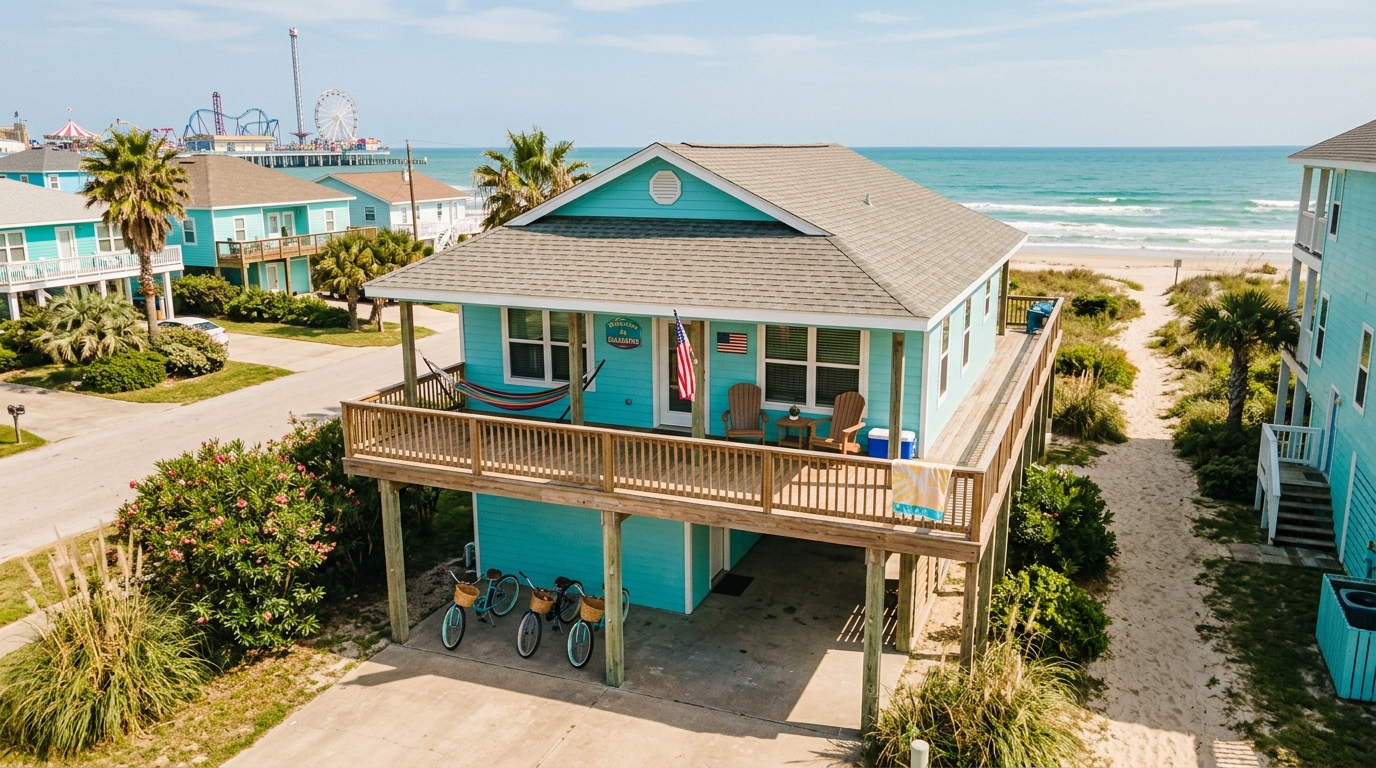
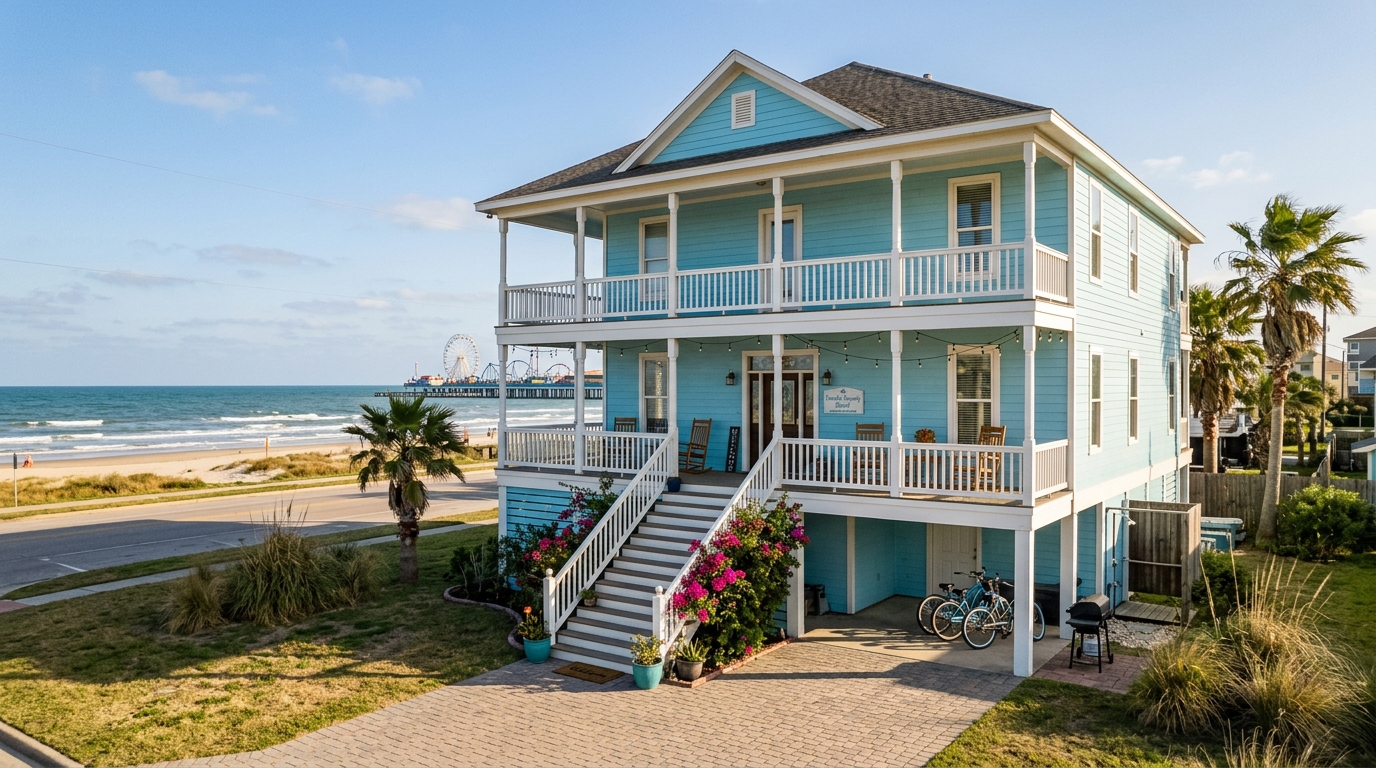
Luxury wellness retreats in Galveston, particularly those like The Cardinal Retreats on Avenue S, leverage this coastal environment to provide a “private sanctuary” feel. Being just two blocks from the beach allows guests to incorporate nature walks and ocean-side meditation into their recovery process. This “regional retreat” model is gaining popularity as travelers move away from long-haul flights that cause jet lag and disrupt the very circadian rhythms they are trying to heal.
Benefits of a Coastal Galveston Retreat Setting:
- Blue Mind Effect: Natural water environments induce a meditative state that reduces stress and improves sleep.
- Historical Grounding: Staying in a historic, meticulously restored home provides a sense of continuity and peace.
- Low Travel Friction: Easy access for regional travelers avoids the stress and inflammation associated with international transit.
- Private Respite: Small-scale retreats in residential settings offer more privacy than large, public-facing resorts.
Critical Questions for Your Transformation Architect
Before committing to a retreat, you should interview the provider as if you were hiring a consultant—because you are. A “Transformation Architect” is responsible for the blueprint of your recovery. You need to know if they have the capacity to hold space for your specific situation. For instance, if you are navigating a medical challenge or the grief of a loss, does the retreat offer “intentional emotional scaffolding,” such as soul-centered journal prompts or a curated library for your specific needs?
A high-touch retreat, such as The Cardinal, bridges the gap between hospitality and healing.9 This means the provider should be able to explain exactly how they handle the “mental load” of your stay. In 2026, true luxury is the ability to rest without responsibility. If you have to plan your own meals, book your own sessions, and navigate logistics, you aren’t at a retreat; you’re just at a hotel.
Questions to Ask Before Booking:
1. “How do you customize the itinerary based on my specific energy levels and rhythms?”
2. “What is the philosophy behind your wellness suite amenities (e.g., why zero-gravity massage chair vs. traditional massage)?”
3. “Can you accommodate specific needs like grief support or disability-related rest?”
4. “What credentials does the lead facilitator hold in the realm of life coaching or mental health?”
5. “How does the retreat help me transition back to my daily routine?”
Integrating the Experience: Life After the Retreat
The most significant metric of a retreat’s success is not how you feel on the final day, but how you live thirty days later. This is known as “integration.”Authentic holistic wellness retreats provide you with a “personal toolkit” of practices—breathwork, mindfulness routines, or cognitive tools—that you can deploy in your high-pressure everyday life. In 2026, leading retreats have moved away from “one-off resets” and toward becoming “launch pads” for long-term behavioral change.
For example, a stay that includes a private coaching session can help you identify “flow states” and set intentions that outlast the vacation. When the environment is designed to move you from “survival” to “restoration,” the lessons learned in that state of calm are more likely to be retained by the brain. Your investment should yield a “return on wellness” that manifests in sharper focus, better sleep, and a more resilient nervous system.
The 2026 Integration Checklist:
- Somatic Tools: Do you leave with specific breathing or grounding exercises for stress?
- Nutritional Knowledge: Did you learn functional nutrition habits you can replicate at home?
- Clarified Purpose: Did the coaching sessions provide a clearer vision for your next “season” of life?
- Environmental Cues: Can you recreate a “wellness corner” in your own home based on the retreat’s design?
Conclusion
The evolution of the wellness industry in 2026 has made it possible to find deeper, more authentic healing than ever before. However, the burden of choice remains with the buyer. By evaluating a retreat’s commitment to personalization, science-backed modalities, and psychological safety, you can ensure that your time and resources are truly serving your soul.
Whether you choose the intimate, soul-centered environment of The Cardinal Retreats or another luxury wellness retreat in Galveston, remember that the most important element is your own intention. A retreat is not a place to escape your life, but a sanctuary where you can upgrade it—returning not just rested, but truly restored.