“You get what you pay for” is a cliché because it is usually true — but it is not always true, and pretending otherwise is how budgets get wasted. Premium hunting gear earns its price in some categories and quietly squanders your money in others. The real question is not whether expensive gear is good in the abstract; it is whether a given piece is worth it for you and the way you hunt. The honest measure of that is cost per use, not the intimidating number printed on the tag. Once you start thinking in those terms, the right answer for your own kit becomes obvious surprisingly fast.
Where Premium Pays Off: Outerwear
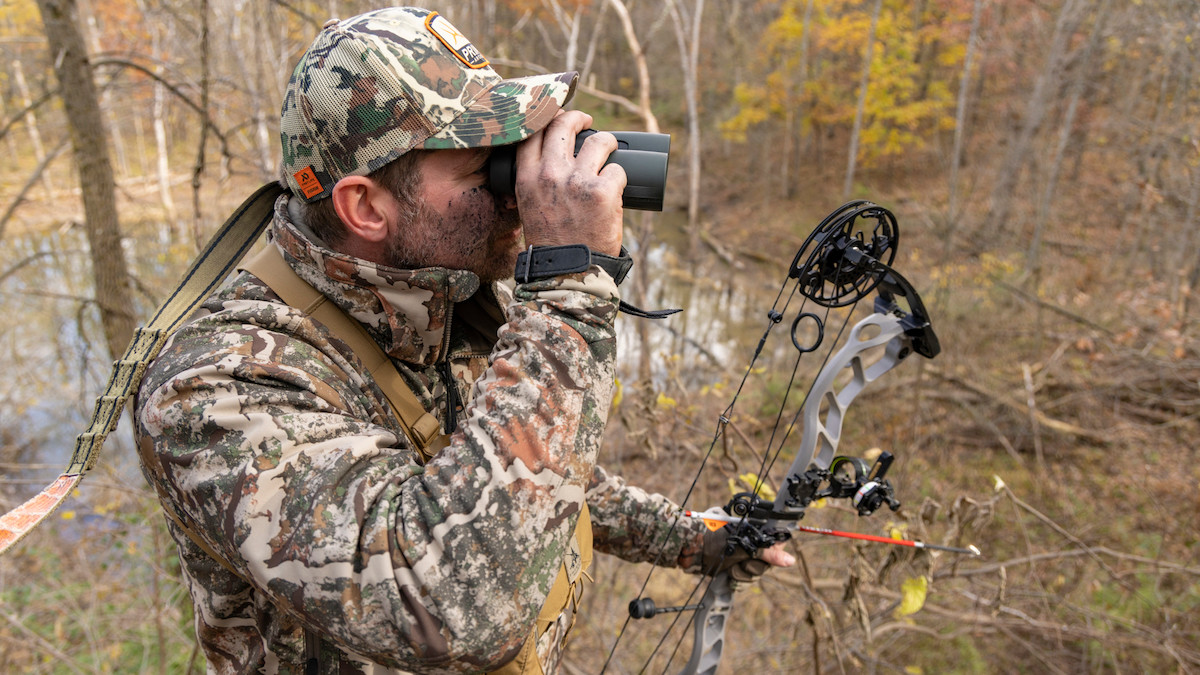
A jacket you hunt in hard for ten seasons is genuinely cheap per use, even at a premium price, once you do the simple math. A bargain shell that fails in two years and lets the wind ruin your sits in between is expensive no matter how little it cost up front. Outerwear sits on the front line of every single hunt, so durability and real-world performance compound over time in your favor. This sitka stratus jacket review makes the cost-per-use argument well, breaking down exactly what the premium buys you in windproofing, silence, and long-term durability across years of genuinely hard hunting in bad weather.
Where Premium Pays Off: Triggers
Few upgrades anywhere in shooting return more per dollar than a trigger. For less than the cost of a single night’s lodging on a hunting trip, the right component tightens groups and kills flinch — and that value shows up on every single shot for the entire life of the rifle. If you shoot the most popular bolt action out there, this look at whether a remington 700 trigger upgrade is worth it makes the case clearly: a clean, repeatable break is one of the highest-value purchases in all of shooting, premium price or not, because it improves the one thing that touches every shot.
Where to Save
Not everything deserves the premium treatment, and knowing where to save is just as important as knowing where to spend. Cheap range bags, entry-level bipods, and basic cleaning kits do the job perfectly well for most hunters. Spend the money you save in those categories where it actually touches accuracy and comfort instead: quality glass, a better trigger, and durable outerwear. Pouring cash into accessories that never touch the moment of truth is exactly how people end up broke and still under-equipped where it counts.
How to Judge Any Purchase
Run every hunting purchase through one simple filter before you buy: how many times will I actually use this, and does it touch the shot or the sit? A premium item you use a hundred times a season for a decade is a bargain hiding behind a scary price. A premium item you use twice a year for the look of it is a waste no matter how impressive it seems. Cost per use cuts cleanly through marketing and reputation and tells you the truth faster than any review headline ever will.
The Honest Verdict
Premium gear is worth it precisely where it touches the moment of truth — the layer that keeps you in the stand long enough to get a chance, and the trigger that lets you finish the shot cleanly — and it is simply not worth it most everywhere else. Buy genuine quality where it matters, save deliberately where it does not, and you will end up better equipped than the hunter who spent far more but spread it thin across all the wrong things.
Watch for the Warranty and the Resale
Two factors quietly tilt the cost-per-use math even further toward quality, and most buyers overlook both. A strong warranty turns a premium piece into a near-lifetime purchase, since a jacket the maker will repair or replace keeps serving you long after a cheap one would have hit the landfill. And premium gear holds its value: a well-known shell or a quality trigger sells used for a real fraction of its price, while bargain gear is worth almost nothing the day after you buy it. Factor in warranty support and resale value and the genuine long-term cost of the good stuff often lands far closer to the cheap stuff than the sticker shock suggests.
None of this means premium is automatically better or that budget gear is automatically a trap. Plenty of mid-priced gear is excellent, and plenty of premium gear is overpriced fashion. The point is to stop reacting to the price tag in either direction and start asking the only question that matters: across the real life of this item and the number of times I will use it where it counts, is this a good deal for me? Answer that honestly, category by category, and you will build a kit that punches well above what you spent on it.