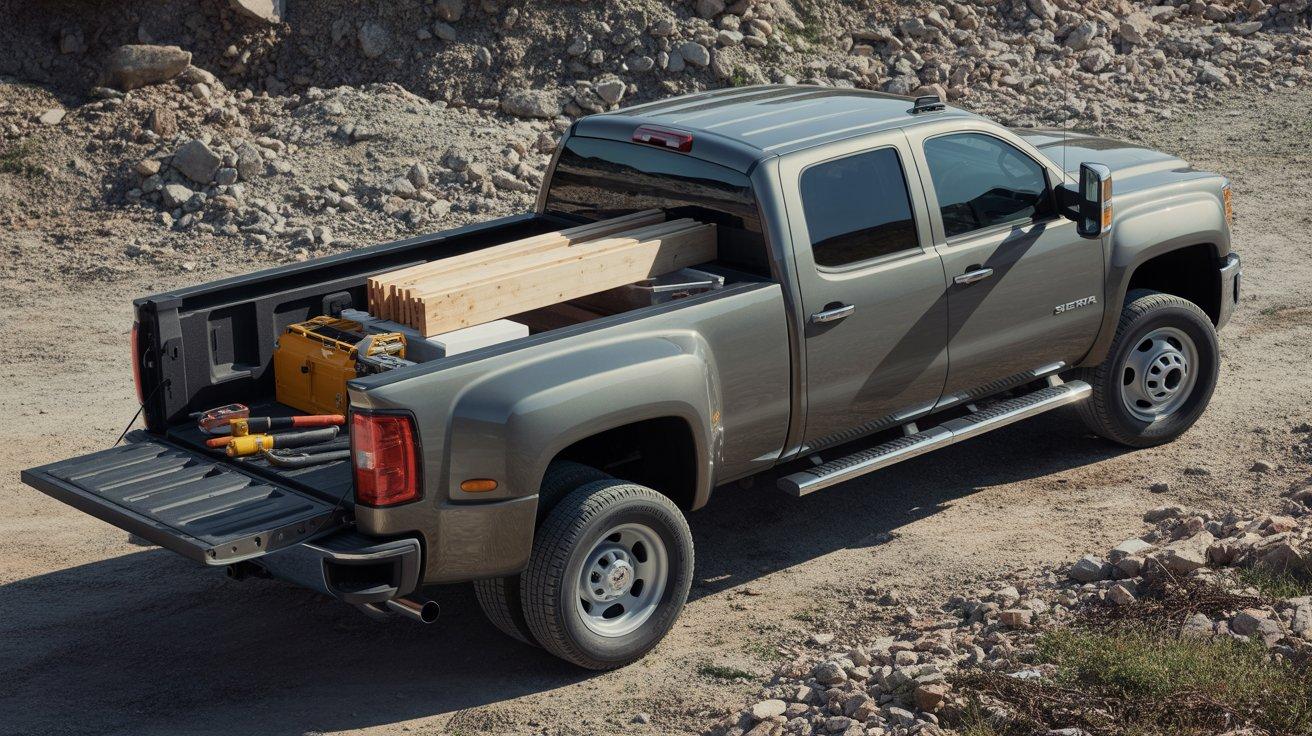
When you have a heavy-duty pickup such as the 2011 GMC Sierra 3500HD, you are aware that it is a powerhouse, strong and no-nonsense working pickup. However, one of the most significant elements that determines the usefulness of your truck is the size of the bed. The most convenient and useful option among the existing ones is the 6.5-foot truck bed.
You might be replacing a damaged bed, or you may simply want to upgrade, either way, this guide will take you through all you need to know about selecting a 6.5′ truck bed to your 2011 GMC 3500HD.
Why a 6.5′ Truck Bed?
The 6.5-foot bed commonly known as a standard or short bed offers an ideal combination of cargo space and driving. Long beds (8 feet) have the highest hauling capacity, but are also more difficult to maneuver, especially in close city settings.
With a 6.5′ bed, your GMC Sierra 3500HD becomes much easier to park and handle, without sacrificing too much cargo room. This renders it suitable to:
- Everyday commuters and who require utility.
- Contractors with tools and materials.
- Owners of small businesses in the delivery business.
Fitment with the 2011 GMC 3500HD
The most crucial thing to consider before purchasing a replacement bed is compatibility. The 2011 model is a part of a certain generation (20072013), and not all beds of other years or trims will fit.
Always verify:
- Frame alignment: The mounting points should fit the chassis of your truck.
- Cab set-up: Crew cabs are normally matched with 6.5′ bed.
- Wiring installation: Tail lights and sensors are to interconnect smoothly.
- Fuel filler position: It should fit appropriately with your tank.
Failure to do such checks may result in expensive changes or installation problems.
There are several types of 6.5′ Truck Beds
There are various material and construction choices that you will find when buying a truck bed. These both have advantages and disadvantages.
1. Steel Truck Beds
A majority of beds installed in factories are steel. They’re strong, reliable, and ideal for heavy-duty usage. They are however susceptible to rust with time unless well maintained.
2. Aluminum Truck Beds
Aluminum beds are less heavy and corrosive in nature. They can make a slight increase in fuel efficiency, but they can easily be dented than steel.
3. Composite Truck Beds
These are normally aftermarket customizations crafted out of superior materials. They are also extremely resistant to rust and dents and are therefore a long-lasting option, although not necessarily OEM-style.
OEM vs Aftermarket, Which is good?
In replacing your truck bed you will have two significant options:
OEM (Original Equipment Manufacturer)
OEM beds are made to fit your truck model. They fit perfectly, are always of quality and they do not lower the resale value of your vehicle. The downside? They tend to be more costly.
Aftermarket Beds
Aftermarkets are usually cheaper and can have other additions such as strengthened panels or utility upgrades. Quality and fit may however differ and thus it is best to purchase with known suppliers.
Major Characteristics to consider
Not all truck beds are created equal. In choosing a 6.5′ bed, one has to watch the following critical features:
- Bed liner compatibility: Protects against scratches and rust
- Tie-down points: The points necessary in securing cargo.
- Tailgate design: Step-assist or Standard.
- Wheel well clearance: Important for modified trucks
- Drainage system: Assists in deterring water build-up.
These characteristics can be of great use in everyday functionality.
Installation: DIY or Professional?
It is not as easy as it may seem to replace a truck bed. It includes the removal of the old bed, disconnection of electrical parts and alignment of the new one properly.
Although some owners of trucks who have experience in it can also do the installation by themselves, the majority of individuals can use professional assistance. Proper installation ensures:
- Structural safety
- Correct alignment
- No electrical issues
The improperly installed bed may result in vibrations, leakages, or even permanent damages.
Cost of a 6.5′ Truck Bed
The prices differ according to the condition and type:
- Used beds: ₹80,000 – ₹2,00,000
- New OEM beds: ₹2,50,000 – ₹5,00,000+
- Aftermarket beds: ₹1,50,000 – ₹3,50,000
Other expenses can be painting, transport and installation. Repainting is required often in case you desire a perfect color matching.
Long-term Maintenance Hints
To maximize on your truck bed, it is important to maintain your truck on a regular basis:
- Install a drop-in or spray-in bed liner.
- Dust the bed frequently so as to eliminate dirt and moisture
- Inspect for rust or damage
- Cover it with a tonneau cover to secure against weather.
These are the basic measures that can help to substantially prolong the investment lifespan.
Is 6.5′ Bed Right to You?
The 6.5-foot truck bed is the best one when you are looking to have a compromise between practicality and comfort. It is particularly convenient when drivers have to use a reliable work truck and at the same time, commute daily.
But when your line of work is to carry heavy machinery or materials that are too large to fit into the short bed, you might wish to have one with a longer length so as to get the maximum space.
Final Thoughts
When deciding on the appropriate 6.5′ truck bed to your 2011 GMC 3500HD, it is not just about size, but rather about a combination of compatibility, durability and functionality. Making the right decision, your truck will be more efficient, more versatile, and more aligned with your needs.
Regardless of the type of replacement you choose (an OEM replacement or one with added features), by investing in the appropriate truck bed, you can be sure that your pickup will keep on doing what it does best in the coming years.