
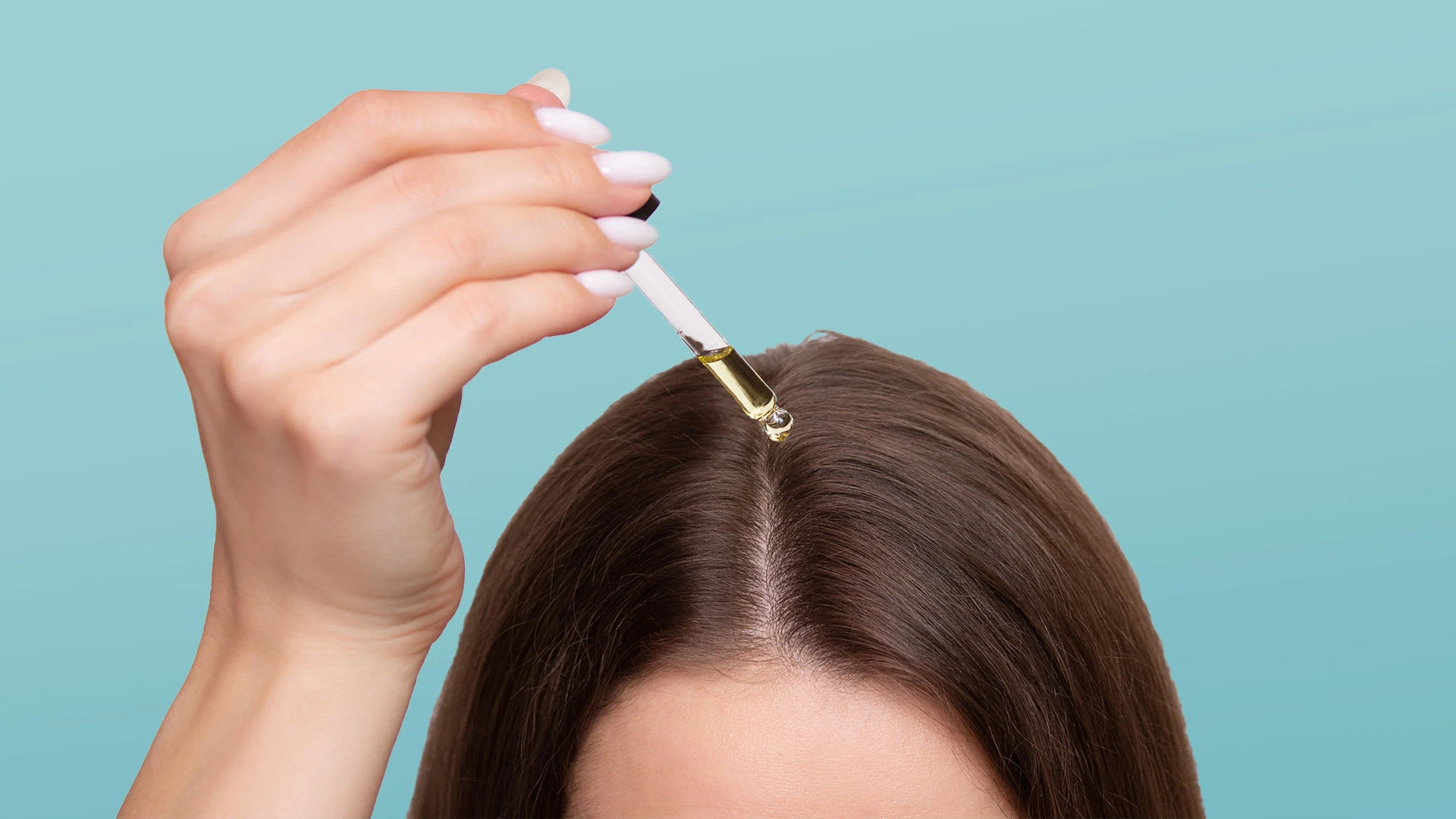
Hair problems rarely appear overnight. Most people notice the signs slowly: extra hair on the pillow, more strands in the shower drain, or a scalp that constantly feels itchy, oily, or irritated. While many individuals rush toward expensive shampoos, styling products, or trendy treatments, they often ignore the one thing that matters most — scalp health.
The scalp is the foundation of healthy hair growth. Just like fertile soil is essential for strong plants, a healthy scalp creates the right environment for hair follicles to function properly. When the scalp becomes inflamed, clogged, excessively dry, or overloaded with product buildup, hair quality can decline rapidly.
Today, dermatologists, hair experts, and wellness professionals are paying closer attention to scalp care than ever before. Modern hair science confirms that stronger, healthier hair starts beneath the surface. Understanding this connection can help people reduce breakage, support healthier growth cycles, and improve overall hair appearance naturally.
In this article, we will explore how scalp health affects hair growth, what common scalp issues actually mean, and how daily habits can strengthen hair from the roots.
Why the Scalp Matters More Than Most People Realize
The scalp contains approximately 100,000 hair follicles, along with sebaceous glands, blood vessels, and a delicate microbiome that helps maintain balance. Every strand of hair depends on these systems working correctly.
Hair follicles need oxygen, nutrients, blood circulation, and proper oil production to function efficiently. When the scalp environment becomes unhealthy, follicles can weaken, resulting in slower growth, shedding, thinning, or brittle hair.
Unfortunately, many common habits damage the scalp without people realizing it. Excessive heat styling, harsh shampoos, over-washing, pollution exposure, stress, and product residue can all disrupt scalp balance over time.
One growing trend in the hair wellness industry is the focus on holistic scalp nourishment rather than temporary cosmetic fixes. Brands and professionals discussing long-term hair wellness frequently emphasize the importance of supporting the scalp ecosystem first. This shift is helping consumers better understand why healthy hair begins below the surface.
Common Signs of an Unhealthy Scalp
Many people live with scalp issues for years without identifying the underlying problem. They may focus only on hair texture or hair fall while ignoring scalp symptoms that signal deeper imbalance.
Some of the most common signs of poor scalp health include:
- Persistent itchiness
- Flaking or dandruff
- Excessive oiliness
- Tightness or dryness
- Redness or inflammation
- Increased hair shedding
- Product buildup
- Sensitivity after washing
These symptoms can occur individually or together. In many cases, they are linked to inflammation around the follicles, which can interfere with healthy hair growth cycles.
A neglected scalp may also create an environment where bacteria or yeast thrive excessively, worsening irritation and weakening the hair roots over time.
The Relationship Between Inflammation and Hair Loss
Inflammation is one of the most overlooked contributors to hair problems. When the scalp becomes chronically irritated, hair follicles may enter the resting phase too early.
This process can shorten the normal hair growth cycle, causing strands to shed before reaching their full length and thickness.
Inflammation may be triggered by several factors, including:
- Aggressive hair products
- Allergic reactions
- Environmental pollution
- Stress hormones
- Poor diet
- Excessive scratching
- Fungal overgrowth
- Lack of scalp hygiene
Over time, repeated inflammation can weaken follicle stability and impact overall hair density.
This is why many hair care experts now recommend routines that prioritize calming and balancing the scalp instead of relying solely on styling-focused products.
Consumers searching for long-term scalp support often explore wellness-focused approaches such as gentle cleansing routines, botanical ingredients, scalp massage techniques, and targeted scalp serums like those discussed by communities focused on tress roots health solutions.
How Poor Scalp Circulation Affects Hair Growth
Healthy blood circulation is essential for delivering nutrients and oxygen to hair follicles.
When circulation is poor, follicles may not receive adequate nourishment. This can contribute to weaker strands, slower growth, and increased shedding.
Several lifestyle factors may reduce scalp circulation, including:
- Chronic stress
- Lack of physical activity
- Tight hairstyles
- Smoking
- Poor sleep
- Tension in the scalp muscles
Scalp massage has become increasingly popular because it may help improve circulation while reducing tension buildup around the follicles.
Research also suggests that gentle scalp stimulation can support relaxation and encourage a healthier environment for hair growth.
Simple habits like brushing carefully, massaging the scalp for a few minutes daily, and avoiding overly tight hairstyles can help maintain better blood flow.
The Impact of Product Buildup on Hair Health
Modern hair routines often involve multiple styling products, dry shampoos, oils, sprays, and serums. While these products may improve appearance temporarily, they can accumulate on the scalp over time.
Excess buildup can clog follicles, trap oil and sweat, and disrupt the natural scalp microbiome.
People who experience recurring itchiness or greasy roots despite frequent washing may actually be dealing with scalp congestion rather than oil production alone.
Clarifying shampoos and scalp exfoliation treatments can help remove buildup when used correctly. However, over-cleansing may create additional irritation, especially for sensitive scalps.
The key is balance. Gentle cleansing routines that remove residue without stripping natural oils tend to support healthier scalp conditions over the long term.
Stress and Its Direct Connection to Scalp Problems
Stress affects the body in countless ways, including hair health.
During periods of emotional or physical stress, the body produces higher levels of cortisol and other stress hormones. These changes can push hair follicles into the shedding phase prematurely.
Stress may also worsen scalp conditions such as:
- Dandruff
- Psoriasis
- Seborrheic dermatitis
- Scalp sensitivity
- Excess oil production
Many individuals notice increased hair shedding several weeks or months after stressful events.
This delayed reaction often makes it difficult to identify stress as the root cause.
Stress management techniques such as exercise, mindfulness practices, better sleep habits, and improved nutrition can support overall scalp health from within.
The growing popularity of wellness-centered hair care communities, including discussions surrounding tressroots approaches to scalp wellness, reflects the increasing awareness that hair health is connected to overall lifestyle balance.
Nutrition and the Health of Your Hair Follicles
Hair follicles are metabolically active structures that require nutrients to function properly.
Deficiencies in key vitamins and minerals can contribute to dullness, thinning, excessive shedding, and weaker strands.
Some of the most important nutrients for scalp and hair health include:
Protein
Hair is primarily made of keratin, a protein structure. Inadequate protein intake may affect hair strength and growth.
Iron
Iron supports oxygen transport throughout the body. Low iron levels are commonly associated with increased hair shedding.
Zinc
Zinc helps support follicle repair and oil gland function.
Omega-3 Fatty Acids
Healthy fats help maintain scalp hydration and reduce inflammation.
Vitamin D
Vitamin D deficiency has been linked to certain forms of hair thinning.
Biotin and B Vitamins
These nutrients support cellular function involved in hair growth.
A balanced diet rich in vegetables, lean proteins, healthy fats, and hydration supports both scalp function and hair quality.
The Difference Between Hair Care and Scalp Care
Many consumers mistakenly believe they are the same thing.
Hair care focuses primarily on the visible hair strands, including texture, shine, smoothness, and styling.
Scalp care, however, targets the skin beneath the hair.
This includes:
- Maintaining microbiome balance
- Reducing inflammation
- Supporting circulation
- Removing buildup
- Preserving hydration
- Protecting follicles
A person can have shiny-looking hair while still struggling with an unhealthy scalp underneath.
This is why scalp-focused products and routines are becoming increasingly important within the beauty and wellness industries.
Consumers are gradually moving away from purely cosmetic solutions and becoming more interested in preventive scalp wellness.
Daily Habits That Support a Healthier Scalp
Improving scalp health does not always require complicated routines.
Small daily habits often make the biggest difference over time.
Wash According to Your Scalp Type
Overwashing can strip natural oils, while under-washing may allow buildup to accumulate.
Avoid Harsh Ingredients
Strong sulfates, alcohol-heavy formulas, and heavily fragranced products may irritate sensitive scalps.
Protect the Scalp From Excess Heat
Frequent heat styling can dry and inflame the scalp.
Stay Hydrated
Hydration supports skin function throughout the body, including the scalp.
Reduce Tight Hairstyles
Constant tension from tight ponytails or braids may stress hair follicles.
Prioritize Sleep and Stress Management
Rest and recovery support healthy hormonal balance and scalp function.
Massage the Scalp Regularly
Gentle massage may improve circulation and reduce tension.
Consistency matters more than extreme treatments. Supporting scalp balance gradually often leads to healthier-looking hair over time.
Why Scalp Wellness Is Becoming a Global Hair Care Trend
The beauty industry is evolving rapidly.
Consumers are no longer satisfied with temporary cosmetic improvements alone. Instead, they want long-term solutions that support healthier hair naturally.
This shift has increased interest in scalp-focused products, scalp facials, microbiome-friendly formulas, and ingredient transparency.
Social media platforms, wellness blogs, and professional hair communities are also helping educate consumers about the science behind scalp health.
As awareness grows, more people are recognizing that beautiful hair is not only about appearance — it is closely tied to scalp condition, internal wellness, and sustainable self-care practices.
Hair experts now commonly recommend preventive scalp maintenance rather than waiting until major shedding or irritation develops.
This proactive approach can help maintain stronger follicles and improve hair quality over the long term.
Final Thoughts
Healthy hair does not begin with styling products or salon treatments. It starts with the scalp.
When the scalp is balanced, nourished, and properly cared for, hair follicles can function more effectively. This creates the foundation for stronger, shinier, and healthier-looking hair.
Ignoring scalp health may allow inflammation, buildup, stress, and poor circulation to weaken follicles gradually over time.
Fortunately, many scalp issues can improve through consistent care, better lifestyle habits, and greater awareness of how daily routines affect hair growth.
The growing focus on scalp wellness is not simply another beauty trend. It reflects a deeper understanding of how hair health actually works.
By treating the scalp as an essential part of overall wellness rather than an afterthought, people can support healthier hair naturally and more sustainably for years to come.