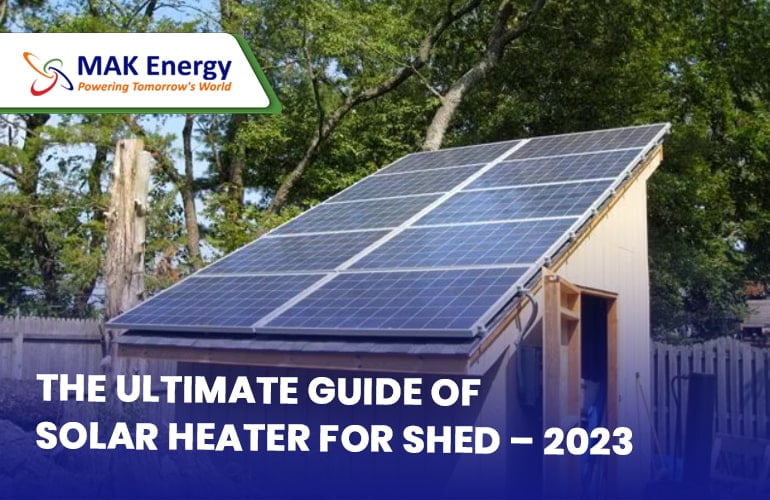
A solar powered heater for a shed is becoming a popular solution across the UK in 2026 as homeowners convert sheds into workshops, home offices, gyms, and relaxation spaces. Rising electricity prices and improvements in small-scale solar technology are encouraging more people to power garden buildings with renewable energy.
This complete guide by Mak Energy explains how Solar Powered Heater for Shed works, the best heating options, expected costs, and important factors to consider before installation.
Can You Heat a Shed with Solar Power?
Yes, it is possible to heat a shed using solar power, but the system must be properly sized. Solar-powered shed systems typically use solar panels to generate electricity, which then powers electric heaters directly or charges batteries for later use.
However, heating requires significantly more energy than lighting or charging devices, especially during UK winters. Many experts recommend combining good insulation with efficient low-wattage heating solutions.
How a Solar Powered Shed Heater Works
A typical system includes:
- Solar panels
- Charge controller
- Battery storage
- Inverter
- Electric heater or thermal heater
During daylight hours, the solar panels generate electricity. Excess power can be stored in batteries for evening heating or cloudy weather conditions.
Some newer UK systems also use plug-in solar kits for smaller shed setups.
Best Types of Solar Powered Heaters for Sheds
Infrared Heaters
Infrared heaters are one of the best options for UK sheds because they heat people and objects directly instead of heating cold air.
Benefits include:
- Fast warmth
- Lower energy usage
- Good for draughty sheds
- Quiet operation
Infrared systems work especially well in insulated garden offices and workshops.
Oil-Filled Radiators
Oil-filled heaters provide steady background heat and retain warmth longer after power is switched off.
Best for:
- Home office sheds
- Medium-sized insulated sheds
- Long working sessions
They generally consume less energy than fan heaters over time.
Tubular Heaters
Tubular heaters are designed mainly for frost protection rather than strong heating.
They are ideal for:
- Small storage sheds
- Preventing condensation
- Protecting tools and equipment during winter
Solar Air Heaters
Solar air heaters use sunlight directly to warm air without converting it into electricity.
Advantages include:
- Lower running costs
- Simple operation
- Good daytime heating performance
These systems are often used in DIY solar heating projects.
How Many Solar Panels Are Needed?
The number of panels depends on:
- Shed size
- Heater wattage
- Insulation quality
- Battery capacity
- Daily heating hours
General examples:
- Small insulated shed → 400W–800W solar setup
- Medium workshop → 800W–1500W system
- Large office shed → 2kW+ system with batteries
Industry estimates show even basic workshop-style shed systems often require at least 100–200W solar panels plus battery storage for lighting and small tools.
Importance of Shed Insulation
Insulation is one of the most important parts of any solar shed heating system.
Without proper insulation:
- Heat escapes quickly
- Battery usage increases
- Solar heating becomes less practical
Reddit discussions from UK shed owners consistently highlight that insulated sheds perform dramatically better during winter.
For best results, insulate:
- Walls
- Roof
- Floor
- Windows and doors
Typical Cost of a Solar Powered Shed Heater UK (2026)
Approximate 2026 UK costs include:
| System Type | Estimated Cost |
|---|---|
| Basic solar lighting + small heater | £200 – £500 |
| Medium insulated workshop system | £600 – £1,500 |
| Full solar office shed setup | £2,000 – £5,000+ |
Costs vary depending on:
- Battery storage size
- Solar panel quality
- Heater type
- Installation complexity
DIY systems are cheaper, while professionally installed systems provide better safety and reliability.
Plug-In Solar Systems for Sheds
One of the biggest UK solar trends in 2026 is plug-in solar systems. These small systems allow users to install low-power solar panels on sheds or garages and plug them into standard sockets.
Benefits include:
- Easier installation
- Lower cost
- No major roof work
- Suitable for small garden buildings
However, these systems are generally better for lighting and light electrical loads rather than heavy heating.
Common Mistakes to Avoid
Many shed owners underestimate how much energy heating requires.
Common mistakes include:
- Using poor insulation
- Choosing undersized batteries
- Expecting small solar kits to run large heaters
- Installing low-quality inverters
- Ignoring winter sunlight limitations
Recent Reddit discussions frequently warn that space heating consumes far more electricity than most off-grid solar users expect.
Mak Energy Expert Advice
Mak Energy recommends:
- Prioritising insulation before increasing solar size
- Using low-wattage efficient heaters
- Combining solar with battery storage
- Choosing professional installation for larger systems
- Using infrared or tubular heating where possible
For year-round shed use, combining efficient insulation with smart solar design delivers the best long-term results.
Final Thoughts
A solar powered heater for a shed can be an effective and energy-efficient solution in the UK when paired with proper insulation and correctly sized solar systems. While fully off-grid electric heating remains challenging during winter, modern solar technology and battery storage make small-scale shed heating more practical than ever in 2026.
With the right setup, homeowners can create warm, comfortable garden offices, workshops, and hobby spaces while reducing electricity costs and reliance on the grid.