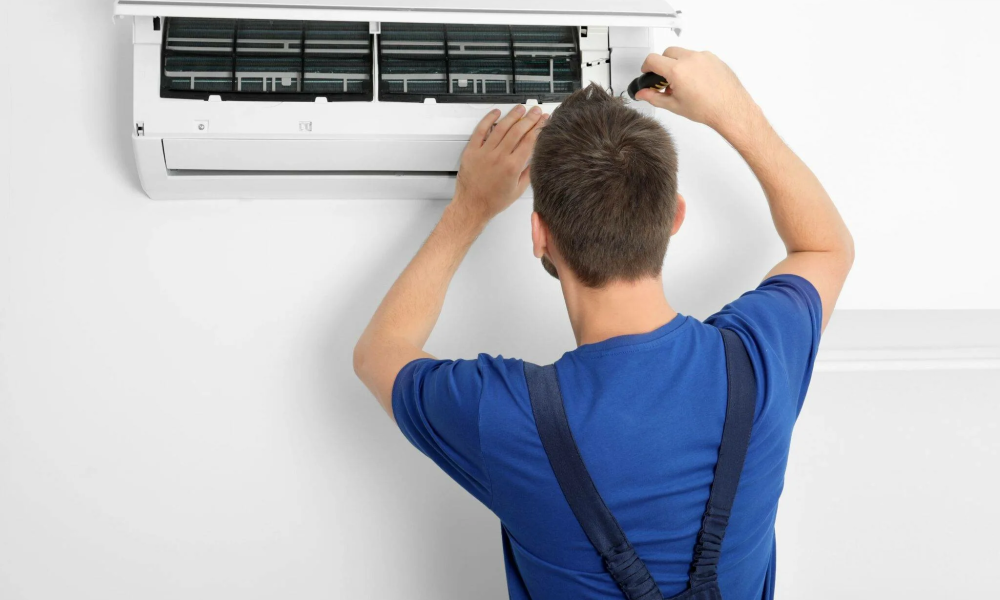
Investing in a new central cooling system is a significant decision that impacts your household comfort and monthly utility expenses for over a decade. Many property owners rush into this process during a heatwave without evaluating crucial variables like equipment sizing, energy ratings, and ventilation layout integrity. Selecting an inappropriate unit leads to short-cycling, hot spots, and premature compressor failure. Fortunately, these operational headaches are entirely avoidable if you understand what a proper replacement involves before the machinery arrives. Our family-owned team at Mountain Breeze Heating has spent decades guiding local families through this transition with honest advice and skilled craftsmanship. Educating yourself on the essentials of modern climate equipment helps you choose a setup tailored to your property. Consulting with a certified technician for a personalized ac installation denver evaluation ensures your new cooling system operates at peak reliability through the changing seasons.
The Critical Need for Accurate Load Calculations
Many individuals mistakenly believe that purchasing the largest available cooling unit guarantees a colder, more comfortable home. In the heating and cooling industry, oversized machinery is actually a major liability. When a cooling unit possesses too much capacity for a property, it lowers the temperature too quickly and shuts down before completing a full operational cycle.
This rapid cycling behavior strains the starter capacitors, spikes your electric bills, and fails to remove humidity from the living spaces, leaving your indoor environment feeling damp and clammy. Conversely, an undersized unit runs continuously without ever reaching your target thermostat setting, accelerating mechanical wear on the fan bearings. Professional contractors determine the perfect equipment capacity by executing a formal calculation that accounts for your exact square footage, exterior wall orientation, window properties, and local weather patterns.
Decoding Energy Efficiency Ratings and SEER2
Modern cooling equipment is built under strict federal efficiency guidelines known as SEER2, which stands for the Seasonal Energy Efficiency Ratio 2. This mathematical value measures the total cooling output of the machinery relative to the total electrical energy it consumes over a typical operating season. A higher number indicates a more efficient machine that requires less electricity to keep your home cool.
While high-efficiency equipment carries a larger initial purchase price, it provides substantial long-term financial returns through diminished monthly power statements. Property owners must weigh their immediate equipment budget against these predictable monthly utility savings. In moderate climates, a mid-tier rating often provides the ideal balance of upfront affordability and ongoing operational economy, while exceptionally hot regions benefit from the highest available efficiency levels.
Assessing and Sealing the Existing Duct Network
Your central air conditioner relies on a hidden network of metal or flexible pipes to distribute conditioned air uniformly throughout your home. If you hook a brand-new, high-performance cooling unit up to a deteriorating or leaky duct system, you waste a significant portion of its capabilities. Small structural gaps, unsealed joints, and crushed duct runs allow treated air to escape straight into unconditioned spaces like your attic or crawlway.
Before any machinery installation takes place, a technical evaluation of your current air delivery infrastructure is vital. Technicians examine the static pressure within the vents to ensure the pipes can handle the airflow velocity of a modern system. Sealing open joints with specialized mastic compounds prevents dust and insulation fibers from being drawn into your breathing supply, maximizing both system performance and indoor air purity.
Understanding the Variety of Equipment Configurations
Residential cooling technology has evolved past the traditional standard split system design. Homeowners now have access to diverse mechanical configurations tailored to different structural layouts and lifestyle preferences:
- Traditional Split Systems: This common setup combines an indoor evaporator coil mounted on your furnace with an outdoor condenser unit, utilizing your existing ductwork to move the conditioned air.
- Heat Pump Technology: These advanced dual-direction systems provide high-efficiency cooling during the summer months and reverse their operation to deliver reliable indoor warmth throughout the winter season.
- Ductless Mini-Splits: Perfect for properties lacking traditional ventilation pipes, these systems utilize small, wall-mounted air handlers linked directly to an outdoor compressor, allowing you to regulate temperatures in individual rooms independently.
- Variable-Speed Systems: Unlike traditional single-stage units that run either at full speed or completely off, variable-speed machinery adjusts its motor output continuously to match the precise cooling demand, maintaining perfectly steady temperatures.
Preparing Your Property for the Installation Day
A standard residential replacement project typically requires an experienced technical crew between four and eight hours to complete safely. To help the process proceed smoothly, homeowners should take a few simple organizational steps around the property before the service team arrives.
Clear a wide path through your basement, utility closet, or utility room so the installers can carry the heavy indoor components and sheet metal materials without obstruction. Outdoors, ensure the designated installation pad is free of tall weeds, overgrown bushes, or stored lawn equipment, providing the technicians with a safe, clear workspace. If you have household pets, keeping them secured in a quiet room away from the workspace prevents accidental escapes while doors are open during the equipment transfer.
Securing Long-Term Value through Professional Execution
While searching for internet deals on wholesale cooling hardware can be tempting, purchasing a system without professional alignment is a risky choice. Major HVAC manufacturers require documented installation by a licensed mechanical contractor to honor their multi-year parts warranties. Mistakes made during a self-installation can easily void these essential financial protections.
Entrusting your property comfort to certified technical specialists guarantees that every electrical line, gas connection, and refrigerant charge meets stringent local building safety guidelines. Legitimate mechanical companies handle the permitting process, perform post-installation testing, and stand behind their workmanship with dedicated labor guarantees. Taking a thorough, structured approach to your equipment selection keeps your household safe, secures your long-term comfort, and protects your home investment for many years to come.