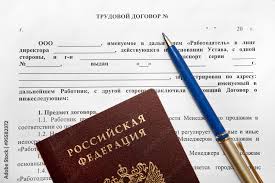
Quick answer: To protect your rights as an expat in Russia, ensure your employment contract explicitly covers your salary in rubles, health insurance details, termination clauses, and paid leave as mandated by the Russian Labor Code. Always request a bilingual contract so you fully understand every term before signing.
Moving abroad for a new job is a massive step. Navigating foreign employment law can feel overwhelming, especially when legal documents are presented in a different language. If you plan to take up a job in Moscow, St. Petersburg, or anywhere else in the country, understanding the fine print of your job contract is critical. You need to know exactly what you are agreeing to so you can avoid unpleasant surprises later on.
Expat rights are generally protected by local legislation, but the burden often falls on the employee to ensure the written agreement reflects those legal standards. This guide explains how to secure your rights, what clauses to watch out for, and how the local legislation applies to foreign professionals. By knowing what to look for, you can sign your documents with confidence and focus on building your new life.
Essential things to know when you Work In Russia
The Russian Labor Code governs all employment relationships in the country, including those involving foreigners who Work In Russia. This legal framework is surprisingly protective of employees, but only if your employment contract strictly adheres to its rules. Employers must provide a written contract within three days of you starting your job.
One of the most crucial elements to verify is that your salary is stated in Russian Rubles. While you might negotiate your pay based on USD or Euros, local employment law dictates that the official contract must list the compensation in the national currency. You should also ensure that the contract specifies your exact job title, workplace location, and a detailed description of your duties. If your employer tries to give you a vague job description, ask them to clarify it. Vague descriptions can sometimes be used to force employees into doing tasks outside their original agreement.
Additionally, standard working hours are capped at 40 hours per week. Any overtime must be mutually agreed upon and compensated at a higher rate. Make sure your job contract clearly outlines the expectations for your daily schedule and how any extra hours will be tracked and paid.
Exploring alternatives: getting a Work visa In Romania
Sometimes, expats exploring Eastern Europe compare multiple destinations before settling down. For instance, if the bureaucratic hurdles of your current destination seem too steep, you might consider alternatives like getting a work visa in Romania. Romania has become a popular hub for IT and engineering professionals, offering a straightforward work permit process for non-EU citizens.
While the specifics of the Romanian system differ, the fundamental rule remains the same across borders: always secure a verified, translated employment contract before applying for your work permit. Comparing the labor codes of different countries can help you understand your baseline expat rights and negotiate better terms wherever you eventually decide to work.
What should be in your Russian employment contract?
A robust contract is your best defense against workplace disputes. When reviewing your paperwork, verify that the following detailed information is present and clearly defined:
Health insurance and medical care
Employers are legally required to provide Voluntary Medical Insurance (VMI) for highly qualified specialists, or you must secure your own before signing. Your contract should explicitly state who is responsible for providing this health coverage.
Paid leave and holidays
The standard minimum paid vacation is 28 calendar days per year. Some professions or locations (like the Far North) offer even more. Check that your contract explicitly mentions your 28 days of paid leave, alongside standard national public holidays.
Probation periods
Probation periods are common but strictly regulated. For most employees, the probation period cannot exceed three months. For executive roles, it can be up to six months. Ensure the contract clearly states the length of this period and the exact salary you will receive during it.
Helpful tips for foreign workers negotiating terms
Negotiating a job contract in a foreign country requires preparation. Here are some actionable tips to help you secure the best possible terms:
- Request a bilingual contract: Never sign a document you cannot read. Ask your employer to provide a contract with side-by-side Russian and English text. In the event of a legal dispute, the Russian text will prevail, so consider hiring an independent translator to verify the accuracy of the translation.
- Clarify termination clauses: Understand exactly how much notice your employer must give before terminating your employment, and how much notice you must give if you decide to resign. The standard resignation notice period is two weeks.
- Confirm severance pay: If you are laid off due to company restructuring or liquidation, the labor code entitles you to severance pay. Ensure your contract does not include illegal waivers of this right.
Final words on securing your expat rights
Relocating for work should be an exciting milestone, not a legal headache. By familiarizing yourself with local employment law and thoroughly reviewing your job contract, you can safeguard your career and your finances. Always advocate for a bilingual document, verify your salary terms, and do not hesitate to consult a local labor lawyer if something seems off. Taking these proactive steps ensures that your professional journey abroad remains secure, allowing you to focus on your new role and your new surroundings.
Frequently asked questions about Russian labor laws
Can my employer pay me in US Dollars or Euros?
No. Under the national labor code, all salaries for employees working within the country must be paid and recorded in Russian Rubles. You can peg your salary to a foreign currency exchange rate, but the actual payout must be in Rubles.
How long can a probation period last for a foreign worker?
For standard positions, the maximum probation period is three months. For management positions, chief accountants, or branch directors, the probation period can be extended up to six months.
Do I need a specific work permit before signing the contract?
Usually, the process requires the employer to draft the contract first, which is then used as a supporting document to apply for your official work permit and subsequent visa. You cannot legally begin working until the permit is fully approved and issued.
What happens if the English and Russian versions of my contract differ?
If there is a discrepancy between the two languages in a bilingual contract, the Russian version is legally binding in local courts. It is highly recommended to have a professional legal translator review the document before you sign it.