
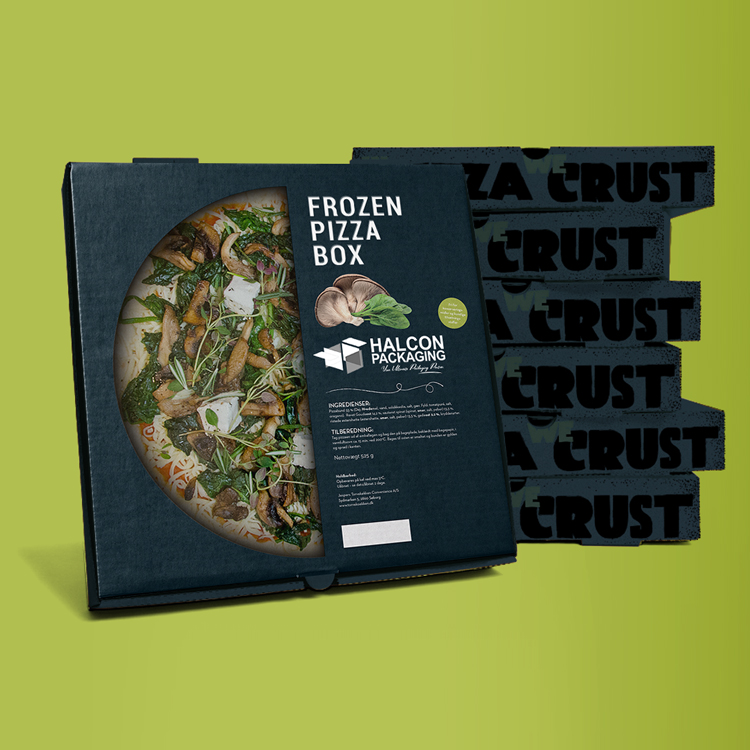
Packaging standards of frozen food brands aiming to obtain protection and high presentation are characterized by custom frozen Pizza Boxes. The strength of materials and structural design decisions determines shelf stability and branding consistency. Packaging of frozen products should be such that they do not spoil in their storage and transportation conditions. Custom frozen Pizza Boxes allow product identification with surface design and printing. The choice of material has an impact on cold storage conditions and distribution handling. The presentation of sustainable products is based on proper sizing and alignment of print quality to branding requirements. Strong packaging structures are required in storage environments to ensure that they are not deformed under pressure. The selling approach has the advantage of standardized packaging, which promotes branding and product protection in supply chains. Customer perception is also influenced by design implementation in retail frozen markets. The choice of packaging is important.
Material Use
The strength and stability in cold storage conditions depend on material composition. Frozen pizza boxes canada with protection criteria determines product shape maintenance during handling. The performance of cold storage is based on how packaging structures are layered and sealed. Compression resistance is influenced by material thickness when stacking is taking place in warehouses. The choice of fiber quality helps in durability in frozen conditions and after prolonged transportation cycles. Surface treatment enhances resistance to moisture and the integrity of the structure over the storage stages. The weak materials cause deformation when pressured and lower the efficiency of protecting the product. Consistency in manufacturing guarantees the same box behavior in freezing conditions. Material innovation is in the process of enhancing the durability, print retention, and structural stability of packaging systems. The selection process of materials is guided by industry standards.
Design Elements
In stores, visual structure has an impact on consumer perception and product recognition. In a cardboard frozen pizza, the strength of the box helps to maintain the shape during storage cycles. Branding clarity and surface readability under lighting conditions are influenced by the printing alignment. The structural folds enhance packing efficiency and minimize the chances of deformation during transit. Space usage and product visibility in shelves are determined by design layout. In competitive markets, surface graphics are an addition to recognition value and customer recall. Corner reinforcement helps ensure durability during the transport and handling processes. Precision in design ensures the same production output per manufacturing batch. The alignment of materials to printing systems influences the quality of the final appearance. Direct influences are on retail presence and the level of consumer engagement, such as the package design choices.
Storage Needs
Storage systems need a consistent stacking environment and controlled temperature. Labeling the visible in printed frozen pizza boxes helps in identification when handling is in storage. The humidity management influences the packaging durability and avoids structural weakening. The limits on stack height minimize the risk of compression and enhance the safety of the warehouse. The cold environment affects the material integrity, with the effect of the duration of storage. Packaging organization influences the airflow and temperature stability in storage units. Closing quality eliminates contamination and protects the products, keeping them safe in storage. Material resilience helps in long-term storage without any problems of deformation. The cold chain requirement affects the packaging performance in the distribution networks. The balance of the structure of packaging and the strength of materials determines storage capacity. Operation planning makes logistics systems have a consistent storage output.
Brand Impact
Brand identity is an indication of the quality of packaging and consistency of visual communications. During disposal assessment, consumer awareness questions are whether you can recycle frozen pizza boxes during disposal. Surface design can affect recognition and brand recall within the retail setting. Brand trust is enhanced through the packaging consistency in multiple exposures to a product. The color schemes influence the quality perception and positioning of the product. Customer satisfaction in the handling of products is affected by structural integrity. Brand message is manifested in packaging surface details and design congruency. The presence in the market is reinforced through the consistent presentation of packaging. Design consistency helps in brand familiarity among the retail outlets. The visuals in packaging strengthen brand positioning in the competitive areas. The loyalty of consumers is based on the delivery of a constant packaging experience. The brand influence is augmented by packaging recognition. The perception of a brand influences purchasing behaviour.
Market Supply
Availability and speed of distribution in markets are determined by supply networks. A bulk production system offers the benefit of supporting Frozen pizza boxes wholesale needs among suppliers. The capacity to manufacture affects the pricing structure and the level of consistency of products. Inventory planning and supply chain responsiveness are influenced by demand cycles. The fulfillment of orders is based on the production schedule and logistics. A saturated market impacts the availability of packages and competition amongst suppliers. The distribution channels regulate the availability of products to various areas. Efficiency in the supply chain affects the delivery schedules and stability in costs. Production planning maintains a stable production to meet market needs. Vendor coordination ensures a continuous flow in terms of packaging within the supply systems. The sourcing of materials influences the continuity of production and market preparedness. The performance of the business is characterized by supply stability. The growth rates of the packaging industry are motivated by the market supply.
Distribution Flow
Distribution systems are used to coordinate the movement of the products within the regions and facilities. The Frozen pizza boxes in the Canadian market are subject to regional shipping standards. Logistics planning provides efficiency in the coordination of deliveries and storage. Transportation paths affect speed and cost control of distribution. Warehouse integration helps in a smooth flow of products among stages. Handling procedures preserve the packaging condition throughout movement procedures. Cold storage transportation involves the maintenance of controlled environments during transportation. The efficiency of distribution influences the responsiveness of the entire market and the reliability of supply. Optimization of routing minimizes delays and enhances the consistency of deliveries. Packaging protection also guarantees the integrity of products in transit. Distribution coordination enhances the efficiency of operations within logistic networks. Leverage- System reliability promotes the constant flow of products. Stability in the supply chain performance is determined by the distribution flow.
Waste Handling
The packaging lifecycle results in industrial systems being affected by waste management practices. Custom printed boxes wholesale, selling clearance deals, are retail surplus handling. The recovery and recycling processes depend on the methods of material disposal. The minimization of warehouse wastes assists in managing costs and optimizing storage. Systems of packaging reuse rely on the material durability and the state. Discarded packaging logistics involves the flow of discarded packaging. Sorting processes classify materials in terms of structural quality levels. Recovery systems help to reintegrate materials into production cycles. Waste tracking enhances awareness of operations and system efficiency. The breakdown of materials is determined by the environmental exposure and handling conditions. Recycling of packaging will also improve the use of resources in production cycles. Packaging waste is controlled by disposal systems. The efficiency of industries is determined by waste management.
Conclusion
The performance results in the frozen food industry are influenced by packaging systems. Frozen Supply chains involve the use of custom frozen Pizza Boxes to protect the products. Brand identity is based on the consistency of packaging and alignment in the visual structure. The choice of materials determines the stability of storage and the durability of transportation. The performance of retail is determined by the quality of packaging and presentation. Products need to be distributed through a consistent packaging output in the market systems. In a retail setting, design integrity influences customer perception. Packaging is efficient and contributes to the growth of the business and consistency in operations. Storage factors affect the durability of packaging in supply chains. Packaging design has been focused on product protection. Long-term market reliability outcomes standards are influenced by industry packaging systems.

